Tokyo Neighborhoods

Asakusa

Some Tokyo neighborhoods reveal themselves slowly. Asakusa does not. It arrives immediately: the giant red lantern at Kaminarimon, the pull of Nakamise, temple smoke drifting upward, rickshaws waiting at the curb, the Sumida River opening out to the sky. It is one of Tokyo’s most famous places, yet it still manages to feel inhabited rather than decorative.

Come here for Senso-ji, downtown energy, river walks, old shopping streets, temple ritual, kitchen-tool treasure hunting, and a version of Tokyo that still remembers Edo.

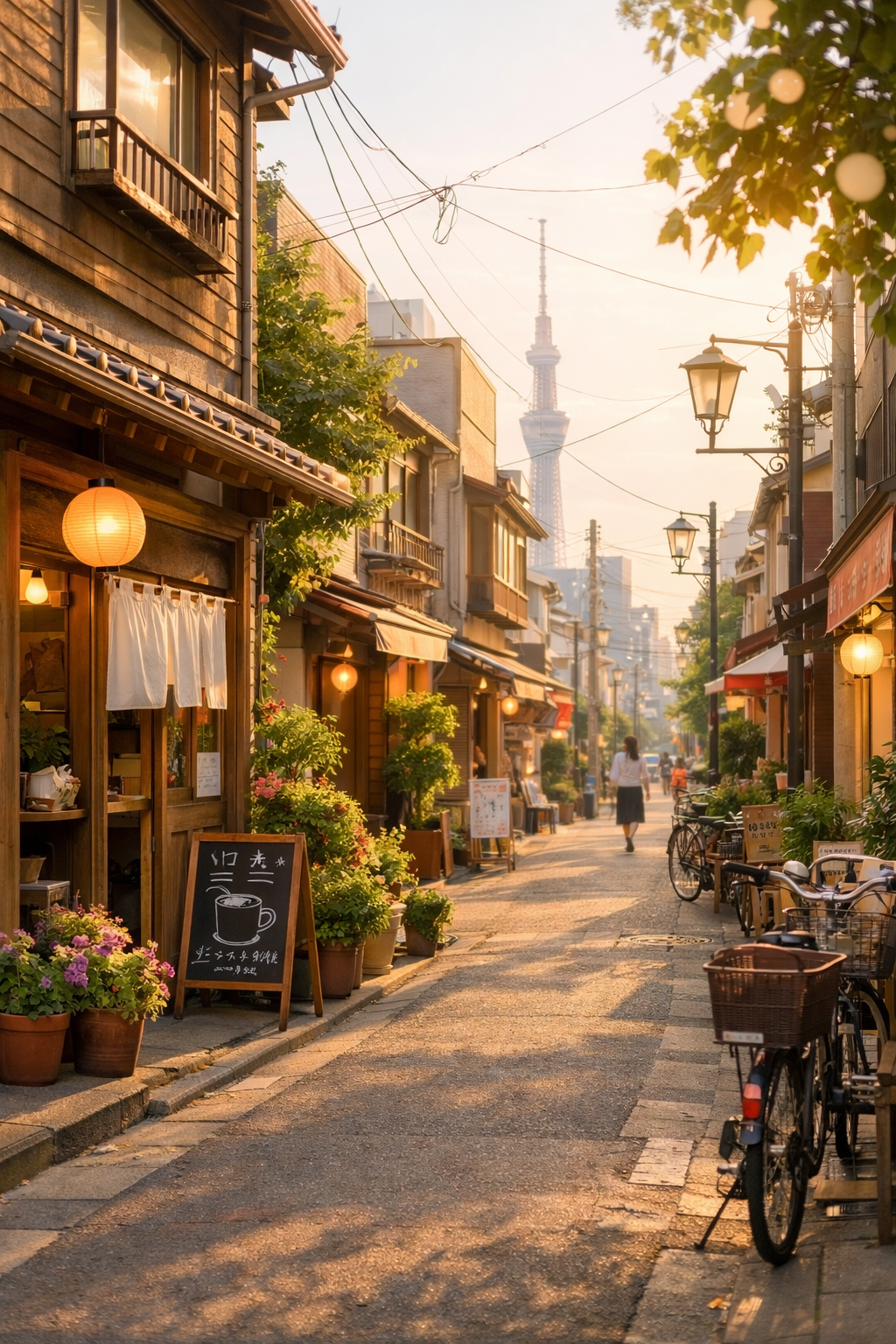
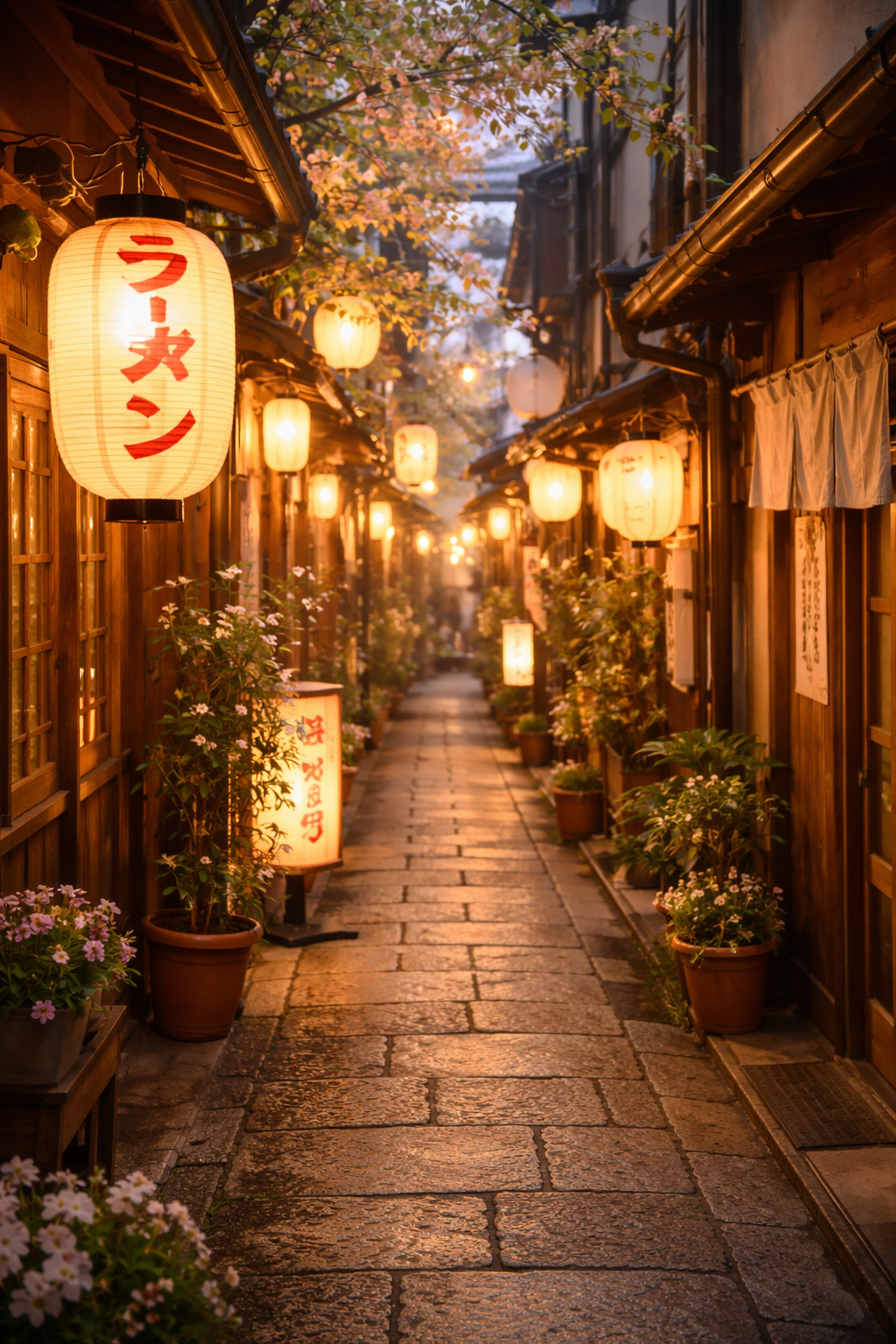
A lantern-lit Tokyo street that evokes old downtown Asakusa atmosphere
Asakusa is iconic for a reason, but it is best when you let it be more than the famous photo.
Best for first-time Tokyo visitors, old-downtown atmosphere, temple visits, snack streets, river views, and slow wandering with strong visual payoff
Don’t stop at Kaminarimon alone; the neighborhood gets much better once you move beyond the obvious front gate moment
Why Asakusa matters

This is one of the clearest places to feel Tokyo’s continuity, not just its speed.

Asakusa centers on Senso-ji, the oldest temple in Tokyo, and has long been associated with pilgrimage, commerce, entertainment, and the sturdy energy of the city’s traditional downtown. It is one of those rare places where religion, tourism, shopping, street food, and everyday neighborhood life still sit very close together.

That closeness is part of what makes the area so compelling. Yes, it is busy. Yes, it is photographed constantly. But Asakusa still has rhythm. Turn off the main path and you find side lanes, old facades, quieter temple edges, river air, and the feeling that the neighborhood is larger and more interesting than its postcard image.

What kind of day is Asakusa good for?
A first Tokyo day, a classic sightseeing day, or a slower half-day if you want history, food, and atmosphere without leaving one area.
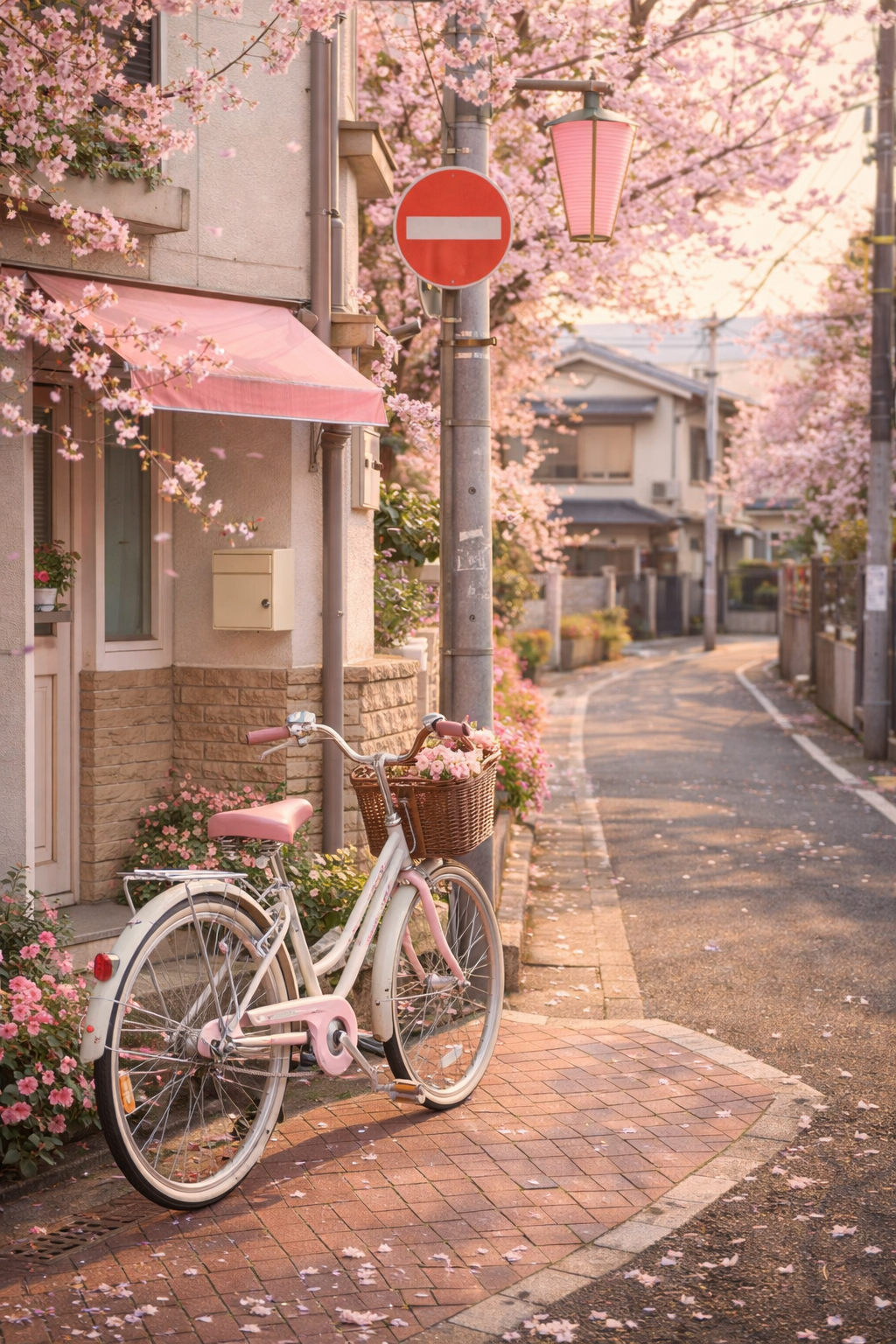
A soft Tokyo street scene suited to old-downtown walking
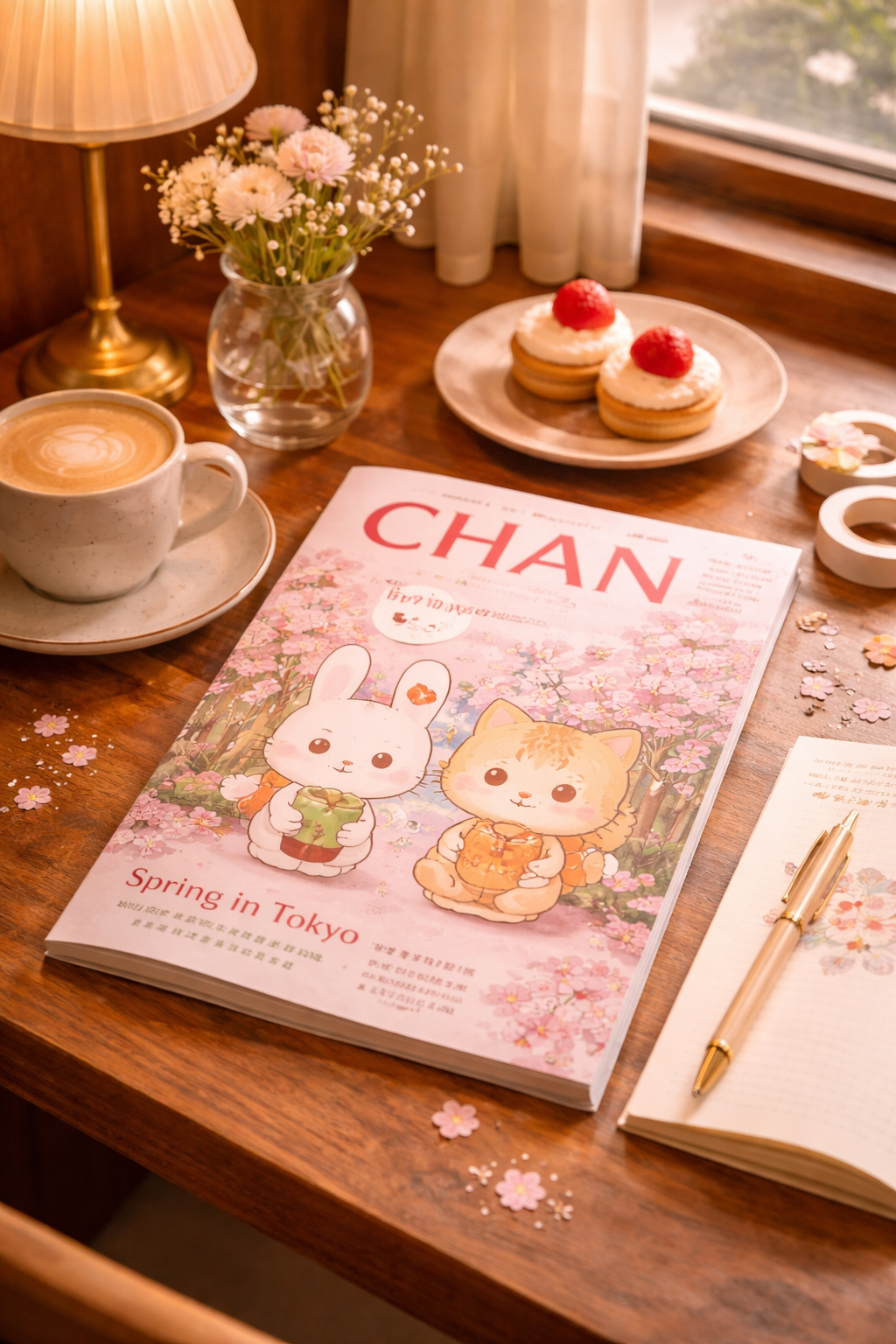
A calm editorial table scene suited to planning an Asakusa day
Editor’s picks

Seven stops that give Asakusa depth, not just famous views

The neighborhood works best as a sequence: gate, street, temple, side lane, river, coffee, then something a little unexpected.

A lantern-lit street scene that evokes Kaminarimon and old downtown Tokyo
Iconic entrance

Kaminarimon

The huge red lantern is one of Tokyo’s most over-photographed sights, and still worth it. Treat it as a threshold rather than a destination: it marks the beginning of Asakusa, not the whole of it.

Why it works: immediate visual impact and the clearest symbolic gateway into the district.
Location: 2-3-1 Asakusa, Taito-ku, Tokyo area
Reference: Senso-ji guide: Kaminarimon
A detailed shopping scene suited to Nakamise Street
Main street

Nakamise Shopping Street

Between Kaminarimon and the temple, this long approach is lined with snacks, sweets, souvenirs, and the kind of old-commercial energy that still feels distinctly Tokyo.

Why it works: atmosphere, street snacks, traditional gift shopping, and the ritual pleasure of approaching the temple on foot.
Location: approach to Senso-ji, Asakusa, Taito-ku, Tokyo
Reference: GO TOKYO: Asakusa
A calm Tokyo street scene suited to Senso-ji Temple grounds
Temple core

Senso-ji

Tokyo’s oldest temple remains the spiritual center of the neighborhood. The main hall, incense, pagoda, side courts, and constant movement of visitors create a setting that is both monumental and very human.

Why it works: architectural scale, ritual atmosphere, and one of the city’s strongest links to older Tokyo.
Address: 2-3-1 Asakusa, Taito-ku, Tokyo
Website: senso-ji.jp/english
A teacup by a window, suited to an Asakusa cafe stop
Classic cafe

Asakusa Culture Tourist Information Center + nearby cafe pause

Before or after the temple, it is worth climbing for the view and then stepping off for coffee nearby. The district becomes easier to read once you have seen its layout and then slowed down again.

Why it works: a quick orientation point, strong photo angle, and a sensible way to reset your pace.
Address: 2-18-9 Kaminarimon, Taito-ku, Tokyo
Website: Asakusa Culture Tourist Information Center
A neighborhood corner suited to side-lane walking in Asakusa
Walk beyond the obvious

Asakusa side streets

The district improves quickly once you step away from the direct temple axis. Smaller lanes, local shops, bits of old storefront geometry, and quieter residential edges give the area its real texture.

Why it works: lower pressure, better street photography, and a stronger sense of Asakusa as neighborhood rather than set piece.
Reference: GO TOKYO: Explore Asakusa
A river-and-evening mood suited to the Sumida River near Asakusa
River edge

Sumida River Walk

The river gives Asakusa air. After the density of temple streets, the embankment and bridges provide release, wider views, and one of the neighborhood’s best late-afternoon transitions.

Why it works: skyline contrast, breathing room, and a good way to stretch the visit into evening.
Reference: GO TOKYO: Asakusa
Japanese tools and objects suited to Kappabashi shopping
Nearby detour

Kappabashi Tool Town

A short walk away, Kappabashi is one of Tokyo’s great specialist streets: kitchen knives, ceramics, tableware, fake food displays, coffee tools, and restaurant supplies. It is one of the smartest ways to extend an Asakusa day.

Address: 3-18-2 Matsugaya, Taito-ku, Tokyo area (association office)
Why it works: intensely Tokyo retail specificity, good browsing, and excellent gift or design-hunter energy.
Website: kappabashi.or.jp/en

Asakusa is not subtle, but it is deeper than it first appears. The trick is to keep walking after the famous photograph.

How to do Asakusa well

Come early, or stay later

Midday brings the heaviest concentration of people. If you want the neighborhood to feel more generous, arrive earlier, or let the day drift into late afternoon and evening. Asakusa gains elegance when it is not only crowded.

  • Start at Kaminarimon, but do not finish there
  • Walk Nakamise once, then find a side lane
  • Give the temple grounds at least one slower pass
  • Add coffee or sweets to reset the pace
  • Use Kappabashi or the river as your second act
Who Asakusa suits best

This is especially good for travelers who want Tokyo’s icons without giving up neighborhood feeling

Asakusa can satisfy a first-time visitor and a slower traveler at the same time, if you give it enough room.

  • First-time Tokyo visitors who want somewhere classic and legible
  • Travelers interested in temples, ritual, and older city texture
  • Families who want strong visual payoff without too much transit
  • Shoppers who like food, tools, ceramics, and traditional souvenirs
  • Photographers who know the side streets matter as much as the gate
Pair your Asakusa walk with

Three easy ways to shape the day

Asakusa is strongest when it becomes more than a stop-and-photo neighborhood.

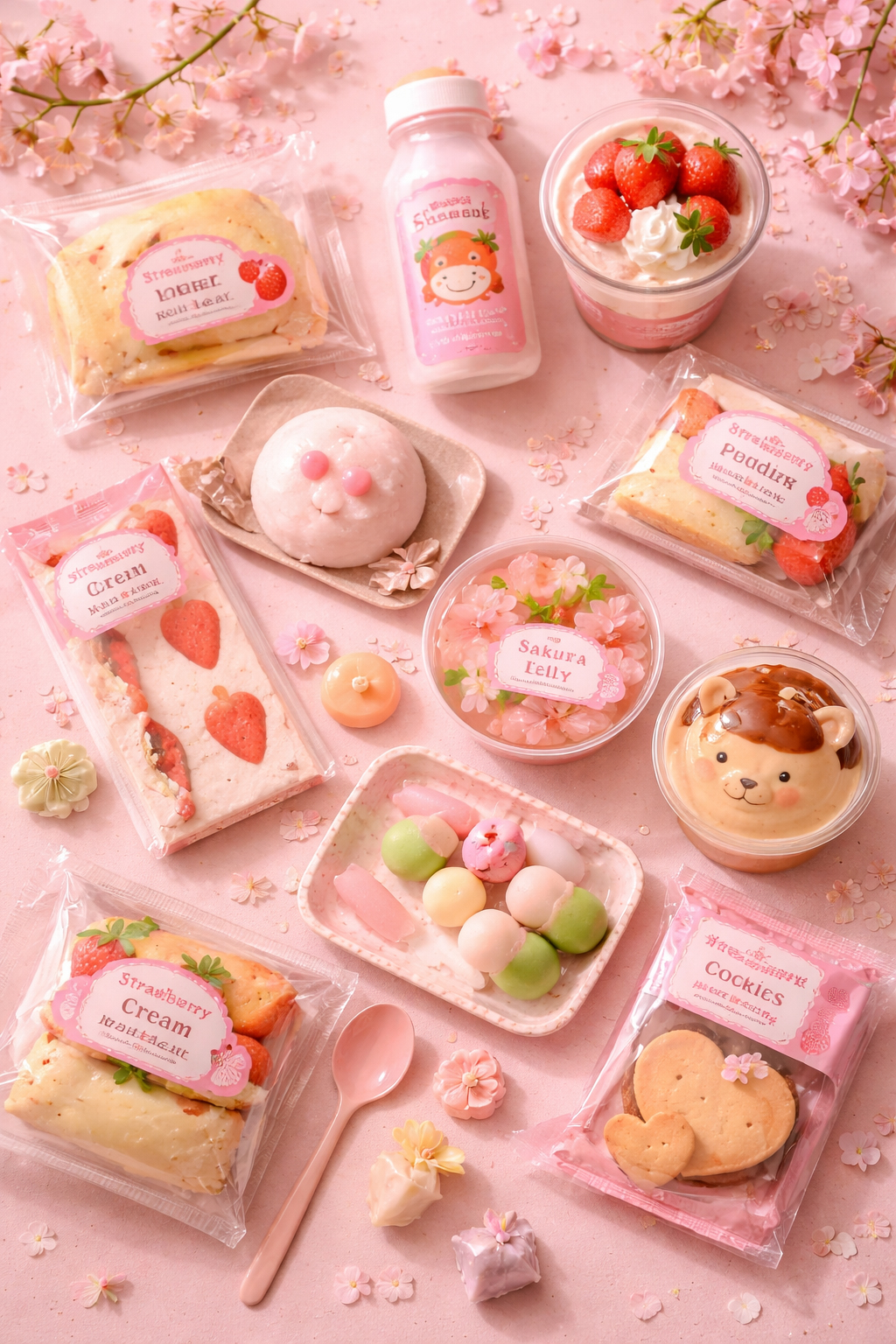
Tokyo sweets to pair with an Asakusa walk
After the temple

Try snacks, sweets, or a quieter sit-down stop

Nakamise is good for grazing, but the neighborhood is better if you also give yourself one proper seated pause.

Japanese tools and beautiful objects after an Asakusa visit
For browsing

Walk to Kappabashi for tools, ceramics, and design-minded shopping

It is one of Tokyo’s best specialist-shopping extensions and a good counterpoint to the temple district.

A soft Tokyo evening after an Asakusa day
If you stay later

Let the neighborhood change after dark

Night gives Asakusa another register: quieter shutters, lit temple grounds, and a more spacious-feeling river edge.

A soft evening mood that suits Asakusa’s older Tokyo atmosphere
Closing note

Asakusa is one of Tokyo’s great introductions, but it is also one of its better second looks.

The gate, the lantern, the temple, the shopping street: those are the reasons people come. The side lanes, the river air, the quieter stops, and the lingering sense of old downtown life are why the neighborhood stays with them.