
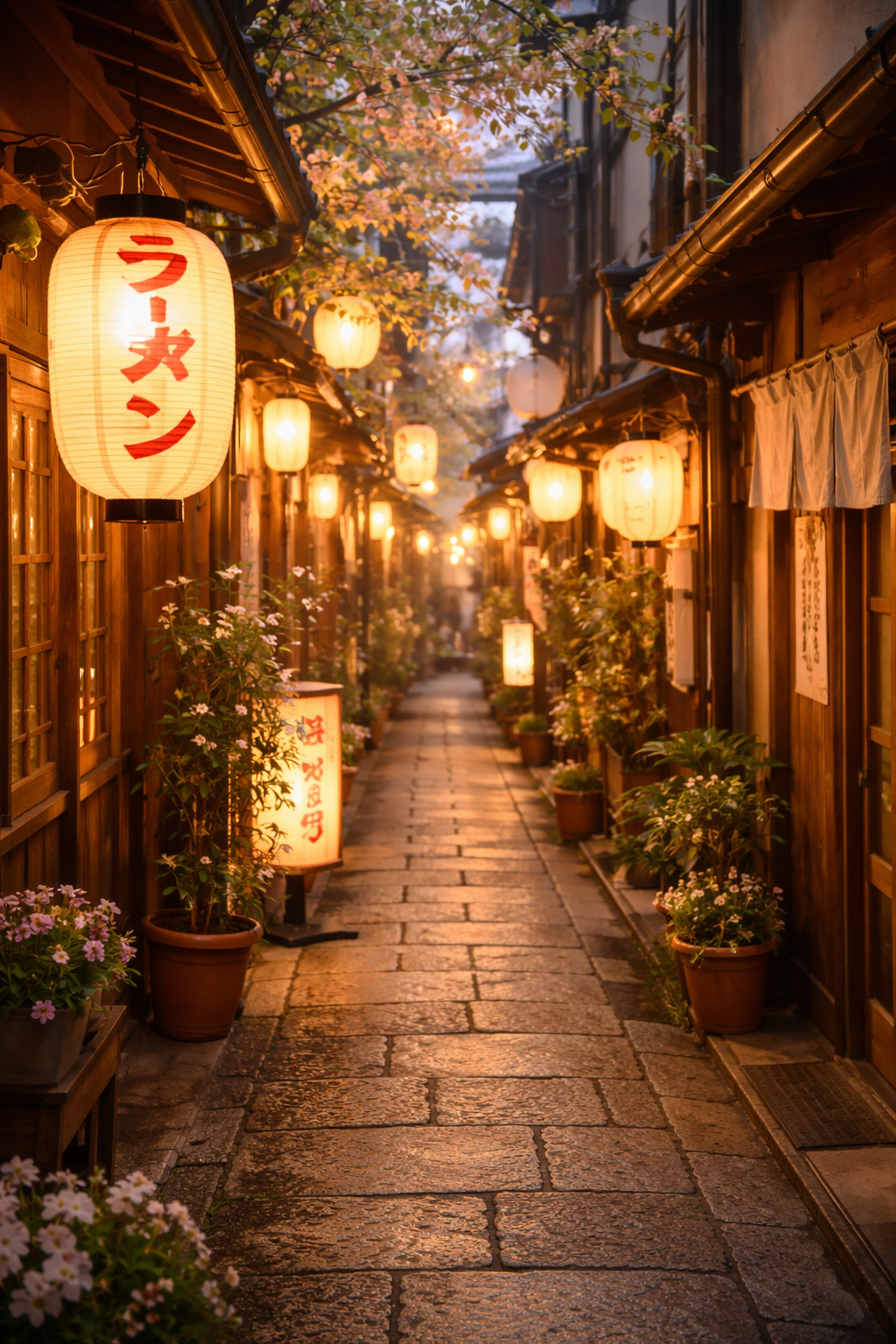
Classic Tokyo
Asakusa
Temple gates, old shopping streets, river air, street snacks, and one of the clearest introductions to Tokyo’s older downtown mood.
Read the guideTokyo is not one city in one tone. It is a collection of different urban moods that happen to share a train map. A temple district and a fashion boulevard can both be entirely Tokyo. So can a park neighborhood, an old shopping street, a polished cafe area, or a side-lane quarter that feels more personal than famous.
This section gathers our English neighborhood guides to the city: old Tokyo streets, fashion districts, elegant avenues, park-centered districts, shrine calm, shopping lanes, cafes, and the places where daily life feels most visible.
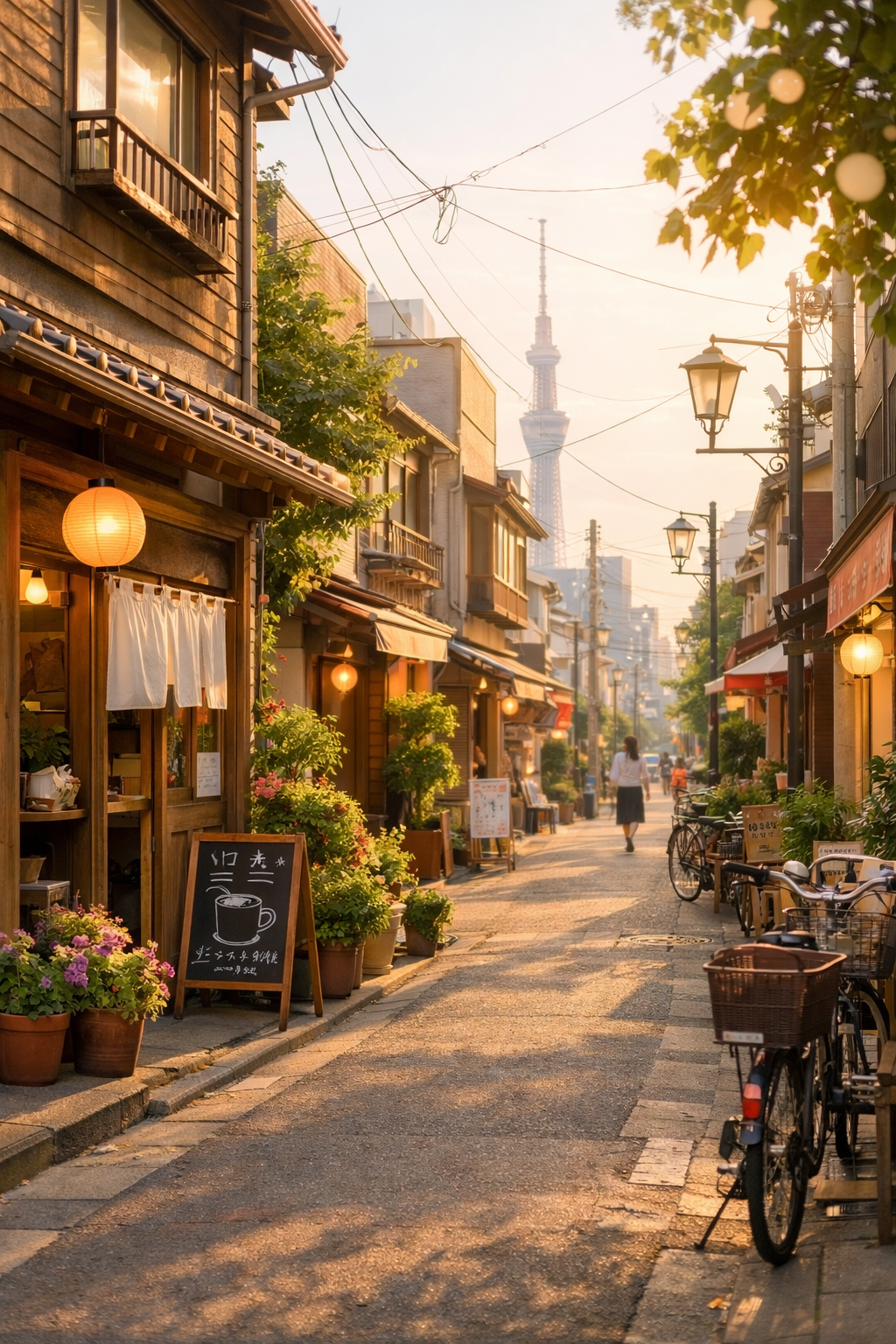
A city this large can become abstract very quickly. Neighborhoods solve that. They give scale, rhythm, and coherence to the day. They let you choose whether you want old downtown streets, polished design, youth fashion, a park-centered afternoon, shrine quiet, or a district where shopping and coffee feel more important than monuments.
That is how this section is organized. These are not just attraction lists. They are neighborhood moods: places with a distinct walking pace, a distinct kind of pleasure, and a different version of Tokyo waiting inside them.
Six ways into Tokyo, depending on the version of the city you want to meet first.
Temple gates, old shopping streets, river air, street snacks, and one of the clearest introductions to Tokyo’s older downtown mood.
Read the guide
Temples, old lanes, retro shopping streets, quiet cafes, small galleries, and one of Tokyo’s gentlest, most absorbent districts.
Read the guide
Fashion, kawaii culture, side streets, sweet snacks, shrine quiet, and one of Tokyo’s sharpest collisions of spectacle and stillness.
Read the guide
Architecture, boutiques, polished side streets, refined cafes, museum calm, and one of Tokyo’s most composed urban landscapes.
Read the guide
Park calm, alley character, shopping streets, classic snacks, easy cafes, and one of Tokyo’s most lovable all-around neighborhoods.
Read the guide
Sweets, side streets, small boutiques, stylish cafes, and a neighborhood that feels polished without becoming loud or exhausting.
Read the guideTokyo becomes less overwhelming once you understand that you are not choosing the city all at once. You are choosing a neighborhood, a pace, and a mood for one day.
The easiest way into the city is often emotional, not logistical.
When you build the day around one district, the city stops feeling like a series of disconnected tasks.
Neighborhoods become more memorable when the day has a little shape around them.
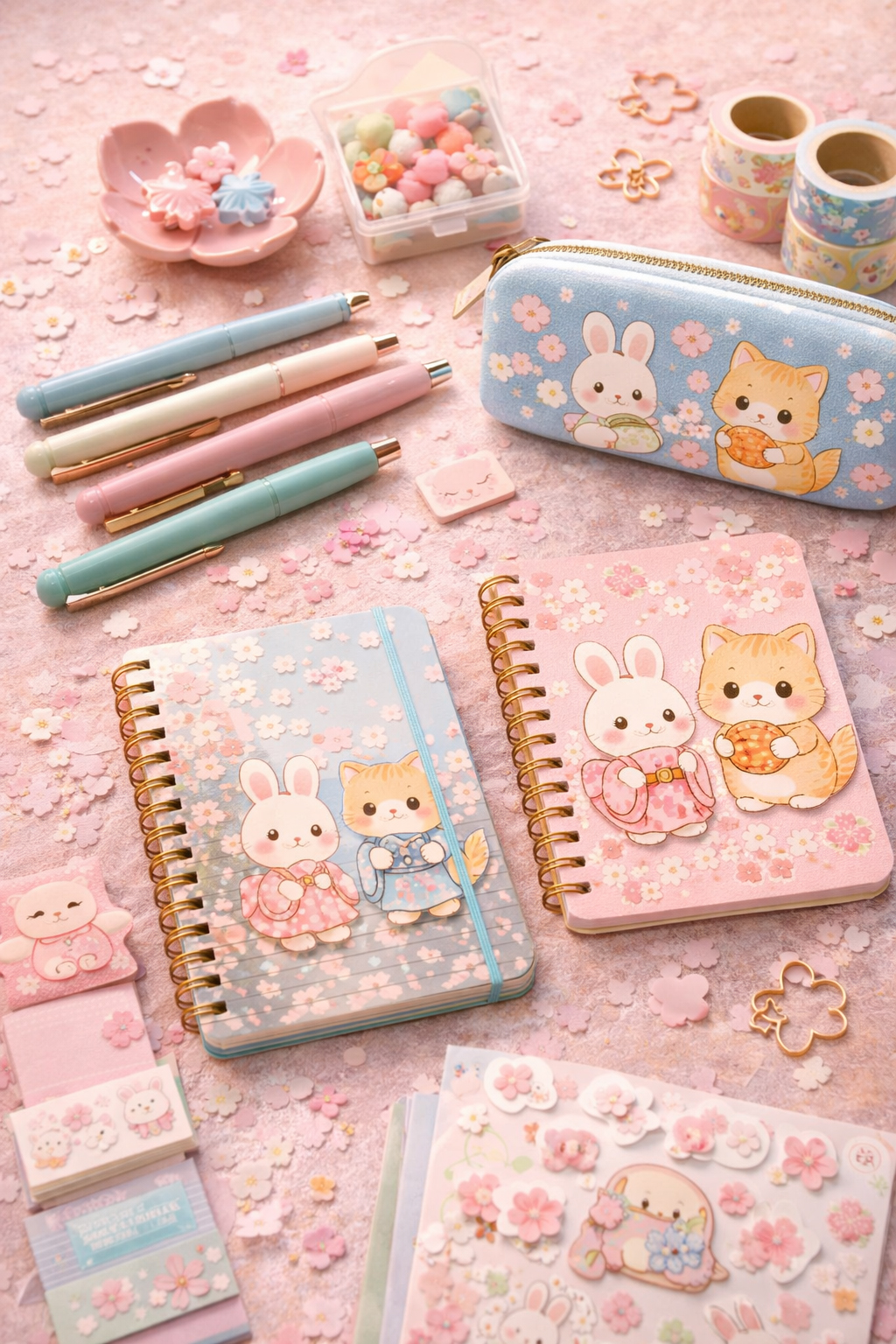
Stationery, ceramics, wrapping, design stores, and local gift shops often tell you as much about a district as its landmarks do.
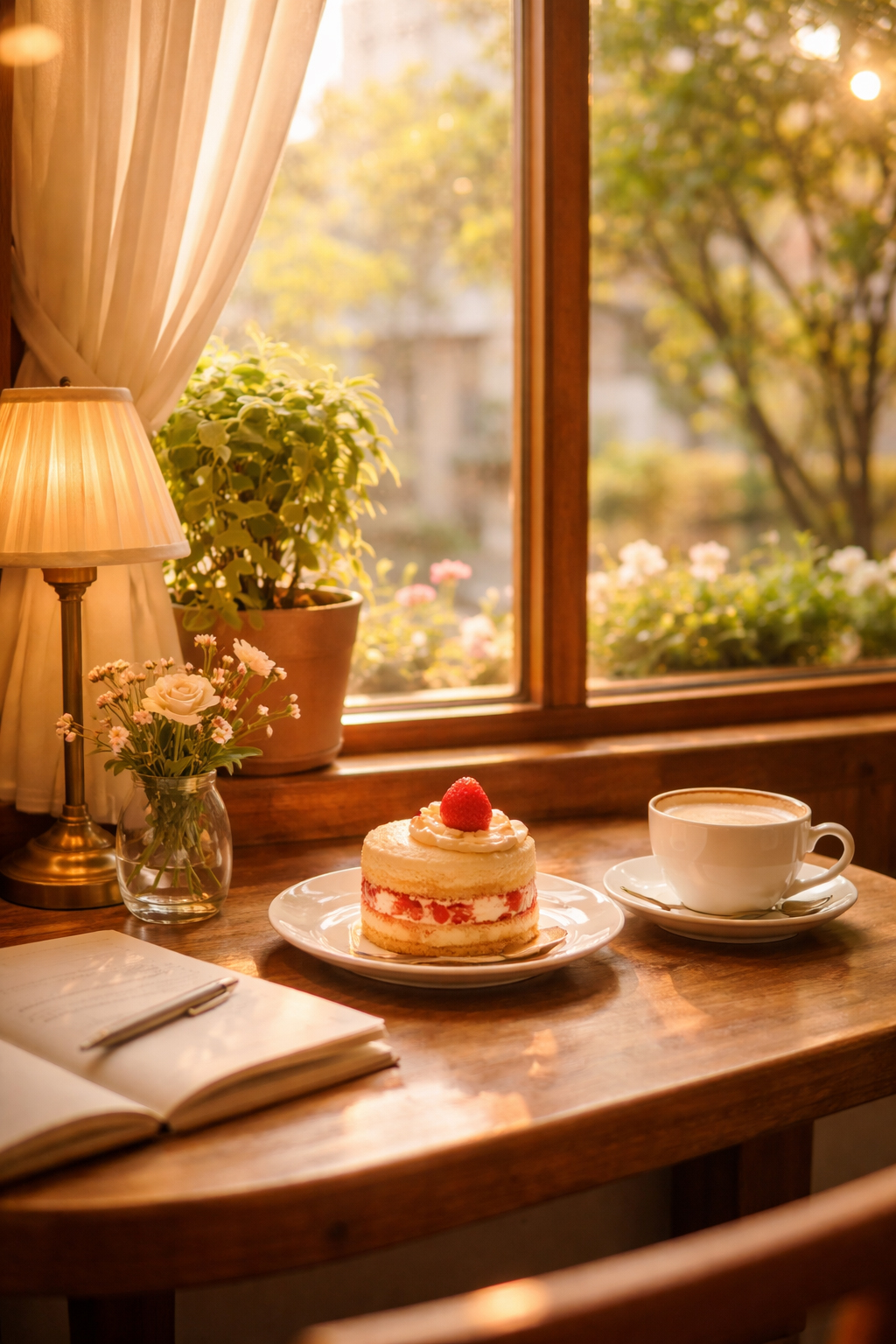
Tokyo neighborhoods often reveal themselves better after you sit down once and let the area settle around you.
Many of Tokyo’s best neighborhoods become more generous in late afternoon or early evening, when the pace softens and the surfaces begin to glow.
A temple district, a fashion street, a boulevard, a park neighborhood, a sweets quarter, an old lane. Each one is only part of the city, but each one can make the city suddenly feel much more legible.