English features

Features

This is where chan.co.jp slows down. Our feature stories go beyond quick lists and practical tips to look at the emotional texture of Tokyo and Japan: the cafés, the seasons, the rain, the stationery, the small rituals, the neighborhoods, and the soft details that stay in memory long after the trip itself.

These pieces are written in our magazine style: long-form, atmosphere-first, and interested not only in where to go, but in how a place feels, why it matters, and what small things reveal about the culture around it.

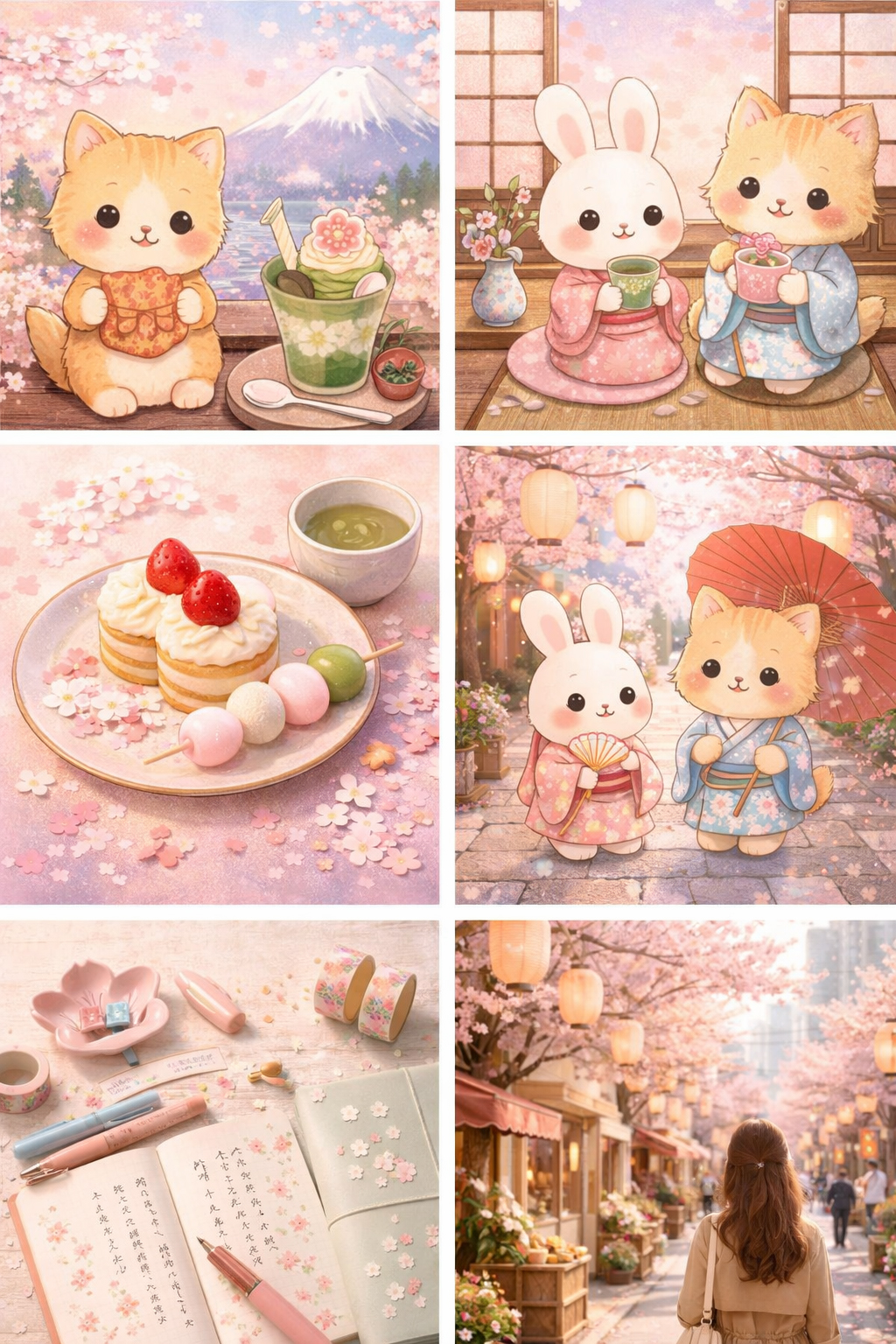
A collage of Tokyo, Japan, kawaii, cafes, seasons, and gentle cultural details
Inside this section Tokyo mood pieces, seasonal essays, cultural features, café stories, neighborhood reflections, and long-form writing about everyday beauty in Japan
Best for readers who want more than information and care about feeling, context, design, rhythm, and emotional atmosphere
What these stories do

They try to explain why Japan lingers in the heart.

Some articles here are about Tokyo specifically. Others widen out into larger questions of Japanese design, seasonality, softness, kawaii, or everyday emotional life. Together they form a kind of editorial map: not only where to go, but how to read what you are seeing once you get there.

Many of these pieces share a common belief: that small things are not small at all. A café spoon, a rainy street, a station melody, a notebook, a flower display, a dessert box, or a quiet side lane can reveal as much about a place as any headline landmark.

Chan-chan note
If chan.co.jp has one editorial habit, it is this: we trust mood, detail, and texture as much as facts and addresses.
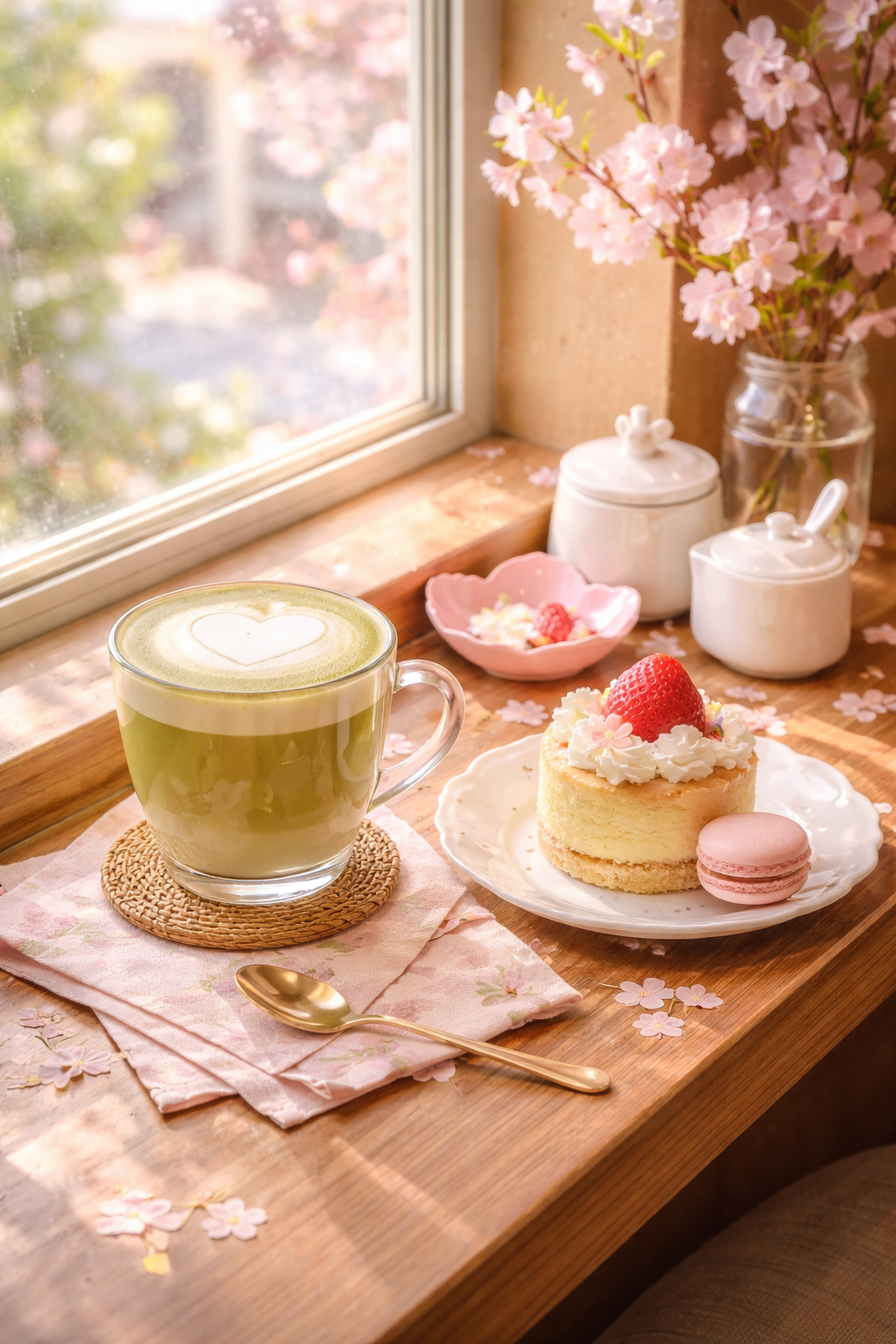
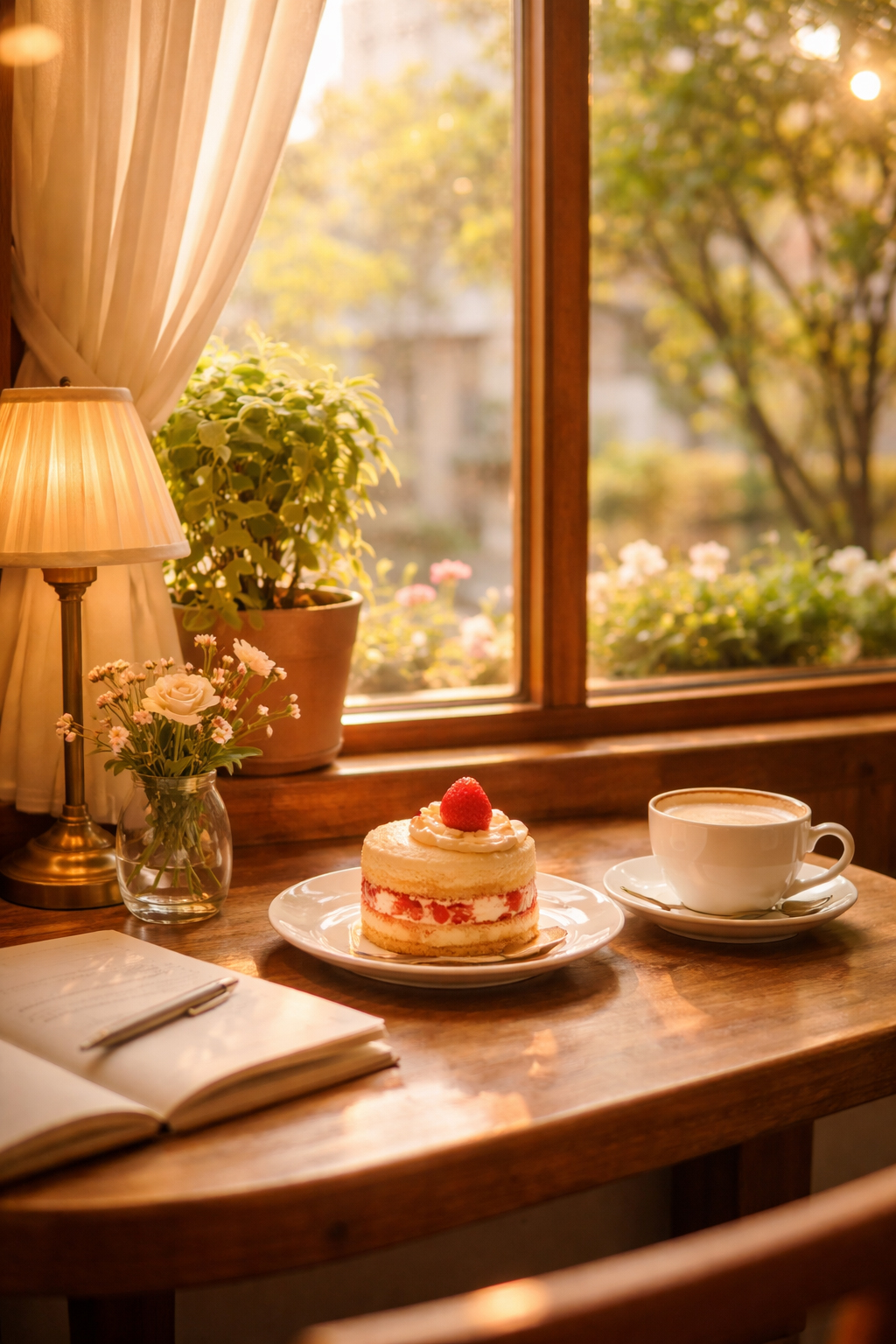
A warm cafe-window light scene in Tokyo
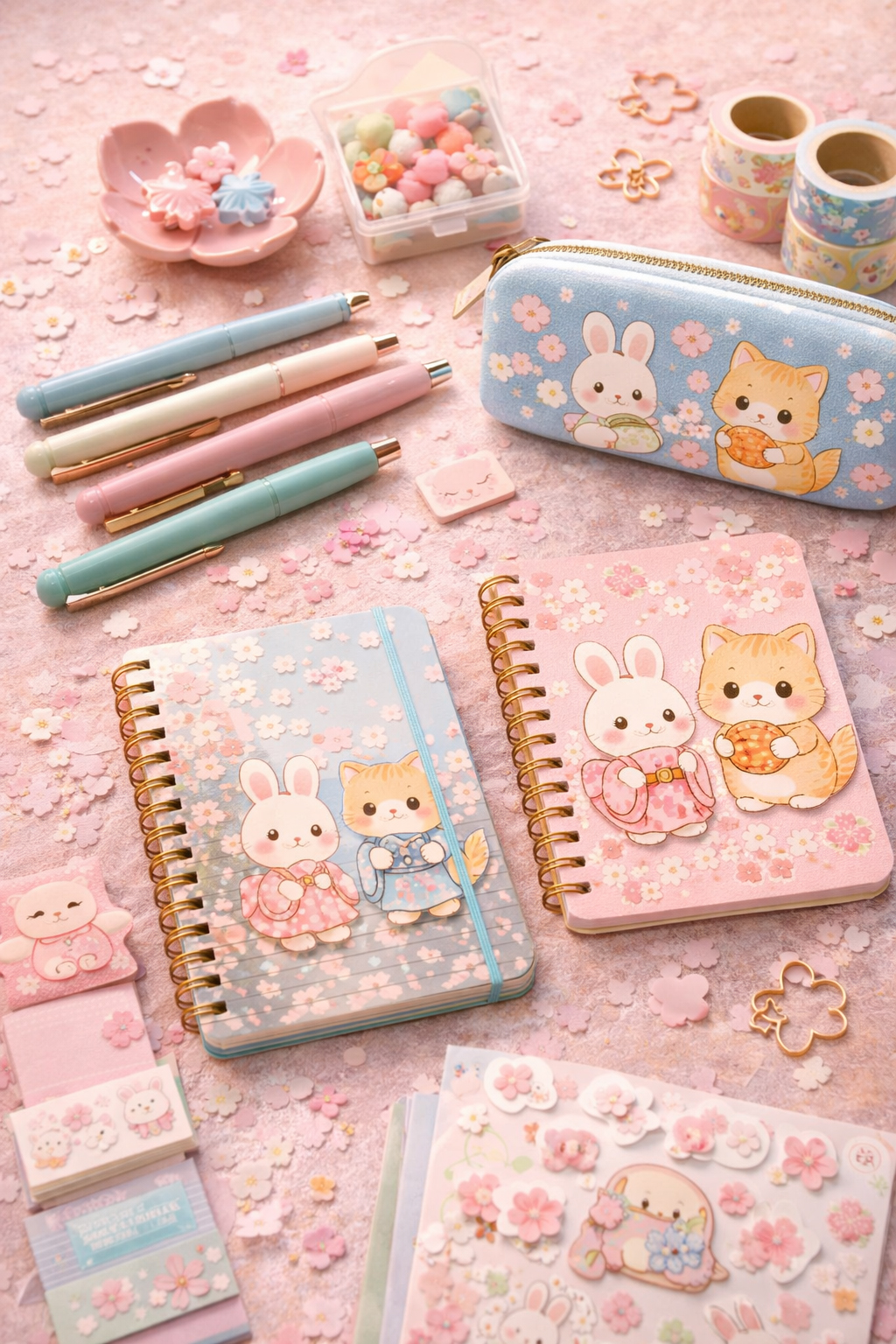
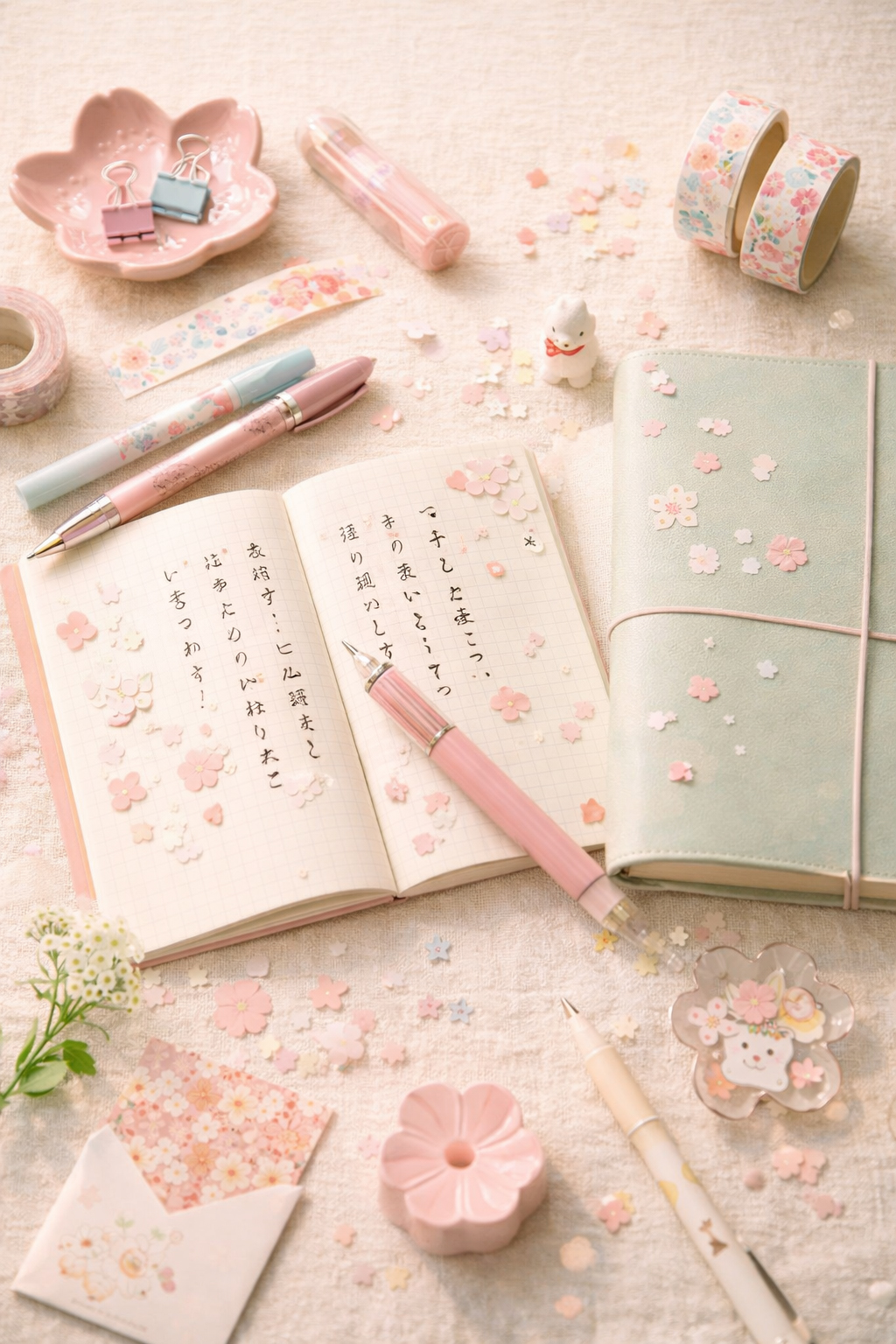
Japanese stationery and thoughtful design objects
All current stories

Long-form reads on Tokyo, Japan, and the beauty of everyday detail

Start anywhere. The pieces connect to each other naturally.

Tokyo smiles and everyday detail collage
Tokyo feeling

Twelve Ways Tokyo Makes You Smile

A long-form feature on the little ways Tokyo lifts the mood: convenience stores, trains, stationery, rain, side streets, seasonal sweets, and the soft emotional logic of daily life in the city.

Read the feature
Quiet small museum atmosphere in Tokyo
Museums and mood

Little Museums, Big Feelings

A feature on smaller museums in Tokyo that leave a disproportionate emotional trace, with real places, addresses, phone numbers, and official websites.

Read the feature
Japanese packaging and paper texture detail
Design and culture

Why Japanese Packaging Feels Special

A long-form reflection on care, seasonality, gift culture, restraint, and why packaging in Japan often feels less like wrapping and more like atmosphere.

Read the feature
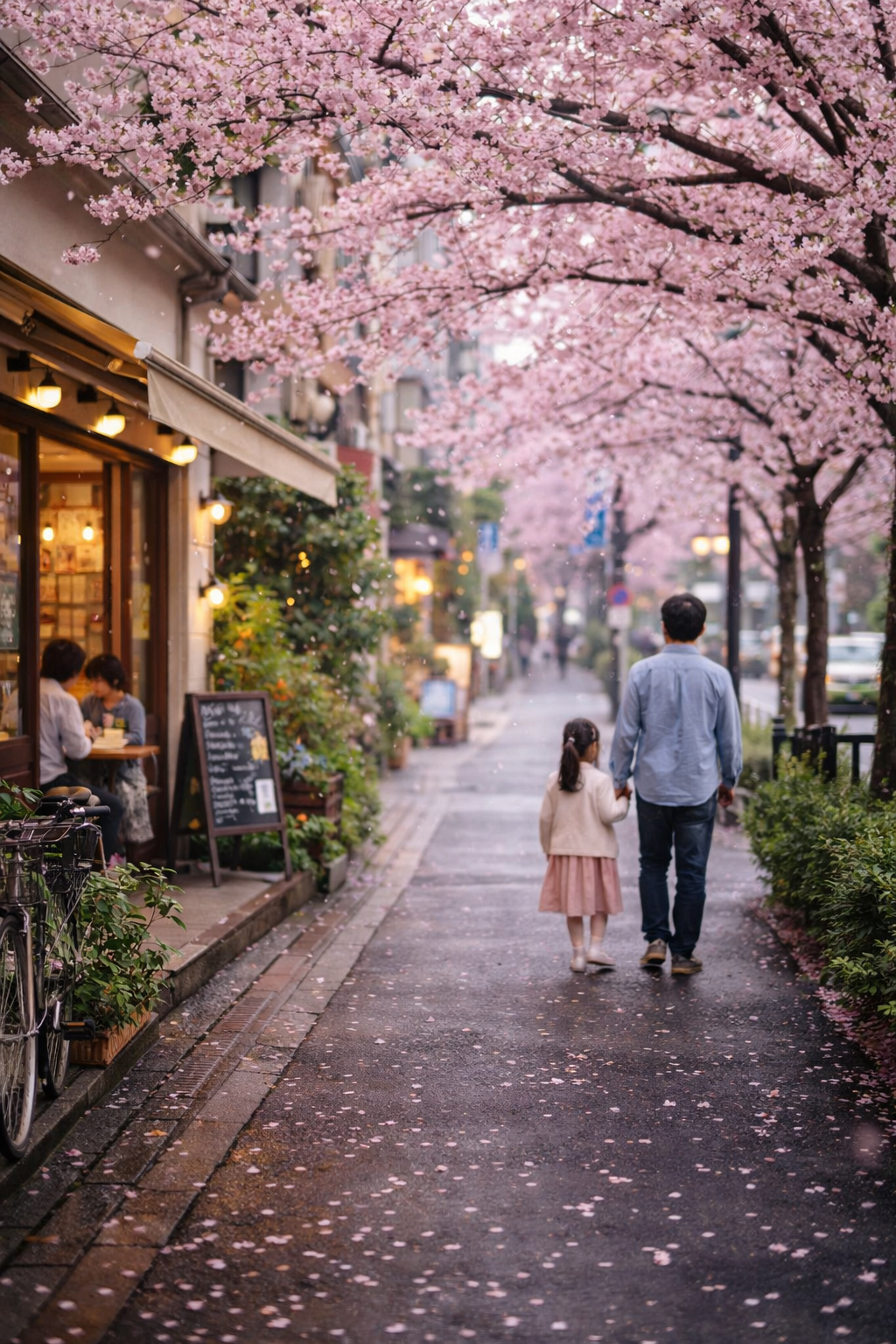
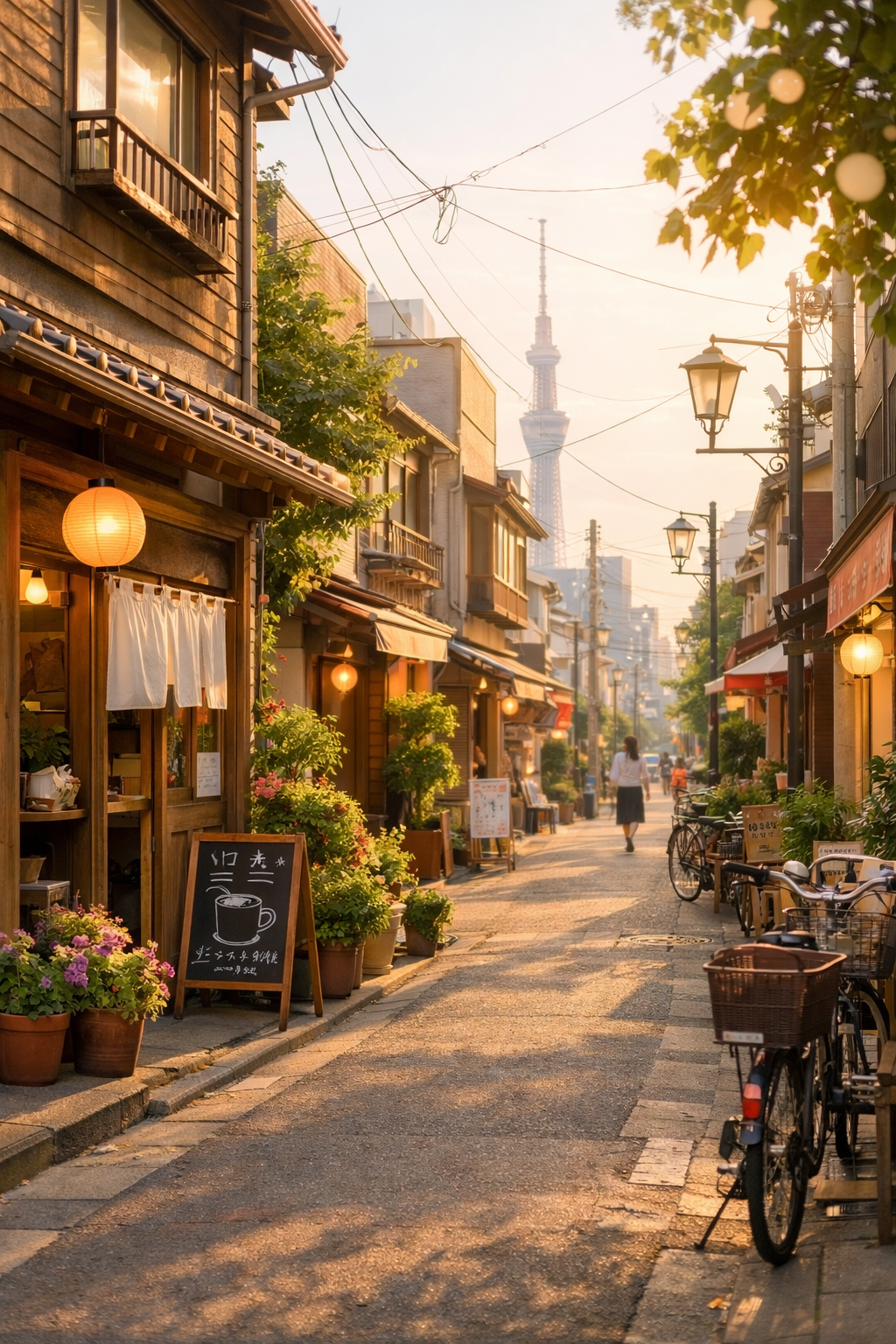
A soft Tokyo street perfect for a slow walk
Tokyo walking

The Art of a Slow Walk in Tokyo

A feature about what happens when you stop trying to conquer the city and let Tokyo reveal itself through side streets, pauses, detail, weather, and rhythm.

Read the feature
Seasonal emotional collage of Japan
Seasons and memory

The Emotional Calendar of Japan’s Seasons

A feature-length magazine article about spring, rainy season, summer, autumn, and winter — and how Japan turns the year into a sequence of emotional climates.

Read the feature
Rainy Tokyo window and teacup scene
Rainy Tokyo

Rainy Days in Tokyo Can Be Romantic

A long-form story about umbrellas, reflections, café windows, hydrangeas, station warmth, and why gray weather often makes Tokyo feel more intimate rather than less.

Read the feature
Beautiful Japanese stationery laid out on a desk
Paper and tools

The Joy of Japanese Stationery

A feature-length article on notebooks, pens, tiny tools, useful beauty, and why Japanese stationery can feel like emotional support disguised as paper goods.

Read the feature
Soft Harajuku and Tokyo street atmosphere
Neighborhood and identity

Why Harajuku Still Matters

A long-form feature on Harajuku as a district of permission, youth expression, softness, style, and emotional self-definition far beyond stereotype.

Read the feature
A calm Tokyo cafe scene with window light
Real café guide

A Guide to Tokyo’s Most Charming Cafés

A feature-length café guide built around real places, with addresses, phone numbers, websites, and atmosphere-first editorial notes on what makes each stop memorable.

Read the feature
Small beautiful everyday things in Japan
Everyday grace

How Small Things Win Your Heart in Japan

A feature about the tiny details — snacks, tools, trays, umbrellas, packaging, signs, little rituals — that quietly become the emotional reasons people fall in love with Japan.

Read the feature
Kawaii lifestyle collage and visual softness
Kawaii and culture

Why Kawaii Is More Than Cute

A long-form argument for kawaii as emotional language, public softness, design intelligence, and a cultural technology of tenderness.

Read the feature
A gentle side of Tokyo in afternoon light
Soft Tokyo

The Softer Side of Tokyo

A long-form portrait of Tokyo’s gentler emotional life through side streets, cafés, rain, packaging, seasonal detail, small rituals, and daily care.

Read the feature

A good feature does not only tell you what something is.
It helps you feel why it matters.

Good places to start

Three reading paths through the section

Choose the mood you want, then follow the thread.

Rainy Tokyo and slow-walk mood
Tokyo mood path

Start with the city’s feeling

Begin with The Softer Side of Tokyo, then move to The Art of a Slow Walk in Tokyo and Rainy Days in Tokyo Can Be Romantic.

Kawaii, stationery, and small design detail
Objects and detail path

Start with the small things

Read How Small Things Win Your Heart in Japan, then Why Japanese Packaging Feels Special and The Joy of Japanese Stationery.

Seasonal and cultural mood in Japan
Culture and season path

Start with atmosphere and meaning

Try The Emotional Calendar of Japan’s Seasons, then Why Kawaii Is More Than Cute and Why Harajuku Still Matters.

A warm and thoughtful Tokyo evening mood
Closing note

A city becomes memorable when you can feel the logic behind its beauty. That is what these features are for.

We want these essays to feel like a second layer of travel: one where Tokyo and Japan stop being only sights and become patterns of care, detail, softness, and meaning. Read one piece, then another, and the whole editorial map starts to connect.