Tokyo Neighborhoods

Harajuku

Harajuku is one of Tokyo’s loudest introductions and one of its smartest contrasts. It can be sugar, fashion, noise, and color within a few steps of the station. It can also be tree shade, shrine quiet, and side streets where the city suddenly feels older, calmer, and more self-possessed.

Come here for Takeshita Street, Cat Street, kawaii culture, youth fashion, Meiji Jingu, side-street shopping, cute snacks, and one of Tokyo’s sharpest collisions of stillness and motion.

A colorful collage evoking Harajuku fashion and kawaii street culture
Harajuku works best when you let it be more than Takeshita Street and more than its reputation.
Best for fashion watching, youth culture, cute shopping, side-street browsing, shrine quiet, snacks, and high-energy Tokyo wandering
Don’t miss the shift from crowd-heavy Takeshita to calmer Cat Street and then to the wooded calm of Meiji Jingu
Why Harajuku matters

This is one of Tokyo’s clearest neighborhoods of contrast.

GO TOKYO describes Harajuku as world-famous for kawaii culture, fashion, cosplay, and youth-driven trends, with Takeshita Street functioning as its most iconic artery. At the same time, the same area is paired with quieter side streets, more mature shopping around Cat Street, and the vast forested grounds of Meiji Jingu just minutes away. :contentReference[oaicite:1]{index=1}

That is why Harajuku is more interesting than its stereotype. It is not only about crepes, crowds, and eccentric outfits. It is also about how Tokyo layers youth culture, commerce, architecture, and shrine calm into one walkable district. You can move from sensory overload to near silence in less than ten minutes. :contentReference[oaicite:2]{index=2}

What kind of day is Harajuku good for?
A high-energy half-day, a first Tokyo youth-culture walk, a cute-food afternoon, or a mixed day where shrine calm and fashion streets both matter.
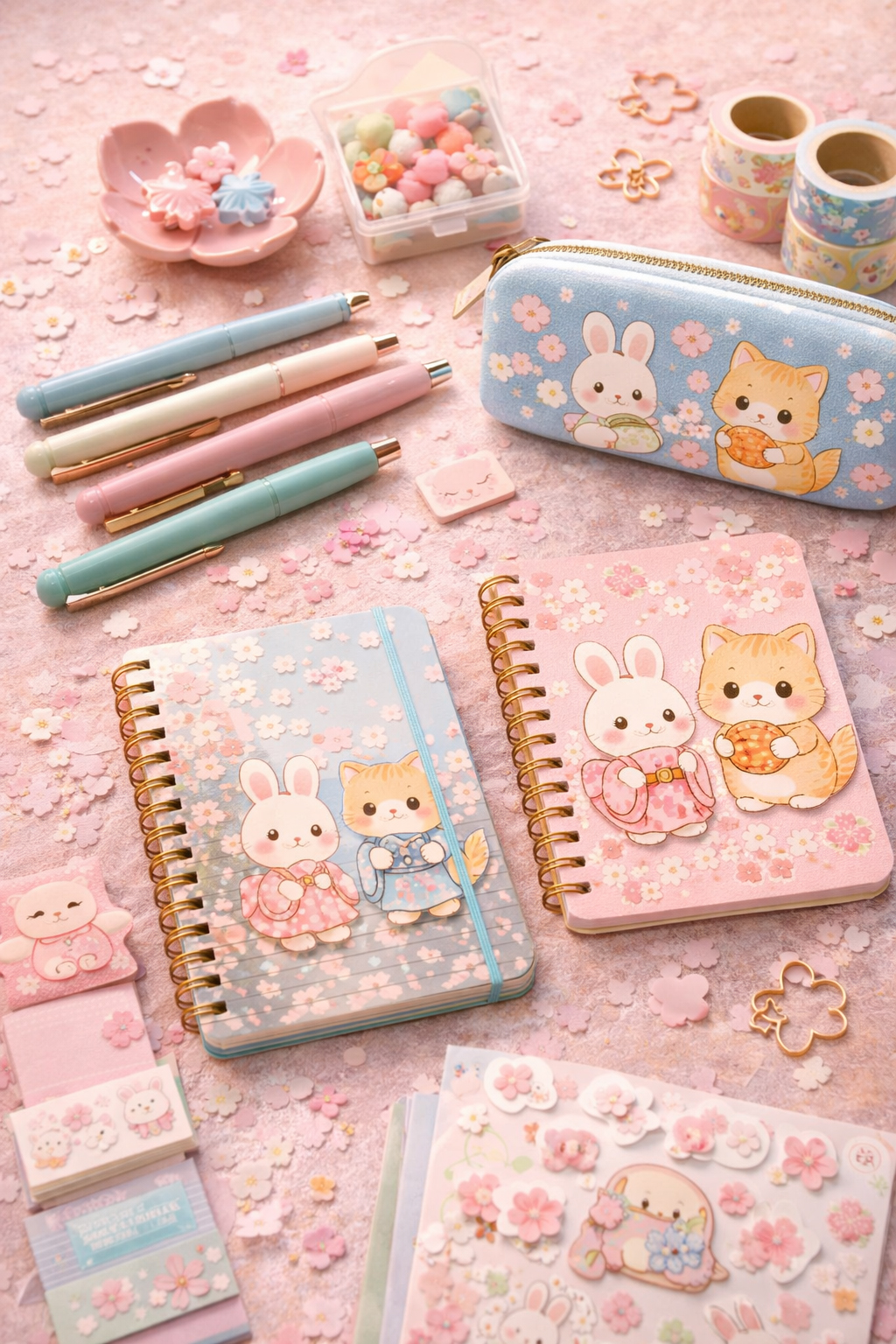
A cute shop detail suited to Harajuku shopping
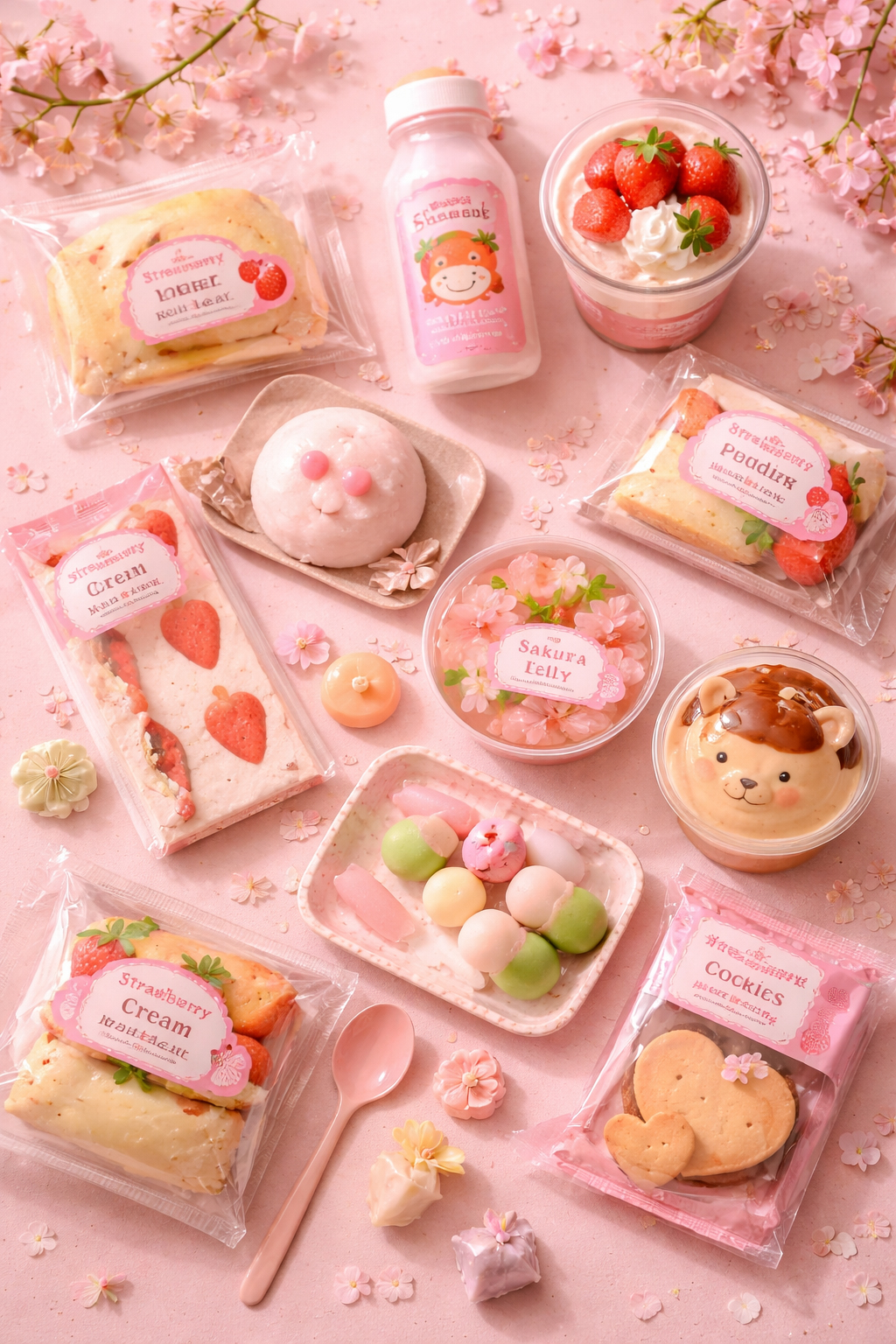
A cute dessert mood suited to Harajuku snacks and sweets
Editor’s picks

Seven stops that make Harajuku feel like Harajuku

The neighborhood is best as a sequence: station, main street, side street, fashion landmark, then a quieter reset.

A colorful Harajuku-inspired collage
Main artery

Takeshita Street

GO TOKYO calls this 350-meter pedestrian street the heart of Harajuku’s trend-conscious, youth-driven energy, known for quirky fashion, purikura booths, candy, and heavy crowd flow right beside Harajuku Station. It is sensory overload, and that is part of the point. :contentReference[oaicite:3]{index=3}
Why it works: immediate Harajuku identity, fashion watching, snacks, and the district’s most iconic first impression.
Reference: GO TOKYO: Takeshita Street
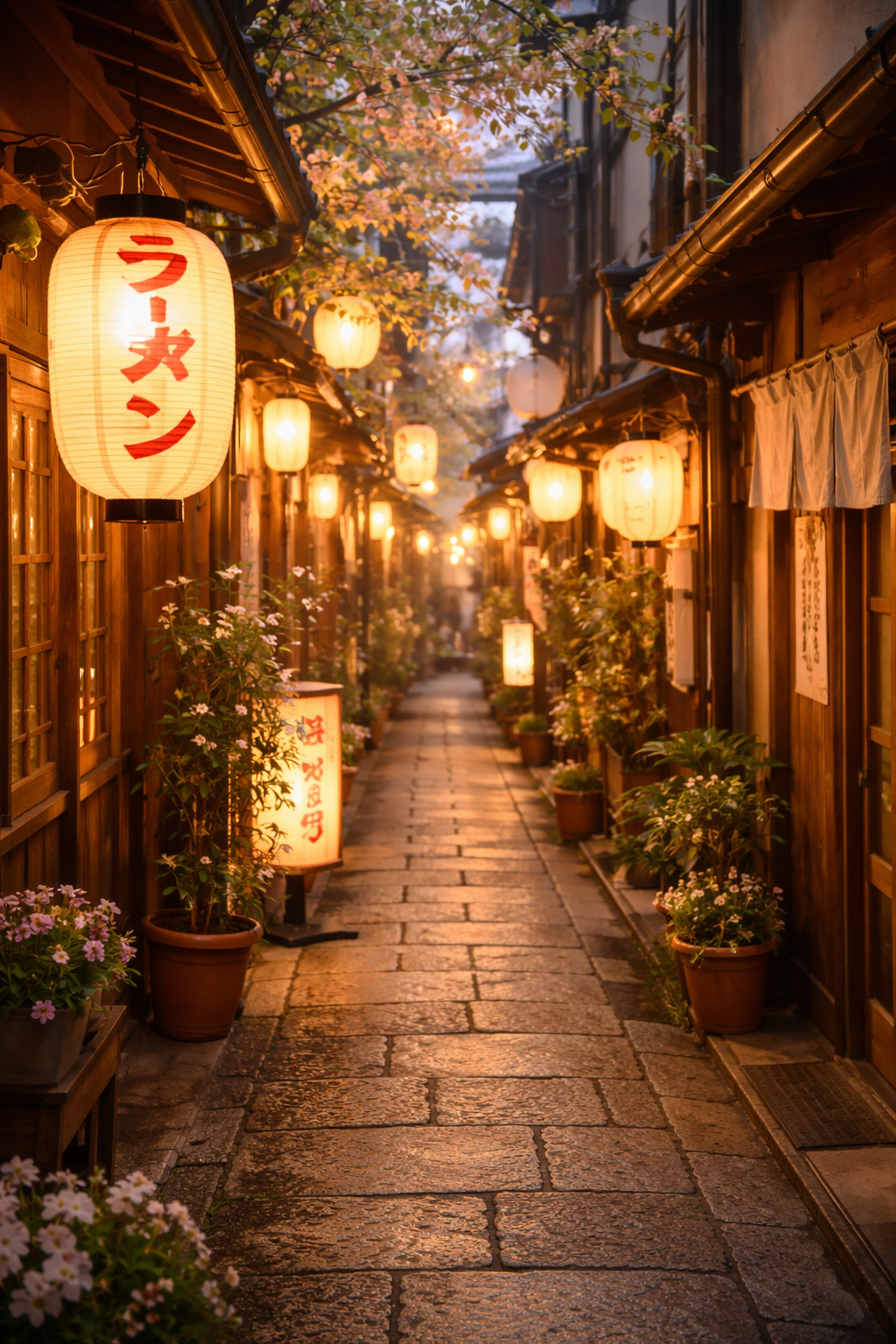
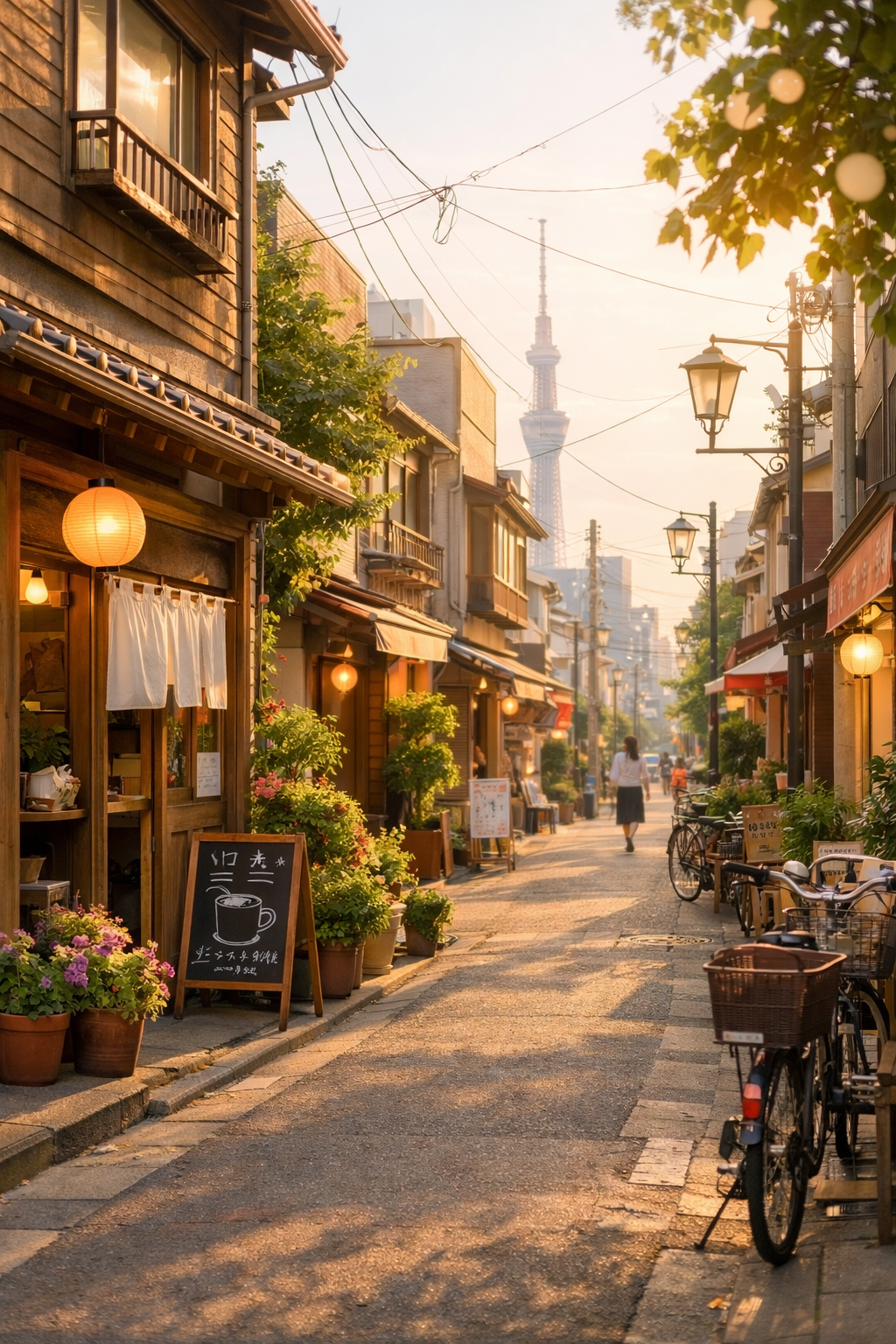
A calmer Tokyo side street suited to Cat Street
Older sibling street

Cat Street

GO TOKYO describes Cat Street as the more grown-up version of Takeshita Street, linking Harajuku and Shibuya with boutiques, vintage shops, and higher-end labels. It is one of the best ways to keep the neighborhood’s fashion energy while lowering the volume. :contentReference[oaicite:4]{index=4}

Why it works: better pacing, stronger browsing, and a version of Harajuku that feels less compressed.
Reference: GO TOKYO: Harajuku
A calm Tokyo path suited to Meiji Jingu
Quiet counterweight

Meiji Jingu

GO TOKYO’s Harajuku walk highlights Meiji Jingu as “green therapy in a sacred forest,” a huge tonal shift from the commercial district outside. The shrine’s wooded approach is part of what makes Harajuku such an unusually layered neighborhood. :contentReference[oaicite:5]{index=5}

Why it works: silence, scale, ritual atmosphere, and the most dramatic reset available within the district.
Reference: GO TOKYO: Explore Harajuku
A colorful shopping mood suited to Laforet Harajuku
Fashion landmark

Laforet Harajuku

GO TOKYO frames Laforet as one of Harajuku’s defining fashion buildings: maze-like, youth-oriented, and full of local and international labels. It remains one of the clearest ways to see Harajuku not just as a street, but as a fashion system. :contentReference[oaicite:6]{index=6}

Why it works: concentrated trend energy, multi-floor browsing, and one of the district’s most recognizable fashion interiors.
Reference: GO TOKYO: Harajuku
A cute sweets mood suited to Harajuku snacks
Snack ritual

Harajuku crepes and sweet street food

GO TOKYO repeatedly points to Harajuku’s crepe culture and sugary snack scene as part of the district’s identity. You do not need to overthink this stop. The point is to eat something slightly silly and very Harajuku while you walk. :contentReference[oaicite:7]{index=7}

Why it works: instant neighborhood mood, easy fun, and a food ritual tied directly to Harajuku’s image.
Reference: GO TOKYO: Explore Harajuku
A refined interior suited to a quieter Harajuku museum stop
Cultural side room

Ota Memorial Museum of Art

GO TOKYO specifically recommends the Ota Memorial Museum as a way to escape Takeshita Street’s crowds while staying in Harajuku. That suggestion is revealing: the district works best when one quieter, more deliberate stop tempers the rush. :contentReference[oaicite:8]{index=8}

Why it works: crowd relief, visual culture, and a more reflective version of the neighborhood.
Reference: GO TOKYO: Explore Harajuku
A soft evening mood suited to Harajuku after the crowds
Late-day version

Harajuku after peak crowd hours

Harajuku is often judged at its most crowded, but the district gets more legible when the peak fades. Side streets read more clearly, Cat Street becomes more browseable, and the neighborhood feels less like a performance and more like a place. This is an inference from the crowd-heavy descriptions in GO TOKYO’s area guides. :contentReference[oaicite:9]{index=9}

Why it works: easier walking, better browsing, and a more balanced sense of the district’s different moods.
Reference: GO TOKYO: Harajuku

Harajuku is one of Tokyo’s clearest lessons that spectacle and quiet can live almost on top of each other.

How to do Harajuku well

Use contrast on purpose

Harajuku gets tiring when you try to experience it only at one speed. The better version of the day is to alternate: crowd, then side street; shopping, then shrine; sweets, then shade; spectacle, then something calmer. That pattern is built into the district. :contentReference[oaicite:10]{index=10}

  • Walk Takeshita once, then leave it
  • Use Cat Street for a more adult browsing rhythm
  • Add Meiji Jingu if you want the district to feel complete
  • Choose one snack stop and one sit-down pause
  • Do not judge Harajuku only from the station exit crowd
Who Harajuku suits best

This is especially good for people who like Tokyo at its most visually expressive

Harajuku is not subtle, but it is richer than many first impressions suggest.

  • First-time visitors who want a famous Tokyo fashion district
  • People interested in youth culture, kawaii aesthetics, and shopping streets
  • Travelers who like strong visual contrast in one compact area
  • Families or friends looking for fun snack-and-shop energy
  • Anyone who wants a shrine reset within walking distance of fashion chaos
Pair your Harajuku walk with

Three easy ways to shape the day

Harajuku becomes more satisfying when you give the energy a little structure.

Cute sweets to pair with a Harajuku day
After shopping

Eat one classic Harajuku sweet on purpose

Crepes, candy, or another playful snack help the district feel like itself instead of just a crowded retail corridor.

A calmer Tokyo side street to pair with Harajuku
For balance

Take one quieter street seriously

Harajuku is much better once you leave the main current and give one side lane or Cat Street stretch your full attention.

A calm green Tokyo path to pair with Harajuku
For reset

Use Meiji Jingu as the second act

The shrine is not an add-on. It is part of what makes Harajuku such a complete and unusual district.

A softer Tokyo street mood that balances Harajuku's energy
Closing note

Harajuku is one of Tokyo’s best neighborhoods for seeing how trend, commerce, and stillness can sit almost shoulder to shoulder.

A crowded street, a quieter lane, a sweet in your hand, a shrine path in the trees, a fashion building, a side-street pause. None of it cancels the rest. Taken together, it becomes one of the city’s sharpest and most memorable walks.