Yanaka Ginza
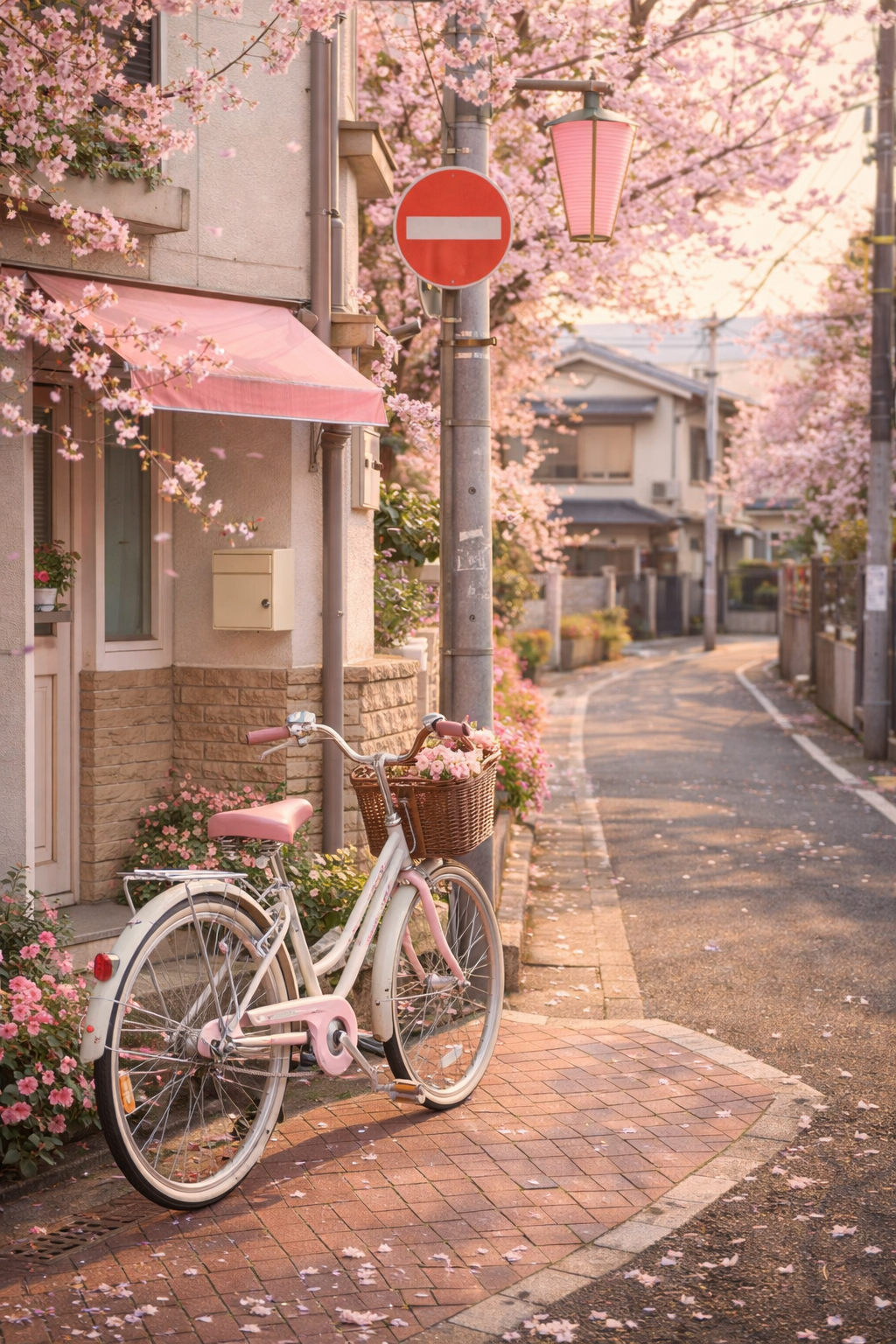
This retro shotengai is one of the area’s best-known draws, but it still works because it feels like a real local street. It is better for snacks, atmosphere, and small discoveries than for rushing through.

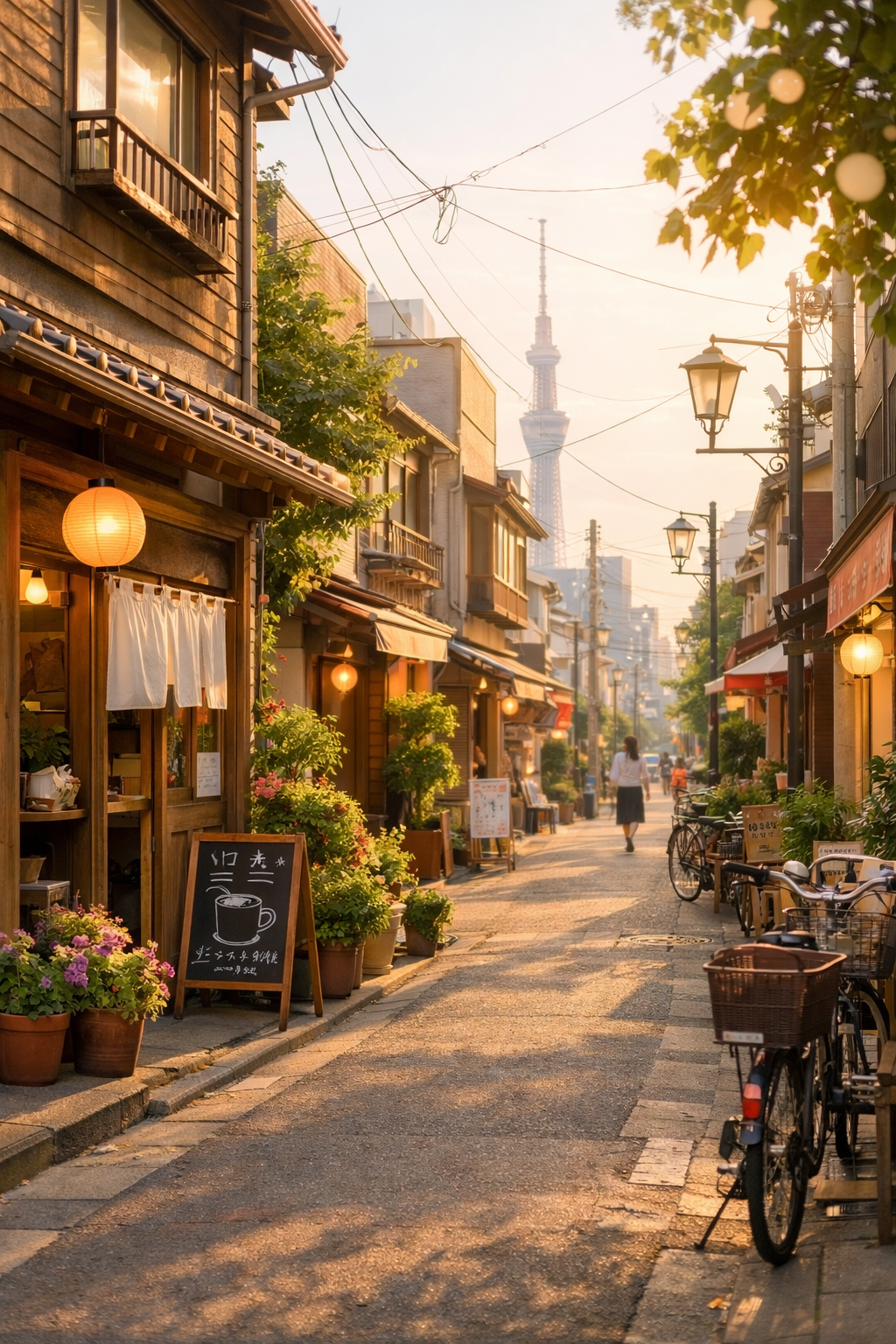
If much of Tokyo feels like motion, Yanaka feels like memory. It is one of the rare parts of the city where wooden houses, temple roofs, tiny shops, and ordinary residential streets still hold together as a living neighborhood rather than a staged historical scene.
Come here for old Tokyo lanes, temple quiet, small galleries, retro shopping streets, slow coffee, and a pace that asks less of you. Yanaka is not dramatic. That is exactly why people remember it.
Yanaka, along with nearby Nezu and Sendagi, is often grouped into what people call “Yanesen”: an area valued for its older streets, traditional houses, temple density, and everyday downtown texture. It survived major waves of destruction that changed much of Tokyo, which is part of why it still feels distinct.
But the neighborhood’s appeal is not only historical. Yanaka works because it is still lived in. People shop here. People walk home here. Cafes and galleries sit beside temples and houses. That mixture keeps the area from becoming too polished or too performative.
The neighborhood is best enjoyed as a sequence, not a checklist. Still, these are excellent anchors for the day.
This retro shotengai is one of the area’s best-known draws, but it still works because it feels like a real local street. It is better for snacks, atmosphere, and small discoveries than for rushing through.
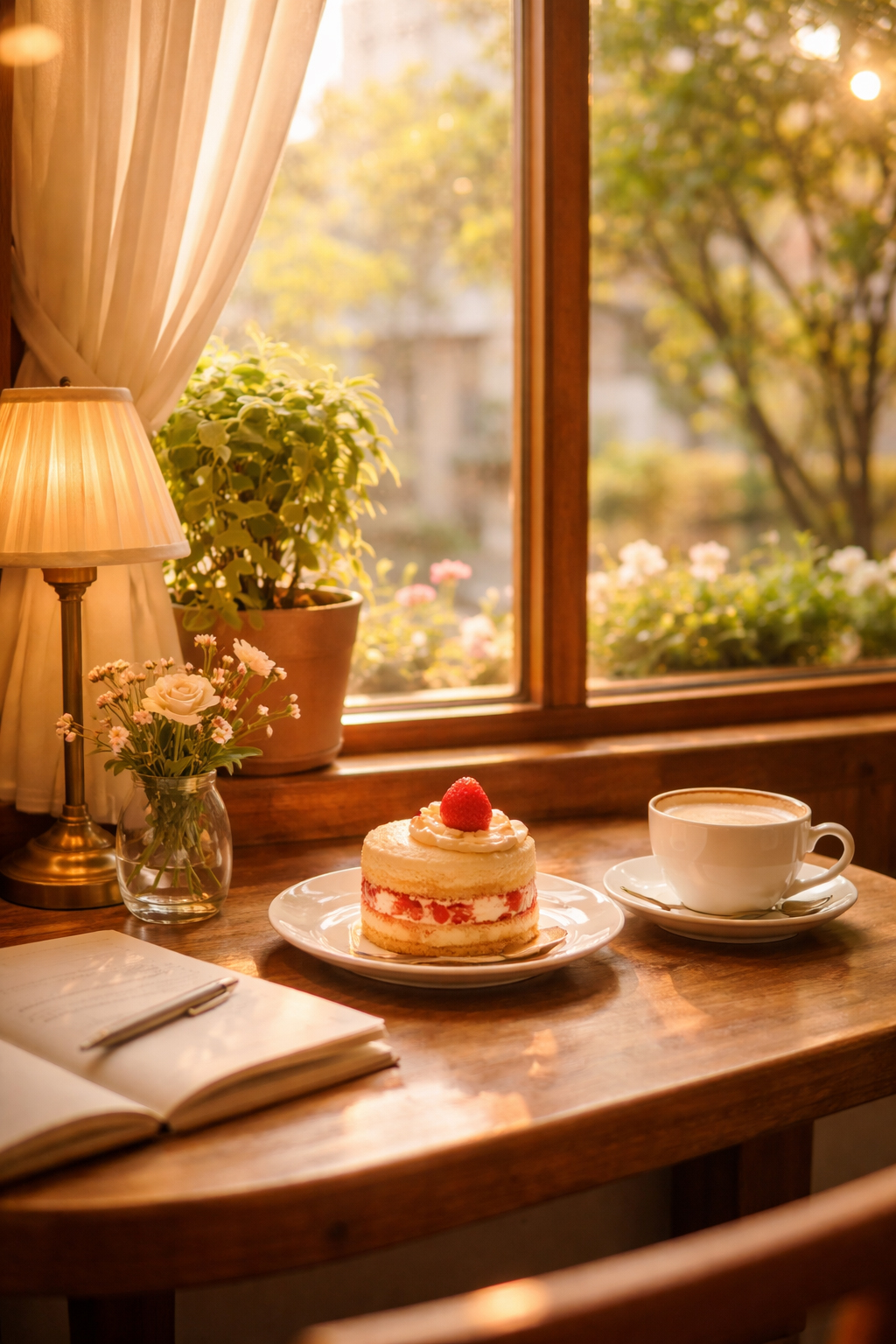
One of the neighborhood’s defining cafe stops. Set in an old wooden building, it gives Yanaka exactly the kind of pause the area deserves: warm, grounded, and slightly nostalgic without trying too hard.
HAGISO is one of Yanaka’s smartest modern additions: a renovated wooden apartment turned into a micro cultural complex with cafe, gallery, and design-minded neighborhood energy.
A contemporary gallery in a former bathhouse is exactly the kind of Yanaka contrast that makes the area feel alive. It keeps the neighborhood from turning into a museum of itself.
One of Yanaka’s most rewarding cultural stops. Formerly the studio and home of sculptor Fumio Asakura, it offers architecture, garden views, and a strong sense of lived artistic discipline.
These are less about ticking off sights and more about feeling the area settle around you. The cemetery paths and temple surroundings are part of why Yanaka feels spacious in a city that often is not.
Strictly speaking this is just outside Yanaka proper, but it belongs naturally to the day. If you are already walking the Yanesen area, Nezu Shrine is one of the easiest and most rewarding extensions.
Yanaka is not exciting in the way Tokyo is usually advertised. It is better than that. It is absorbing.
Yanaka improves when you resist the urge to optimize it. This is not the area for maximum throughput. It is the area for one main street, one museum, one cafe, one temple path, one snack, and enough time to notice side streets.
Yanaka is not the right answer for every Tokyo traveler. It is the right answer for a very specific kind.
Yanaka is best when it belongs to a slightly larger, still-gentle plan.
Yanaka suits people who like finding something modest and well made rather than shopping for big labels.
Yanaka usually rewards a second cup more than a packed itinerary. Give the afternoon extra room.
Yanaka is especially good in late afternoon, when the streets quiet further and the neighborhood’s textures become even softer.
A shopping street, a temple path, a cemetery road, a cafe in an old house, a gallery in a bathhouse, a museum hidden behind an ordinary street. None of it is loud. Taken together, it is one of Tokyo’s finest afternoons.