Tokyo Seasons

Winter in Tokyo

Winter in Tokyo is not the season of abundance in the obvious sense. It is the season of clarity. The sky turns hard blue. The air sharpens. Trees simplify. The city’s surfaces reflect more light. At night, illuminations appear as if Tokyo has decided to answer the cold with design instead of complaint.

Come for clear afternoons, glowing winter streets, shrines and temples at year’s end, warm cafes, seasonal sweets, evening walks, and the quieter elegance that arrives once the heat and humidity are gone.

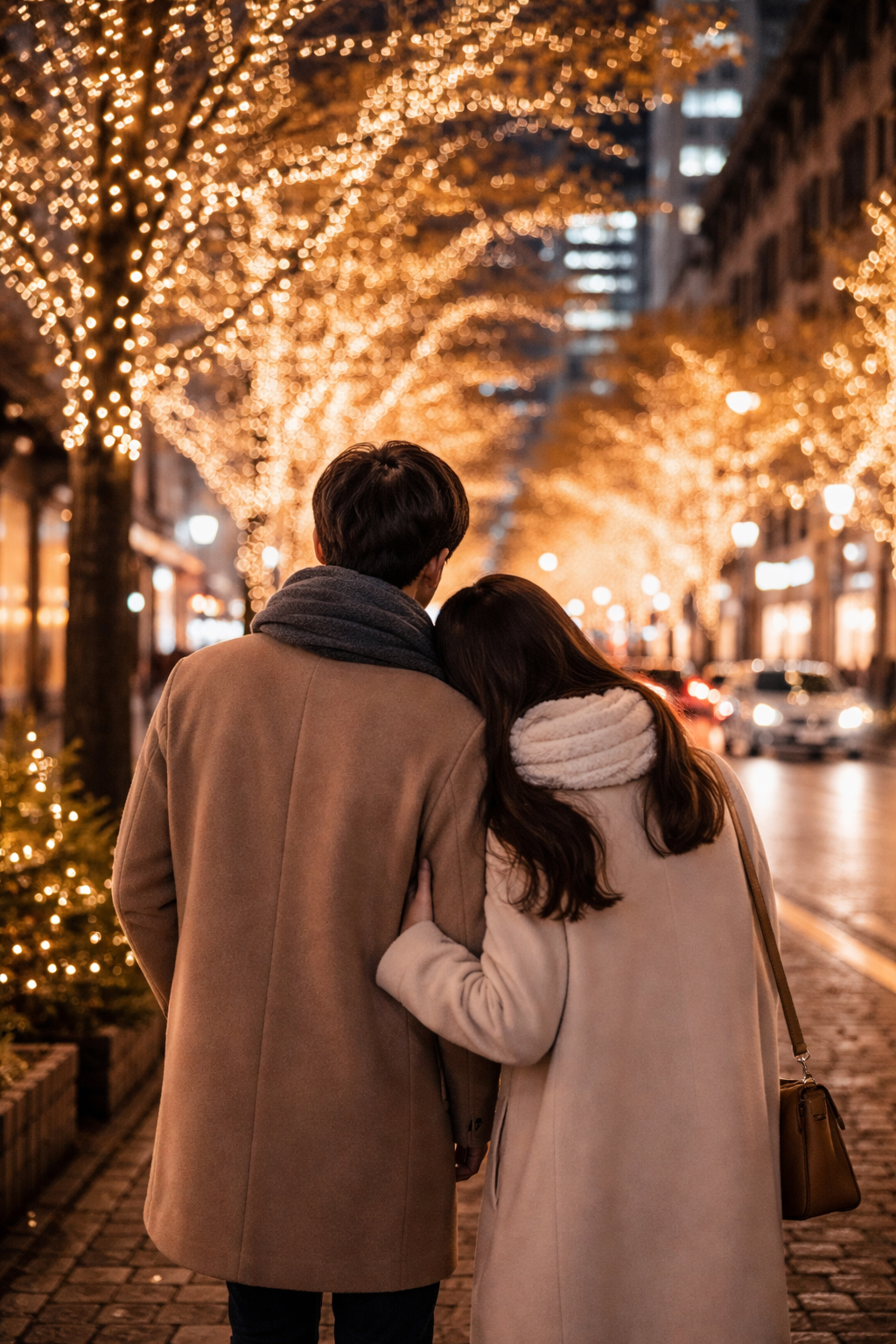
A glowing winter city walk in Tokyo with soft illuminations
Tokyo in winter is one of the city’s most elegant contradictions: cold air, warm light, and a surprising amount of invitation to walk.
Best for illuminations, blue-sky walks, shrine visits, calm museum afternoons, warm desserts, and evenings that feel cinematic
Think less snowy postcard Tokyo, more crisp air, city light, winter rituals, and the pleasure of moving through a cleaner-looking capital
Why winter works so well here

Tokyo becomes easier to read in winter.

The city is less softened by foliage than in spring and less blurred by summer heat. You notice outlines, shadows, stone, glass, and sky. Shrines and temple grounds feel more solemn. Department stores and stations feel warmer. Cafes become more persuasive. Even simple walks gain structure.

Official Tokyo winter guidance emphasizes illuminations, seasonal city walks, and cold-weather attractions across districts such as Omotesando, Ginza, Ebisu, Marunouchi, Roppongi, and Nakameguro. But winter in Tokyo is not only about lights. It is also about timing: mornings that feel clean, afternoons that stay crisp, and evenings that ask you to choose one neighborhood and stay in it.

What kind of winter city is Tokyo?
Not a snow-heavy one most days, but an illumination-rich, shrine-friendly, cafe-loving, blue-sky winter capital that rewards walking more than many visitors expect.

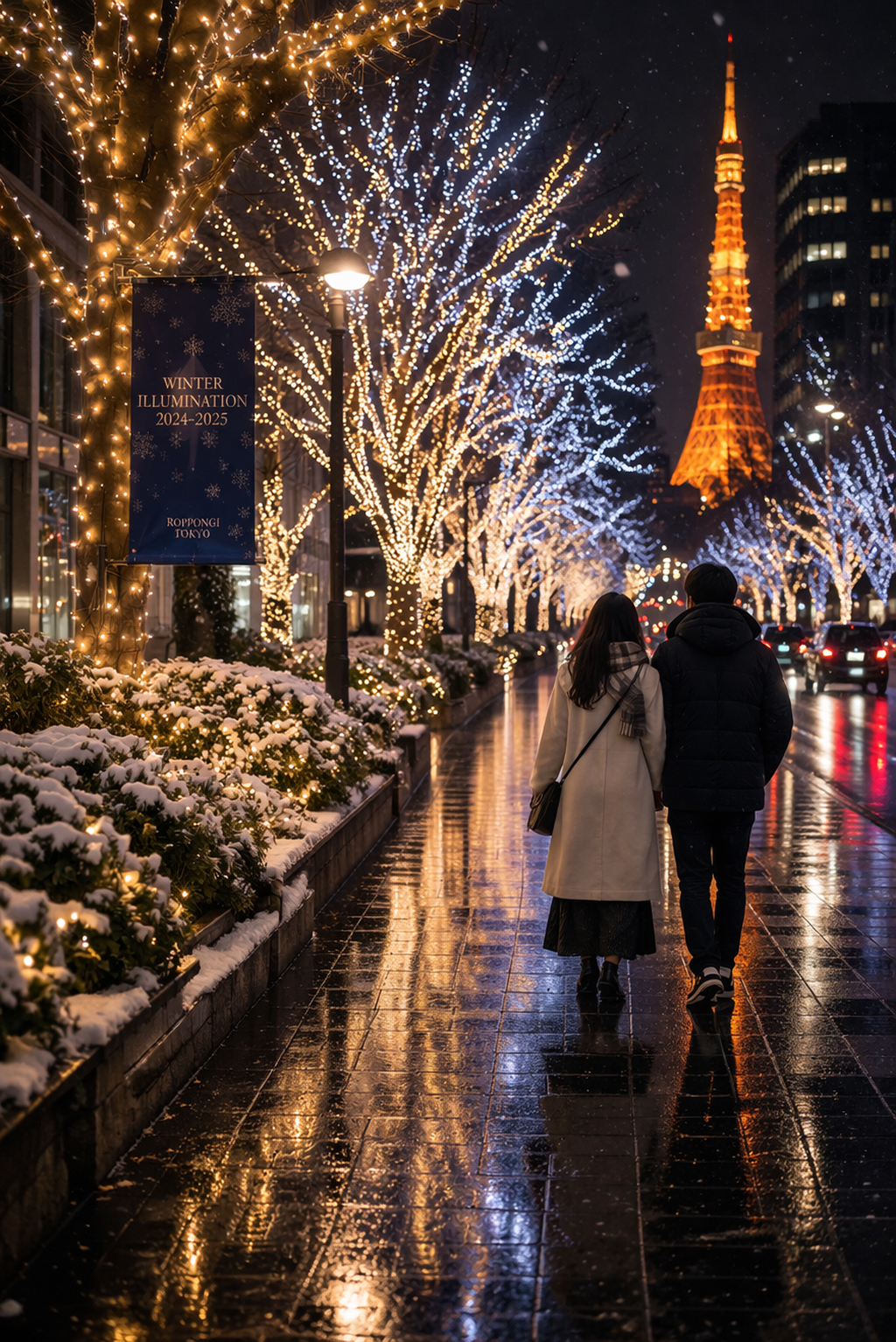
A closer winter illumination scene in Tokyo
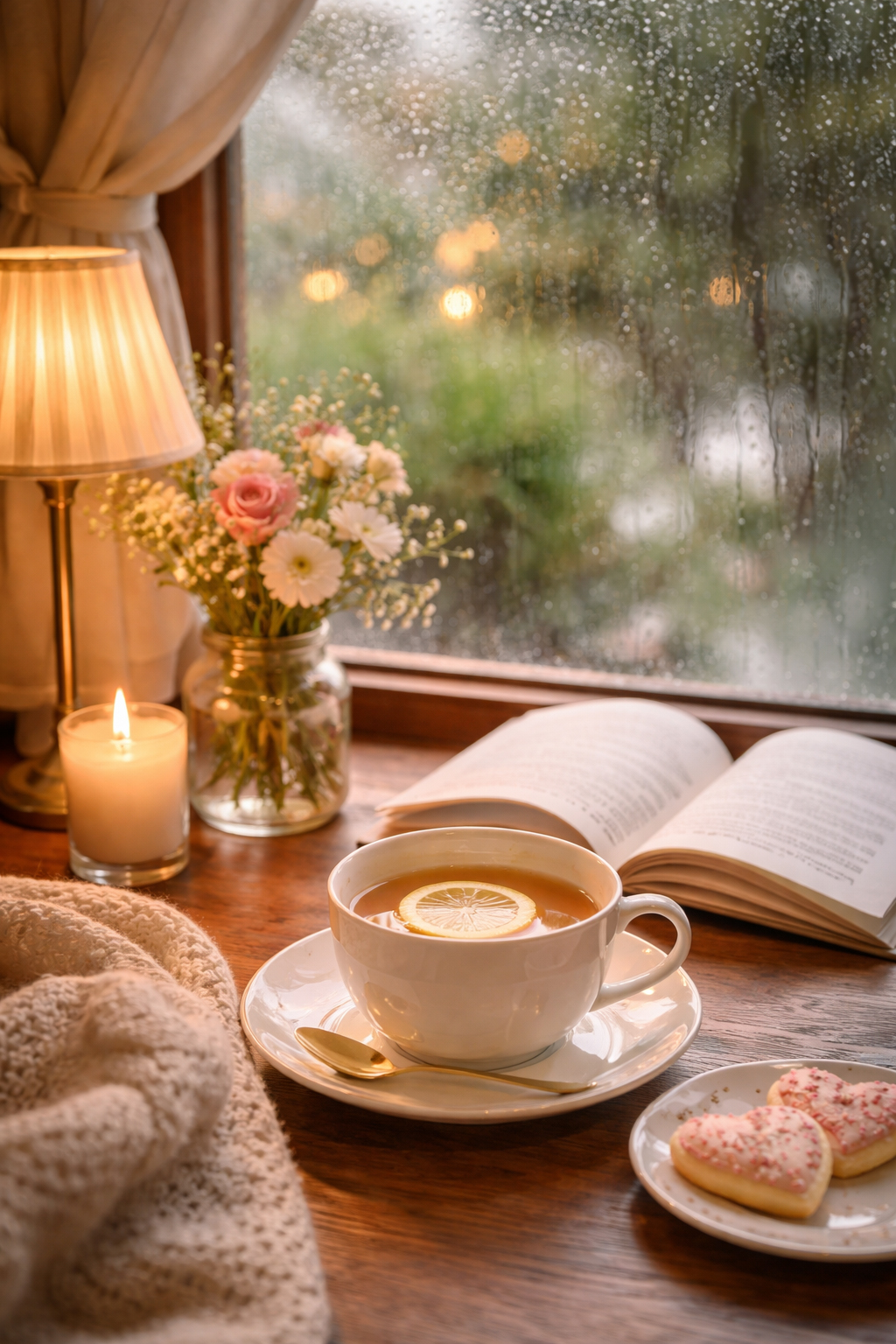
A warm teacup by a winter window in Tokyo
Winter highlights

Six things Tokyo does especially well in winter

Winter here is less about one grand seasonal event and more about the way many different small pleasures sharpen at once.

Tokyo winter illumination street
Night walks

Winter illuminations

Omotesando, Ginza, Ebisu, Marunouchi, Roppongi, and parts of the Meguro area all become winter-light districts. Tokyo’s official winter coverage treats illuminations as one of the season’s defining pleasures, and for good reason: they make evening walking feel like the event itself.

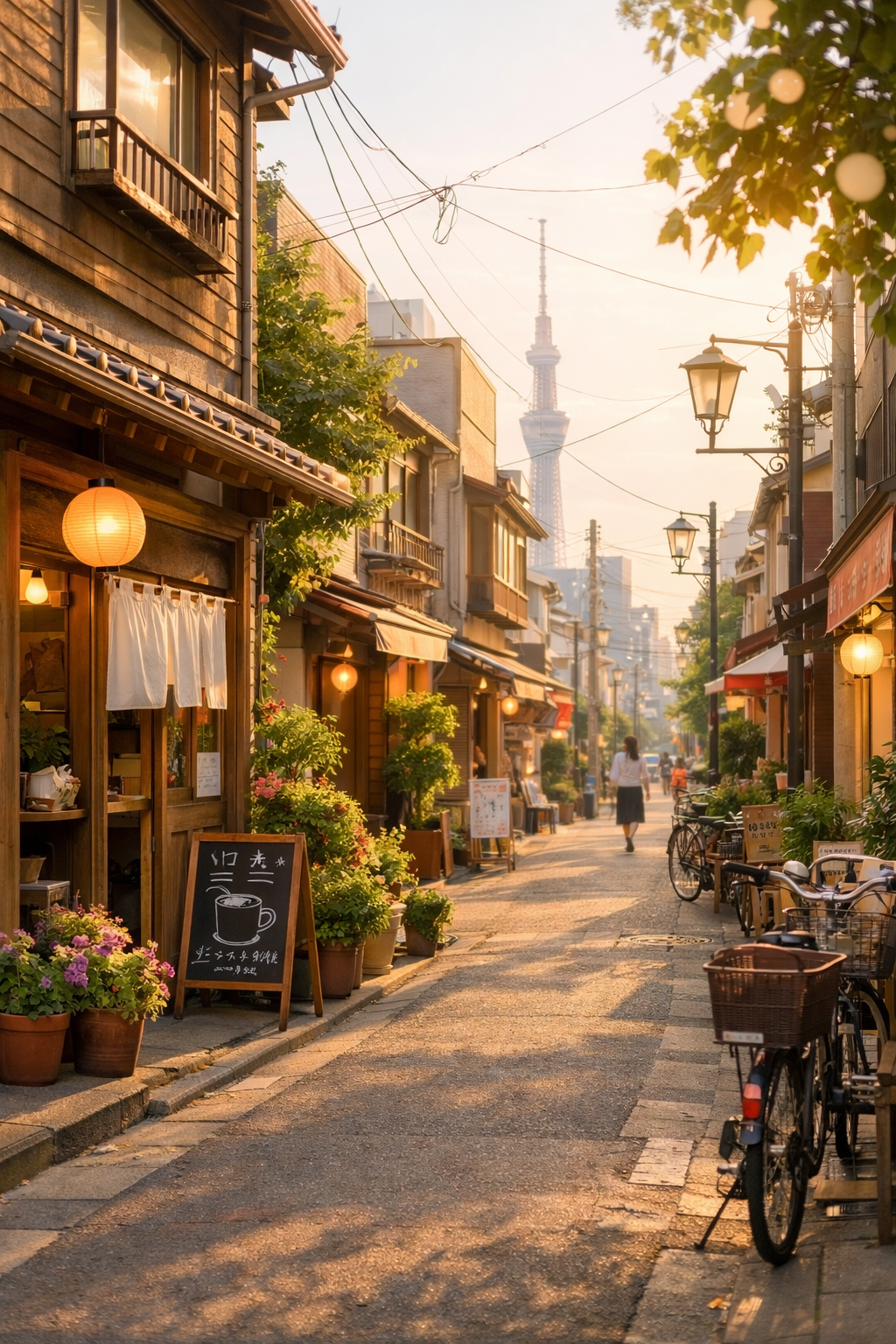
A crisp winter afternoon street in Tokyo
Daytime Tokyo

Clear blue-sky afternoons

Winter often gives Tokyo some of its cleanest-looking days. Boulevards, shrine approaches, river walks, and museum districts all feel more legible in the cold.

A cozy interior suited to winter museums and tea rooms
Indoor calm

Museums, galleries, and tea

Winter is one of the best times to build Tokyo days around interiors: museums, department store food floors, tea houses, and elegant cafes all feel more convincing in the cold.

Seasonal sweets and small winter treats in Tokyo
Seasonal comfort

Warm desserts and winter sweets

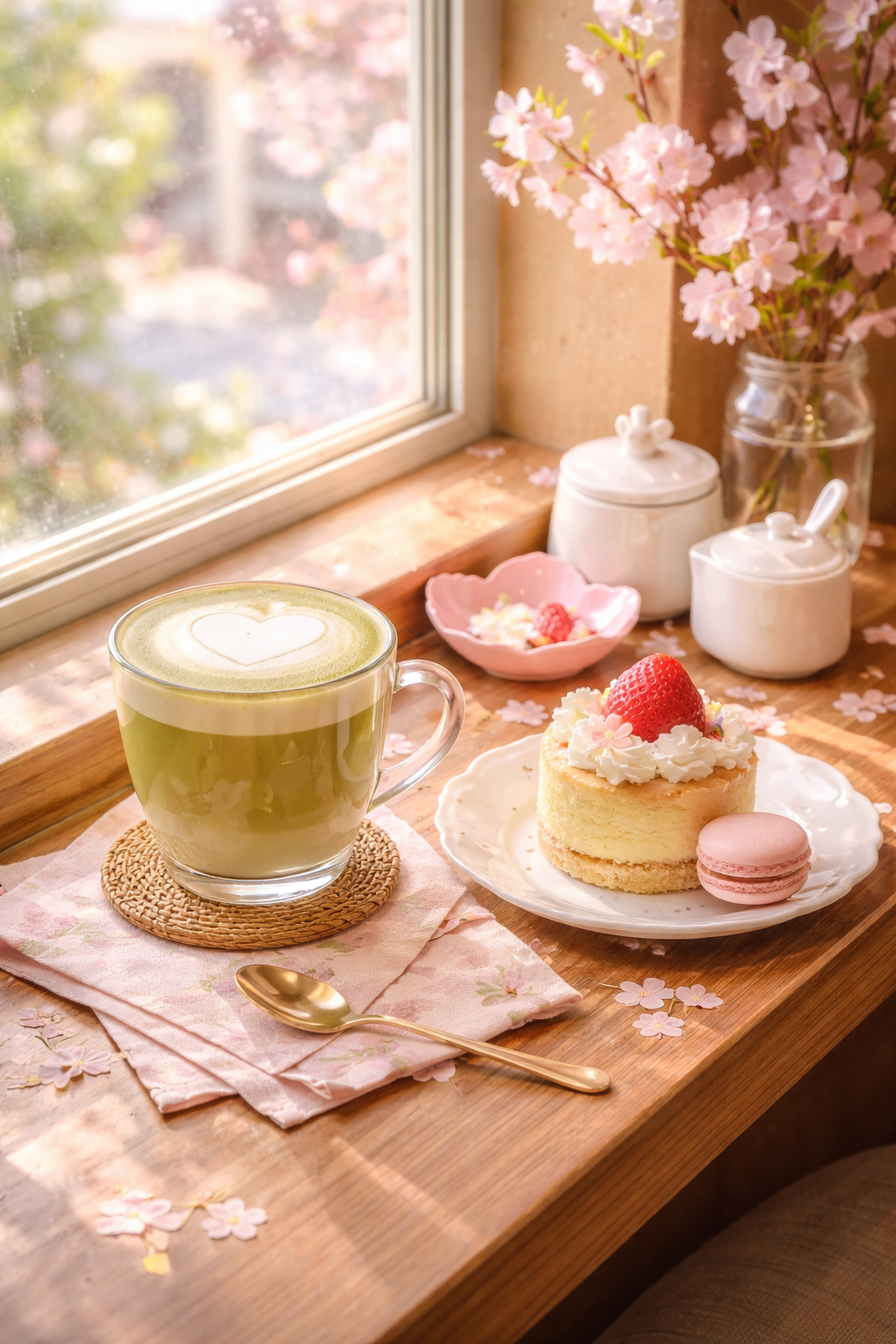
Cakes, parfaits, tea, chestnut sweets, strawberries, hot drinks, and convenience-store winter indulgences all become more pleasurable when the weather turns cold.

A quieter Tokyo neighborhood in winter
Lower tempo

Neighborhood walking

Areas like Yanaka, Kichijoji, Jiyugaoka, and parts of Omotesando can feel especially good in winter because the weather encourages smaller, more deliberate plans.

An evening Tokyo street in winter
Year-end mood

Shrines, temples, and seasonal ritual

Winter overlaps with some of Tokyo’s most culturally resonant moments: year-end markets, New Year shrine visits, and the sober clarity of temple grounds in cold air.

Tokyo in winter does not overwhelm you with one grand seasonal image. It persuades you through light, air, and better reasons to stay out a little longer.

Where winter looks best

Neighborhoods that wear the season especially well

Winter is not equally flattering everywhere. Some parts of Tokyo gain far more from cold air and early darkness than others.

  • Omotesando: tree-lined illuminations and elegant evening walking
  • Marunouchi: polished winter lights, broad streets, and a more formal city mood
  • Ginza: winter shopping streets and reflective night atmosphere
  • Roppongi / Tokyo Midtown: ambitious illumination culture and dramatic urban composition
  • Yanaka and other older districts: shrine and temple calm in crisp air
  • Kichijoji: park-and-cafe winter days with a softer pace
How to do winter Tokyo well

Build the day around warmth, then earn the cold

Winter Tokyo is most successful when the day alternates well between outside and inside.

  • Start with a shrine, park, or neighborhood walk while the light is clear
  • Use a cafe, museum, or department store as the middle of the day
  • Choose one illumination district for evening instead of chasing several
  • Keep gloves, scarf, and a smaller bag for easier indoor transitions
  • Let dinner or dessert be part of the winter plan, not an afterthought
Winter ideas

Three especially good Tokyo winter plans

Winter in Tokyo gets better once you choose one mood and build around it.

Tokyo winter illuminations
City-light plan

Afternoon cafe, then illuminations

Start indoors somewhere warm, then head out once the lights come on. This is one of Tokyo’s simplest and best winter formulas.

A crisp winter Tokyo walk
Clear-day plan

Shrine, museum, and one elegant neighborhood

Winter clarity suits temple grounds, museum interiors, and one district you can stay in long enough to feel properly.

A warm cafe window seat in winter Tokyo
Soft-day plan

Neighborhood walk, sweets, and an early evening homeward glow

Jiyugaoka, Kichijoji, Yanaka, or Omotesando all do this well: one area, one sweet thing, one warm table, one good walk after dark.

A close winter illumination scene in Tokyo
Closing note

Winter in Tokyo is one of the city’s most precise seasons.

Light feels brighter. Evenings feel more deliberate. Cafes feel warmer. Streets feel cleaner. It is not the loudest version of Tokyo, but it may be one of the most elegant — a season built from clear air, small rituals, and beautifully timed reasons to stay out after sunset.