Tokyo features

How Small Things Win Your Heart in Japan

People often say they fell in love with Japan because of the food, the temples, the train system, the fashion, the gardens, or the beauty of the seasons. And all of that may be true. But often the deeper attachment forms somewhere smaller.

A wrapped sweet. A perfectly sized umbrella. A convenience-store egg sandwich. A handwritten notice. A pencil that writes too smoothly. A little station melody. A tray placed carefully beneath your change. Japan wins the heart not only through major experiences, but through the accumulation of tiny acts of attention.

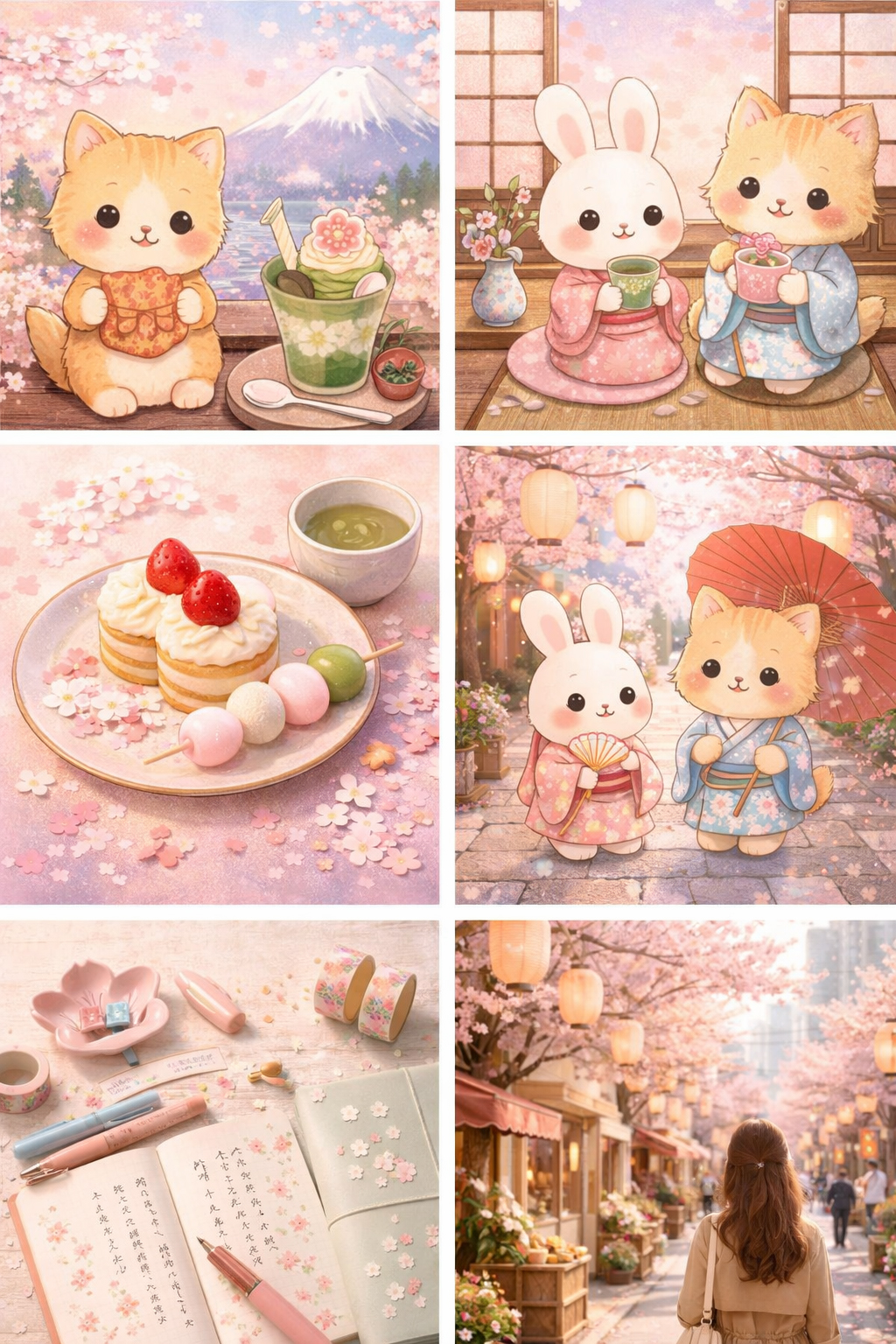
A collage of small beautiful everyday things in Japan
Feature mood tiny delights, everyday grace, packaging, stationery, snacks, weather, politeness, and the quiet force of being thoughtfully handled
Best for readers who know that the strongest forms of affection are often built from details too small to explain quickly
A soft beginning

Grand beauty may impress you first. Small beauty is what stays.

There is a special kind of trust that develops when a place repeatedly handles little things well. Not flawlessly, not magically, and not without contradiction. But often enough that you begin to expect a certain level of consideration in the ordinary.

Japan can create that feeling. Not because every detail is perfect, but because so many details feel thought through. Objects are shaped with care. transactions are softened by ritual. seasons are visible in snacks and shop windows. tools are designed as though the user’s hand and mood both matter.

This changes the emotional surface of life. You begin to move through the day feeling slightly more attended to. Slightly more anticipated. Slightly more accompanied by your environment than opposed by it.

And that is often how love begins. Not in one overwhelming moment, but in a hundred little recognitions that something here is gentler than it had to be.

Chan-chan note
One reason Japan lingers in memory is that so many small things seem to say, quietly and repeatedly, “we thought about this a little more.”
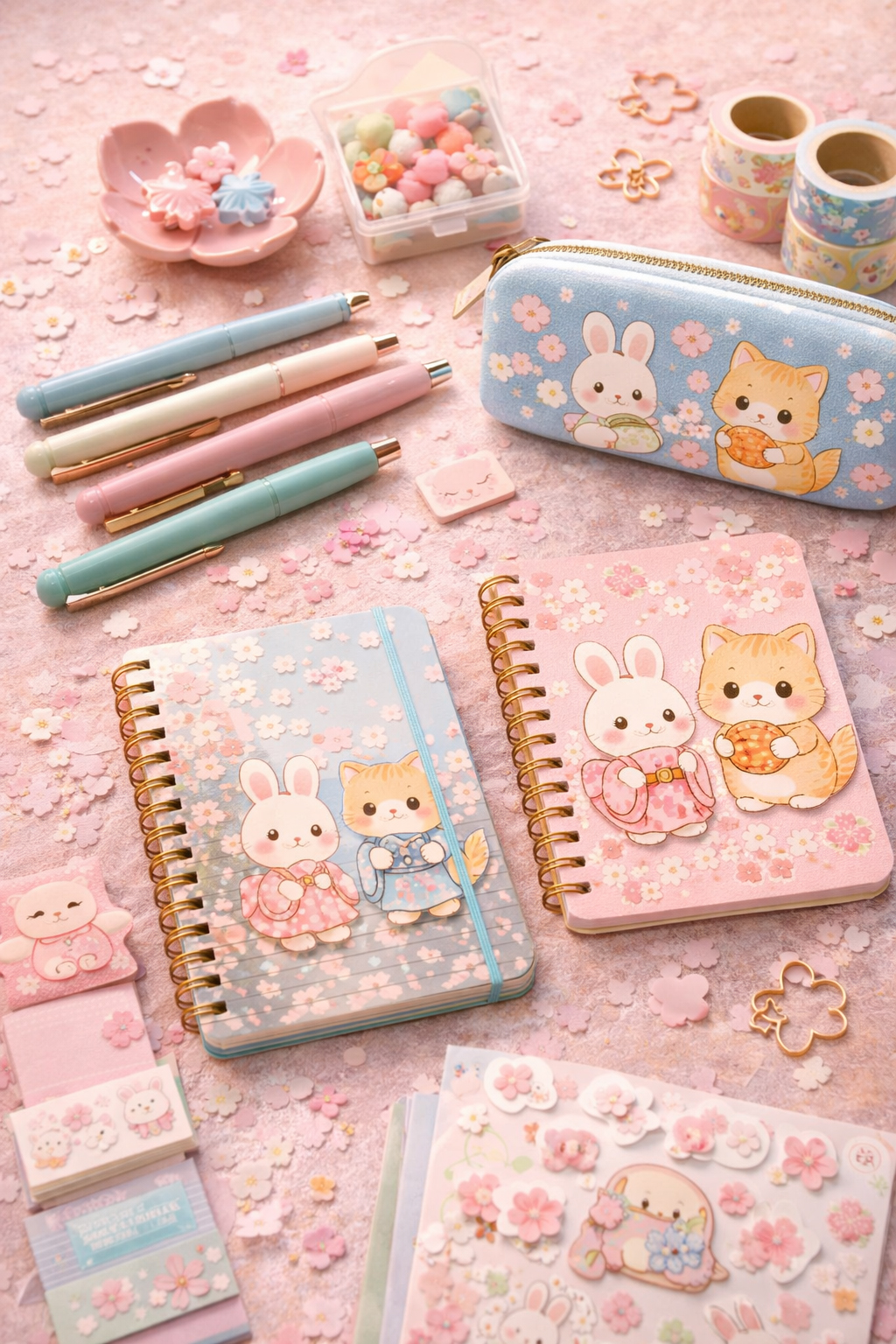
Small colorful Japanese objects and stationery
Beautifully arranged convenience store sweets in Japan
The small things

How tiny details quietly become emotional evidence

You may not notice each one separately at first. But together they change the shape of a whole day.

Japanese convenience store sweets and careful packaging
Small food, big feeling

A snack can arrive with dignity

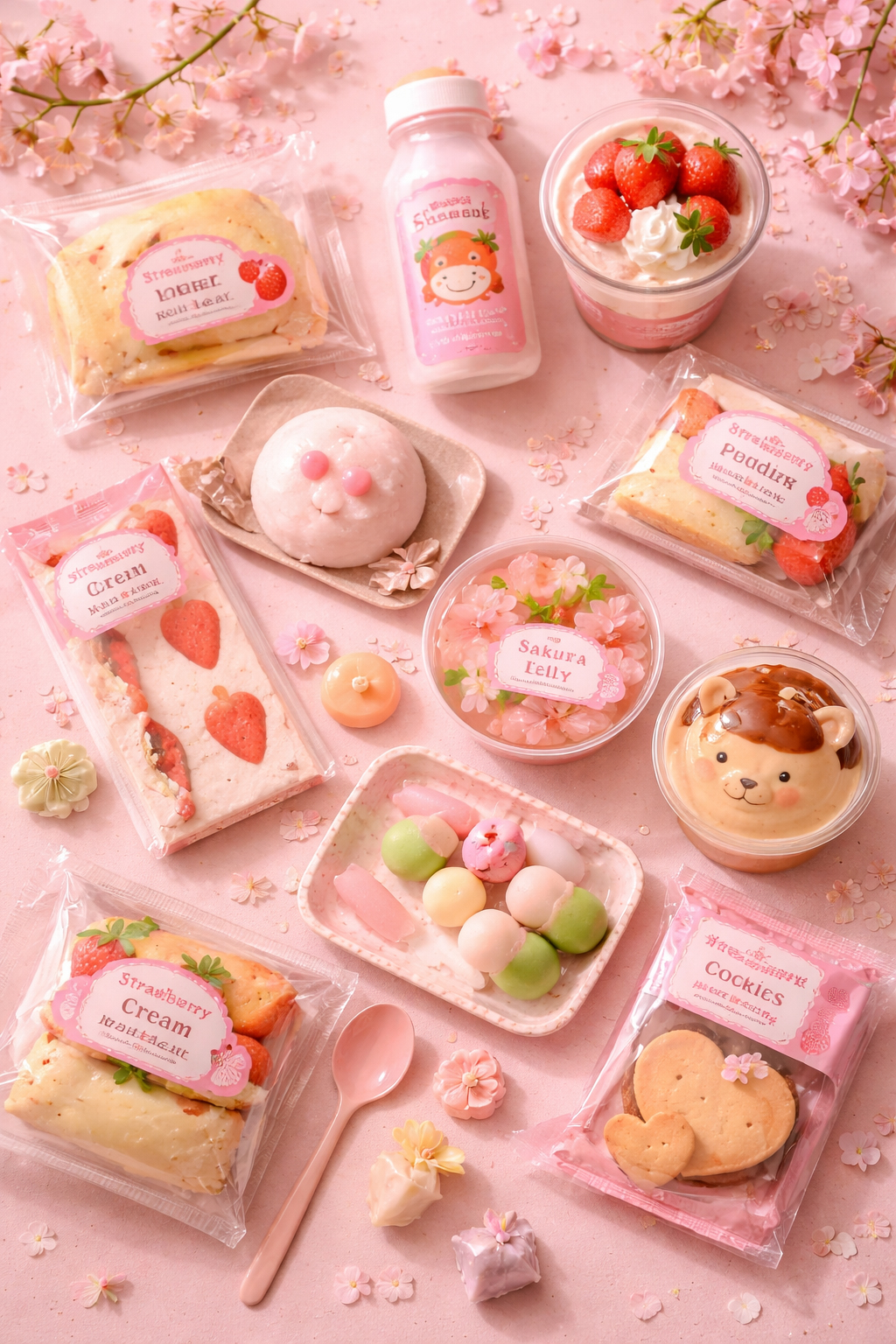
One of the earliest ways small things win people over in Japan is through food that should, in theory, be too minor to matter so much. A convenience-store dessert. A wrapped cookie. A rice ball. A seasonal drink. A sandwich eaten on a station bench.

These are not grand culinary events, yet they are often treated with enough care in flavor, packaging, proportion, and appearance that the experience exceeds its scale. It is hard not to be charmed by a culture that seems unwilling to treat small hunger as unworthy of beauty.

The lesson is emotional as much as gastronomic: even little appetites deserve thoughtful answers.
Japanese stationery laid out beautifully
Tools with tenderness

Useful objects are often made as though mood matters too

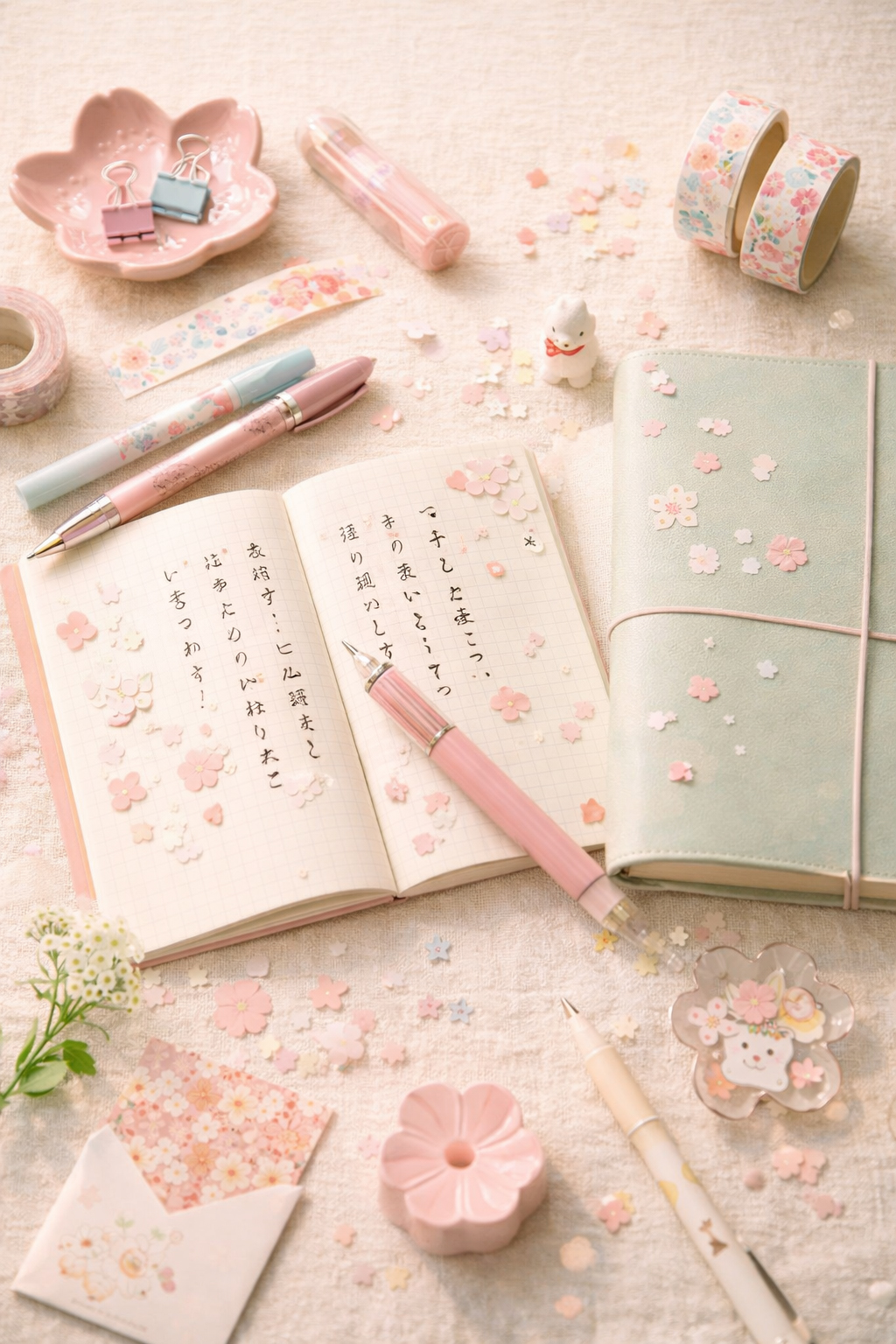
A notebook that opens flat. A pen that glides without protest. A tiny clip that solves exactly one small annoyance. A folder that fits the bag correctly. Washi tape that makes a page feel more human.

Japanese stationery is beloved because it improves the emotional texture of practical life. It does not only help you organize. It makes organizing feel a little more graceful.

This matters because much of life is made of minor repeated actions. When those actions are supported by better small objects, your affection for the place that makes those objects begins to deepen almost without permission.

Packaging textures and printed paper in Japan
Wrapped attention

Packaging often feels like part of the gift, even when you bought it for yourself

Japan’s gift culture, seasonal awareness, and design discipline all meet in packaging. Boxes close well. paper feels chosen. labels are placed with composure. even ordinary purchases sometimes arrive as though they have been introduced rather than simply handed over.

This changes the emotional meaning of receiving. The object is not naked. It comes with atmosphere. And atmosphere is one of the fastest ways small things enter memory.

A place that wraps even modest purchases gracefully can begin to seem like a place that understands not only utility, but ceremony.

Umbrellas on a rainy Japanese street
Weather with manners

The objects of bad weather are often made strangely lovable

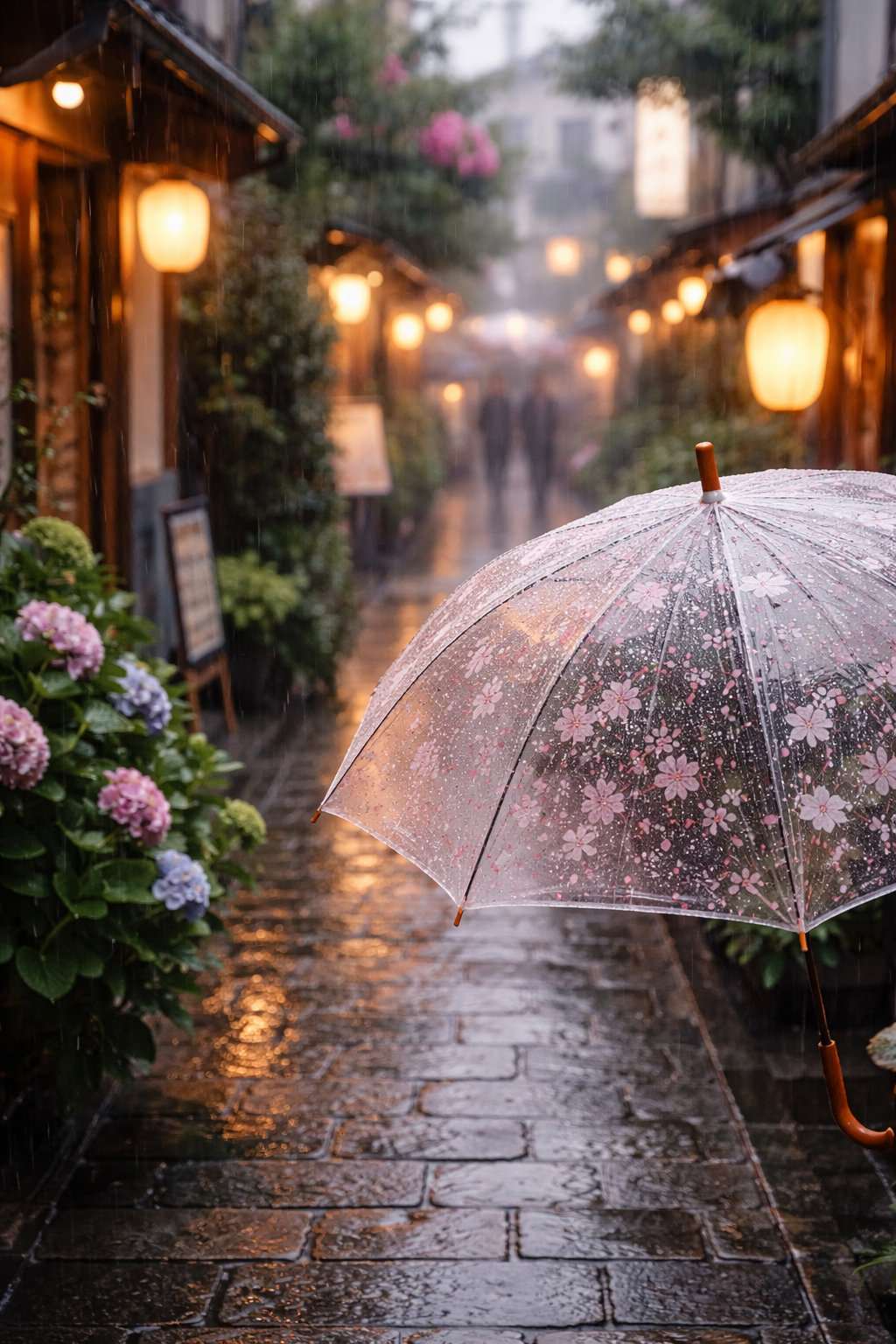
Umbrellas are a good example. In many places, umbrellas are ugly necessity. In Japan they can still be practical, but they also feel like part of the city’s emotional grammar: clear plastic domes, elegant handles, careful umbrella stands, little habits around entryways and shared spaces.

Rain is easier to bear when the culture has evolved so many small behaviors and objects to make it navigable. This is one of the recurring emotional themes in Japan: inconvenience is not always removed, but it is often softened.

Softening is one of the surest ways to win affection.

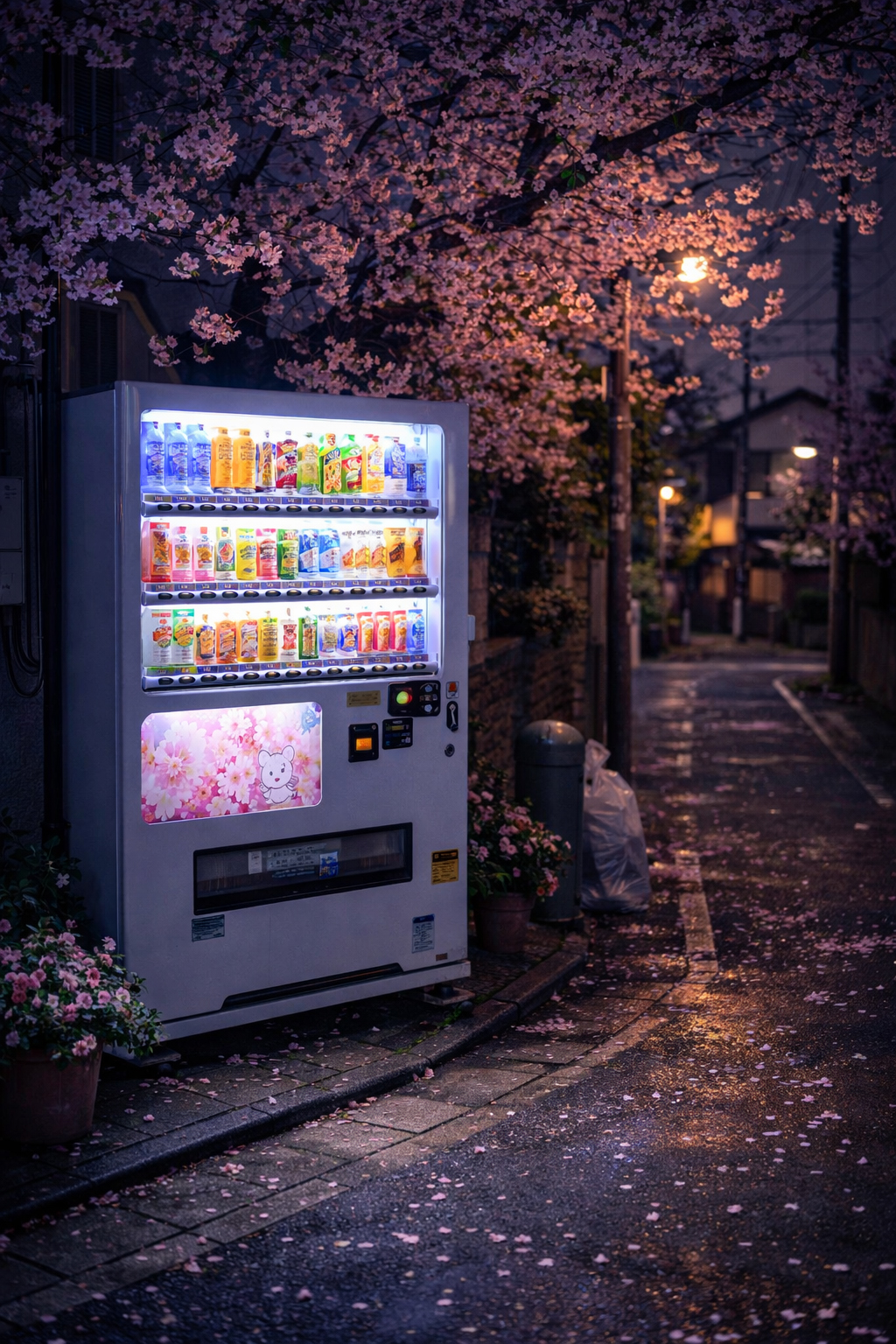
A glowing vending machine at night in Japan
Tiny urban kindnesses

Even the city’s mechanical parts can feel companionable

A vending machine at night. A station melody. A convenience store still glowing after the neighborhood has quieted. A heated seat. A public sign that manages to be informative without becoming aggressive.

These are small things, but they help create a city that feels less hostile than it might have. One reason people grow attached to Japan is that the environment often seems to provide small points of reassurance at the right moment.

Not enough to change the whole world. Enough to change the feeling of the next five minutes. That is often all the heart needs in order to begin yielding.

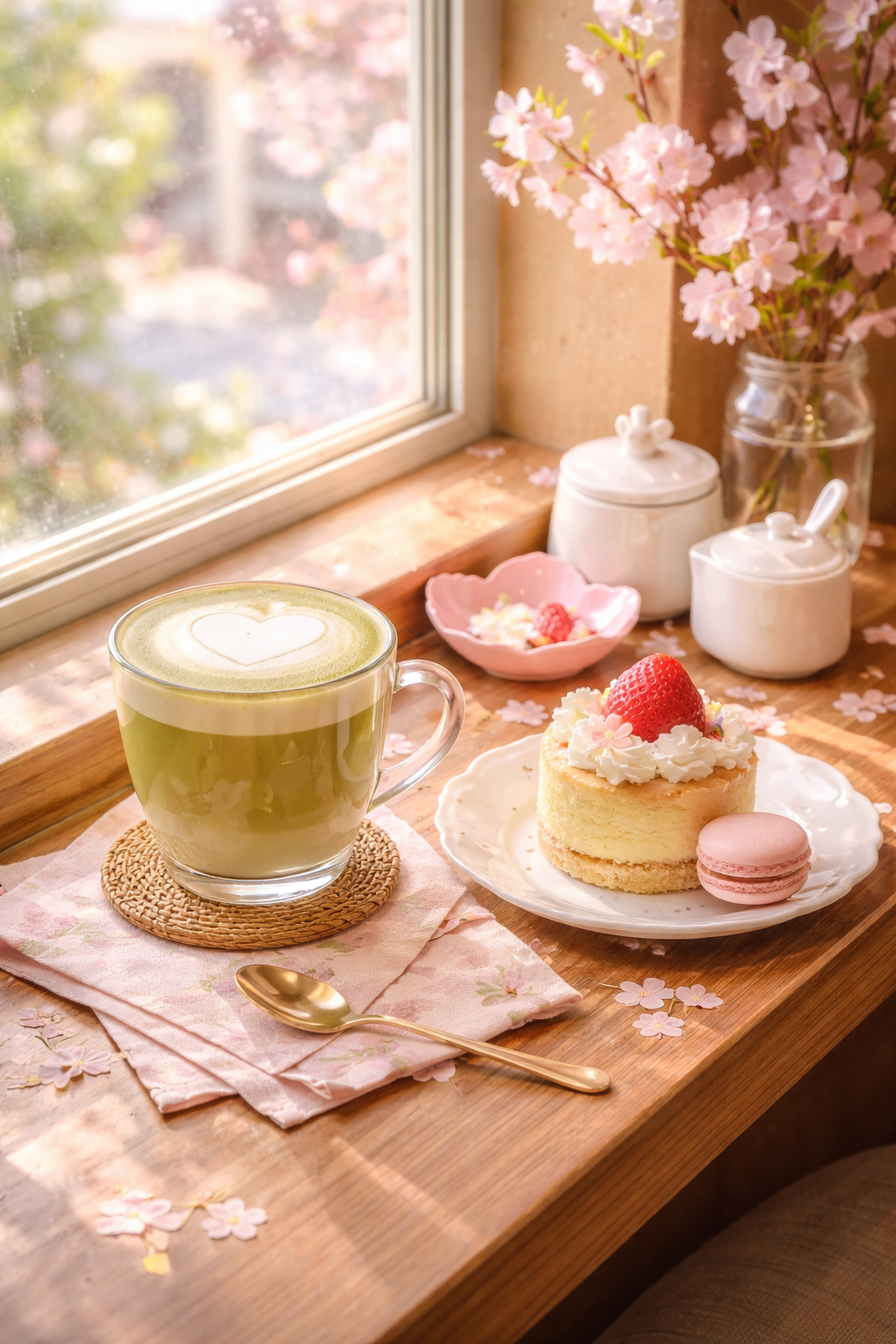
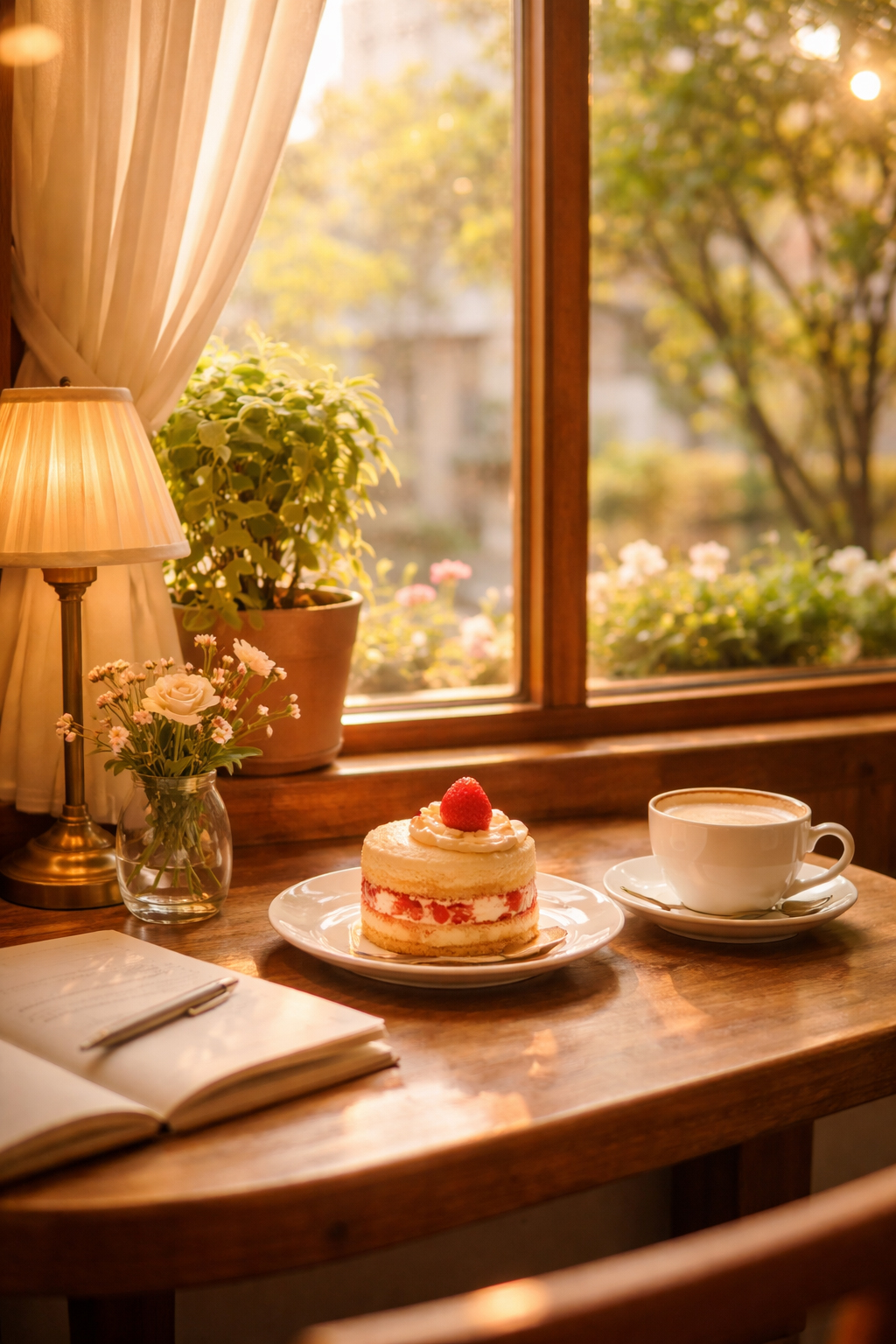
A calm cafe seat and drink in Tokyo
The café as micro-refuge

Small pauses are treated as worthy experiences

Tea, coffee, parfait, toast, a seasonal drink, a little table by the window. Japan is particularly good at making the brief pause feel complete. The cup is right. the room is considered. the napkin is pleasant. the dessert looks calm. the moment seems to know what it is supposed to do for you.

A small pause handled well can win a disproportionate amount of love. It creates the sense that a place respects recovery, slowness, and minor replenishment.

People remember places that know how to take care of the part of them that gets tired in ordinary ways.

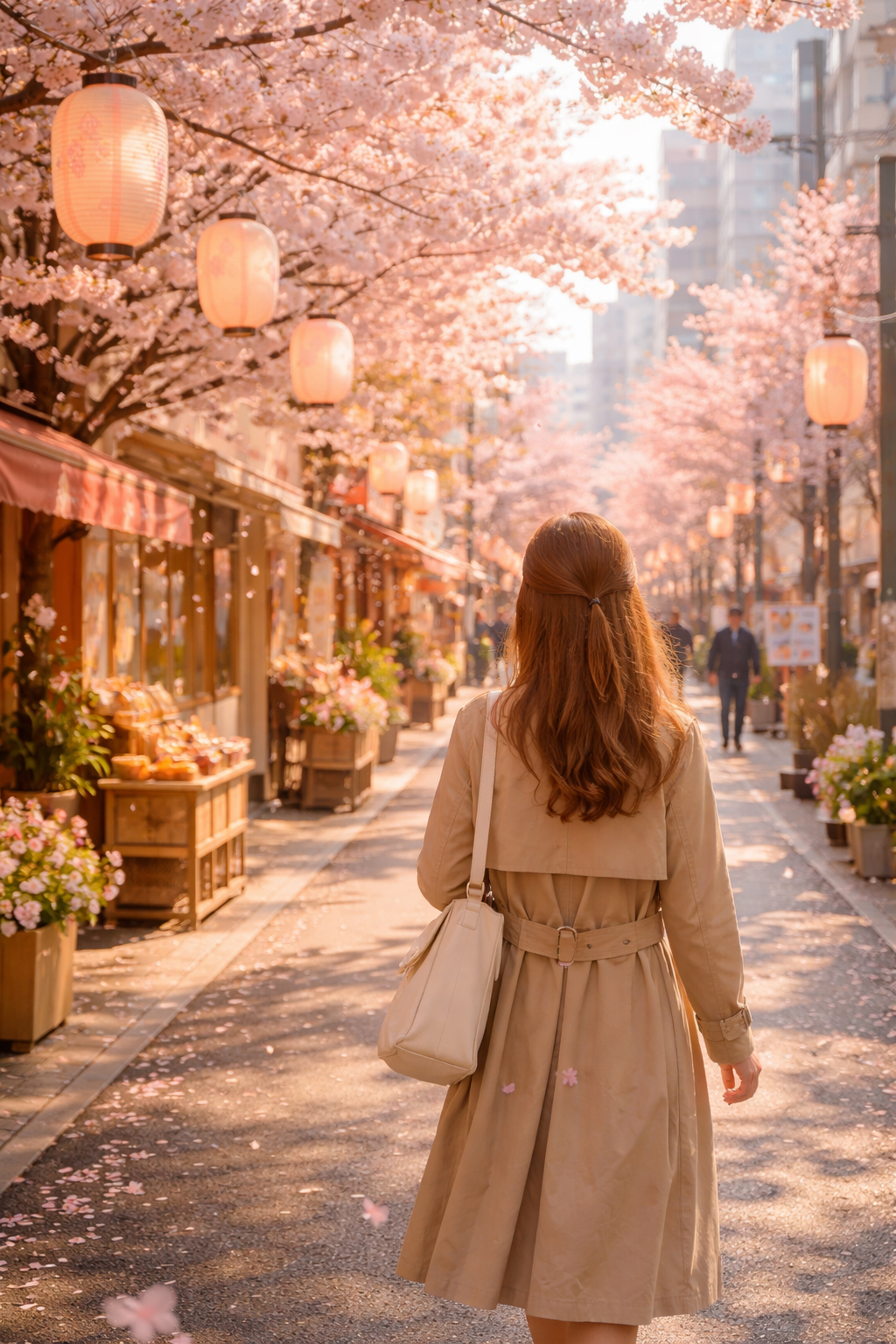
Seasonal beauty on a city walk in Japan
Seasonality in miniature

The calendar appears in small objects before it appears in major events

One of Japan’s loveliest habits is to let the season become visible in details: drinks, snacks, stationery, shop windows, gift wrapping, flowers near the register, temporary sweets, tiny motifs printed on paper.

This means the year arrives in little whispers. You do not need a giant festival to know spring is close. Sometimes you know because a convenience store suddenly looks more strawberry-minded, or because sakura has entered the packaging of something humble.

Small seasonal signals create emotional continuity. They teach you that time is not only counted. It is textured.

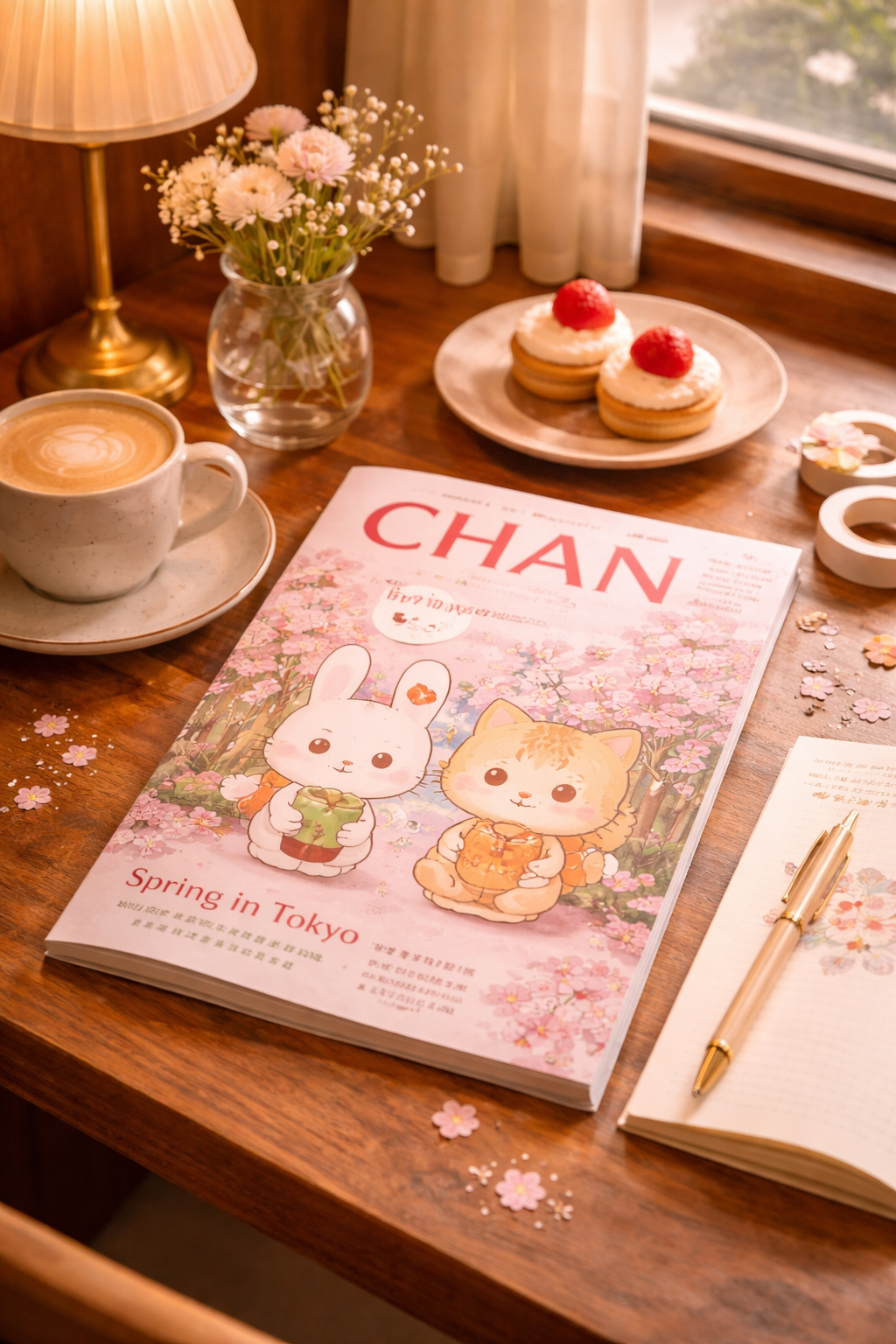
A cozy Japanese table with printed materials and everyday objects
Politeness at human scale

Small courtesies make daily life feel less abrasive

A tray placed beneath your change. A careful bagging gesture. A modest verbal acknowledgment. A shop clerk handling a purchase neatly rather than carelessly. A brief bow. The way an item is passed to you rather than tossed into your possession.

These moments are tiny, but they alter the social texture of a day. They do not necessarily mean intimacy. They mean friction reduction. They mean the interaction was not allowed to remain fully raw.

Over time, such courtesies accumulate into atmosphere. And atmosphere is often what the heart remembers long after details have blurred.

Cute everyday objects and Japanese lifestyle mood
Permission to like little things

Japan often lets tenderness remain public

A small charm on a bag. A cute notebook. A mascot on packaging. A dessert decorated with more care than necessary. A keychain that exists only to be delightful.

One of the ways Japan wins hearts is by leaving more room than many places do for affection toward minor beauty. You are not always asked to harden up, simplify, or strip away softness in order to be taken seriously.

This matters more than it first appears to. It allows tenderness to remain in circulation. And places that allow tenderness to circulate tend to become beloved.

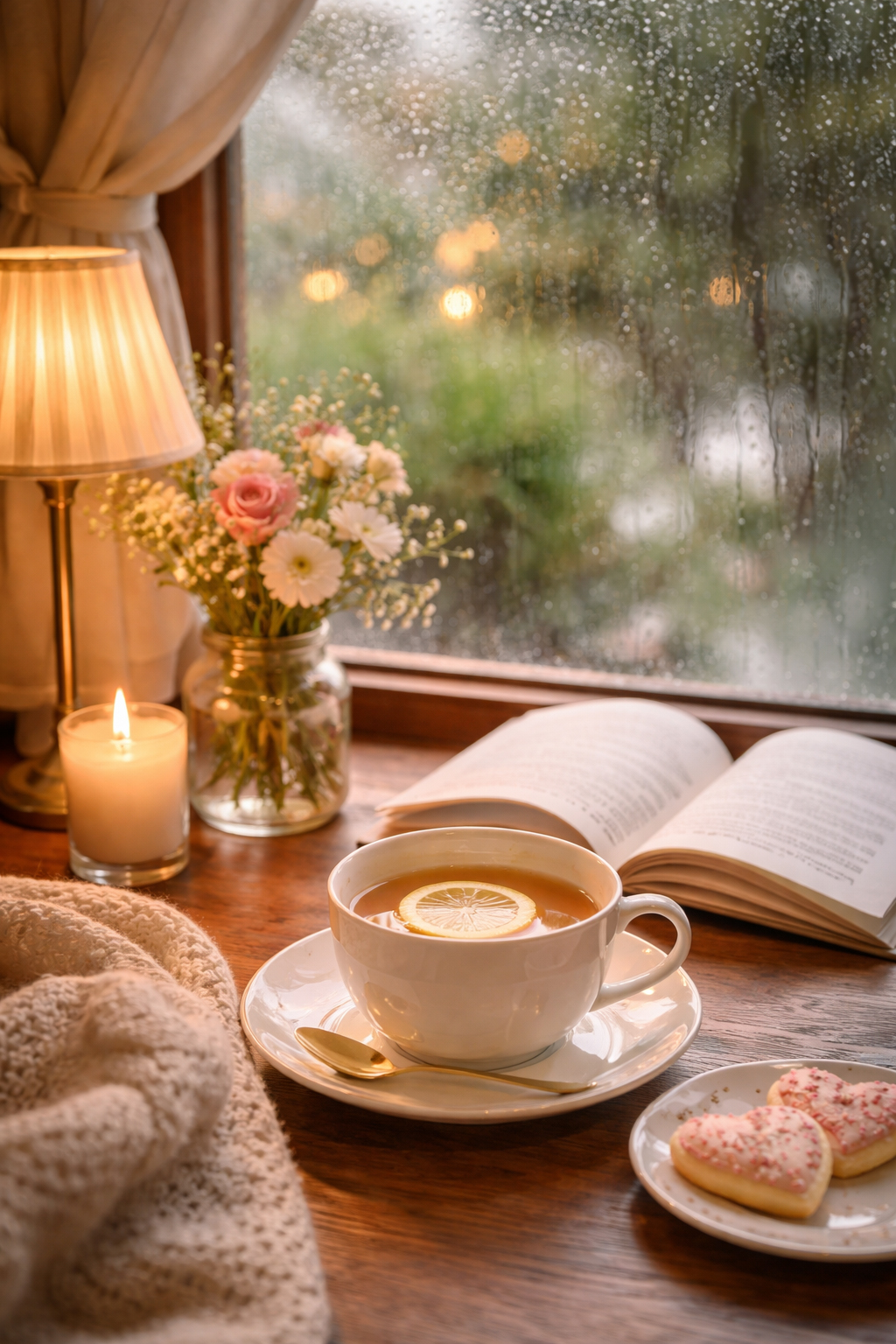
A rainy window and teacup conveying quiet reflection
The emotional truth beneath it all

Small things win the heart because they prove a place has been paying attention

That may be the deepest explanation. Attention is one of the most persuasive emotional forces in the world. To be carefully considered feels good whether the source is a person, a room, a tool, or a wrapped sweet.

Japan often communicates attention through scale. The object fits. The ritual works. The sequence is pleasant. The season is acknowledged. The design does not insult the user’s senses.

When enough of these details accumulate, the heart draws its own conclusion: something here is trying, in many small ways, to make the ordinary more livable. Love often begins there.

Big things may impress us.
Small things are what convince us that a place might actually care how it feels to live inside it.

How the heart notices

Three ways little details become lasting affection

The emotional effect is usually gradual, but it is rarely weak.

Colorful small Japanese objects
They accumulate

No single detail has to do all the work

Affection grows because one pleasant thing is followed by another, then another, until the whole day feels subtly better designed than expected.

Small Japanese food details and packaging
They are usable

The beauty is not trapped behind glass

A snack, a pen, a bag, a cup, a folder, a sign, or a station melody lives inside ordinary time. It accompanies you instead of asking only to be admired.

Thoughtful paper and writing tools in Japan
They feel intentional

Even little things seem imagined in advance

People notice when the hand, the eye, the mood, and the season all seem to have been taken into account before an object or interaction reaches them.

A quiet theory

Japan wins the heart through scale.

Not because everything is small. But because so many things are designed at the scale of actual daily life.

The hunger you have right now. The notebook you carry every day. The weather you are walking in. The package you open in ten seconds. The train ride between appointments. The small tiredness that asks for tea.

When a culture takes these scales seriously, affection begins to form almost automatically.

everyday grace little objects small courtesies quiet affection
Travel lesson

Do not evaluate Japan only through major attractions

Pay attention to receipts, wrappers, trays, pens, signs, umbrellas, café spoons, station sounds, and convenience store rituals. The emotional education is often there.

Design lesson

Thoughtfulness often matters more than luxury

Many of the details people love most are not expensive. They are simply well considered, well proportioned, and well timed.

Emotional lesson

The heart is persuaded by repetition

A place wins you not by one dramatic act, but by repeatedly making ordinary life feel a little kinder than you expected.

A warm gentle Tokyo cafe light scene
Closing note

Maybe that is why people struggle to explain why Japan stays with them. The real answer is often made of things too small to summarize elegantly.

A cup placed carefully. A box that opens well. A page that receives ink kindly. A station melody. A rainy umbrella stand. A little seasonal sweet. None of these are enough on their own. Together they become a form of emotional evidence. They tell you, quietly, that life here has been considered at the scale where people actually live it.