Tokyo features

The Softer Side of Tokyo

Tokyo is often introduced through scale. The crossings, the stations, the towers, the crowds, the screens, the speed. People arrive expecting a city of intensity, and Tokyo is happy to prove it can be one.

But that is only one register. Beneath the size and the voltage, Tokyo has another language: smaller, quieter, more attentive. It lives in side streets, café windows, stationery counters, wrapped sweets, rainy afternoons, neighborhood shrines, little parks, old houses, flower shops, and the careful handling of ordinary things. This is the softer side of Tokyo — the part that does not shout, yet often wins the heart more completely than spectacle does.

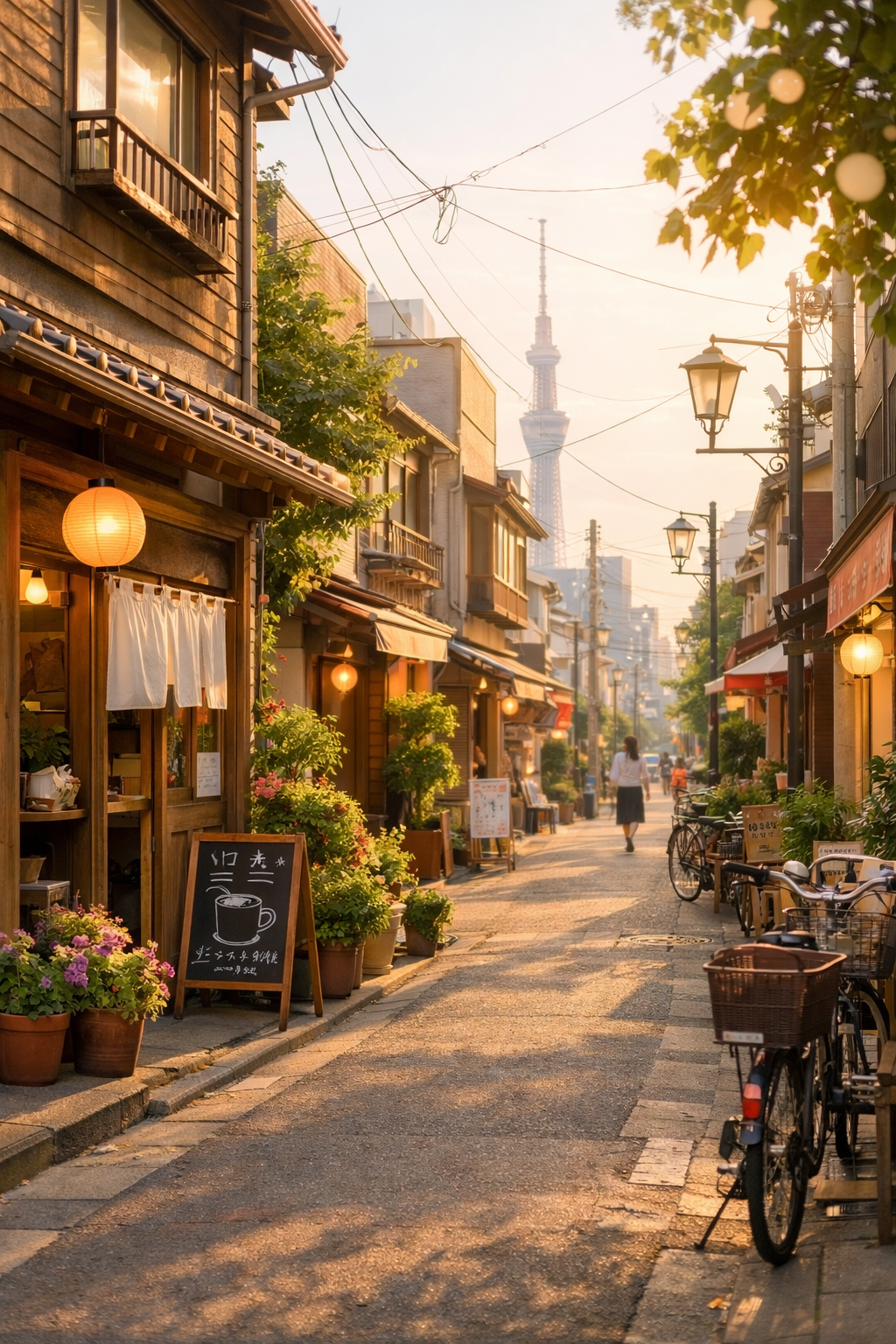
A soft afternoon street scene in Tokyo
Feature mood quiet streets, warm windows, small rituals, seasonal detail, soft design, and the emotional gentleness hidden inside a giant city
Best for readers who want to understand Tokyo not only as a metropolis of excitement, but as a city of tenderness and careful everyday beauty
A soft beginning

Tokyo becomes gentler the longer you let it speak.

This is one of the city’s quiet miracles. At first Tokyo can feel overwhelming because it presents so much surface at once. Brightness. signage. transit. scale. options. It can seem like a city designed to keep you moving quickly, eyes wide, nervous system fully engaged.

But if you stay a little longer, or simply look a little differently, another Tokyo begins to appear. A neighborhood lane with potted plants. A tea spoon placed just so. A station concourse that becomes strangely comforting in bad weather. A convenience-store dessert that feels more considered than it needs to. A tiny café room where the light is better than your thoughts were fifteen minutes earlier.

The softer side of Tokyo is not hidden because it is rare. It is hidden because intensity gets noticed first. Softness takes a little more patience. It asks for slower seeing. But once you tune to it, you realize the city has been offering this gentler frequency all along.

Chan-chan note
One reason people grow emotionally attached to Tokyo is that the city often proves far kinder in ordinary life than its global image suggests.
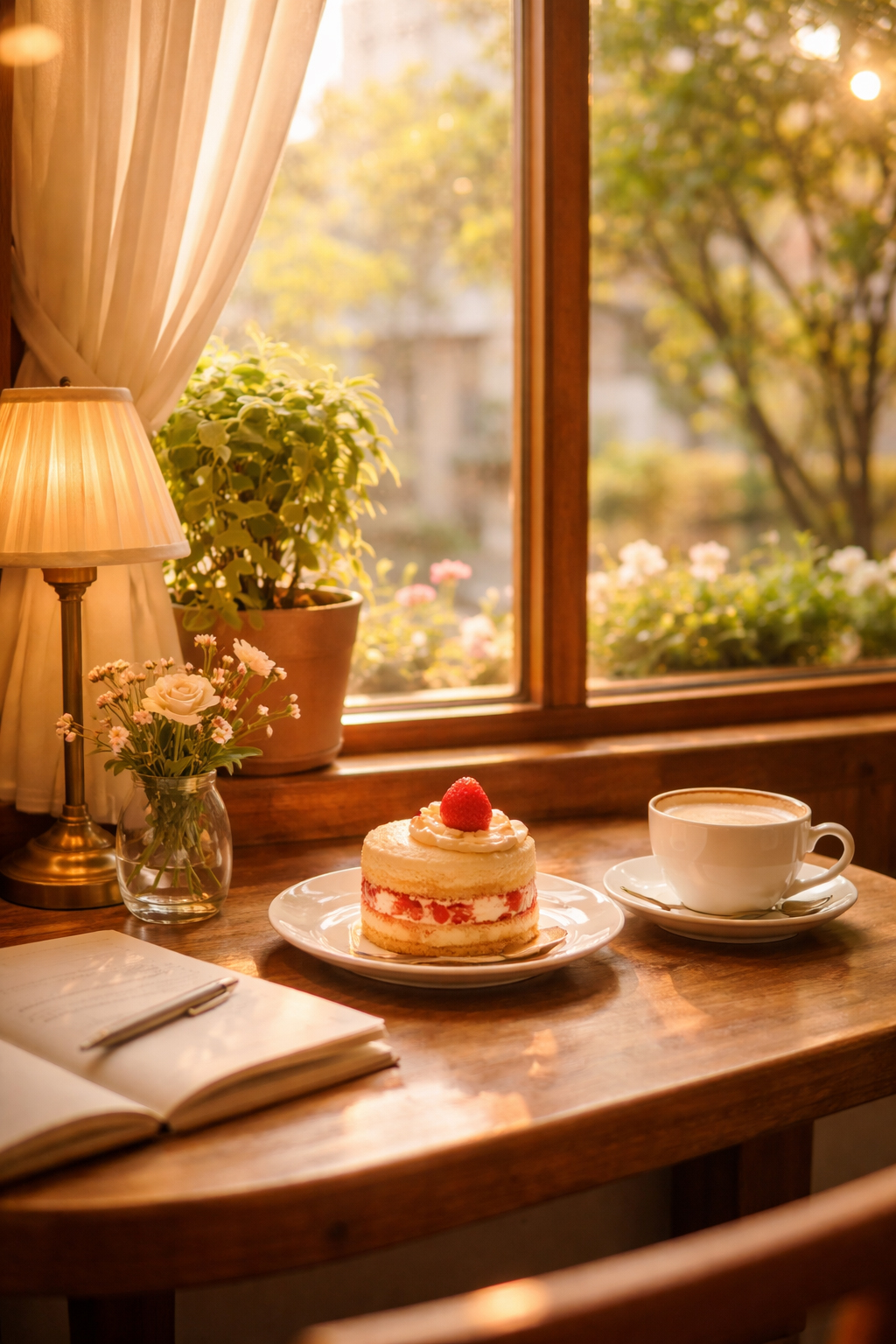
A warm cafe window light scene in Tokyo
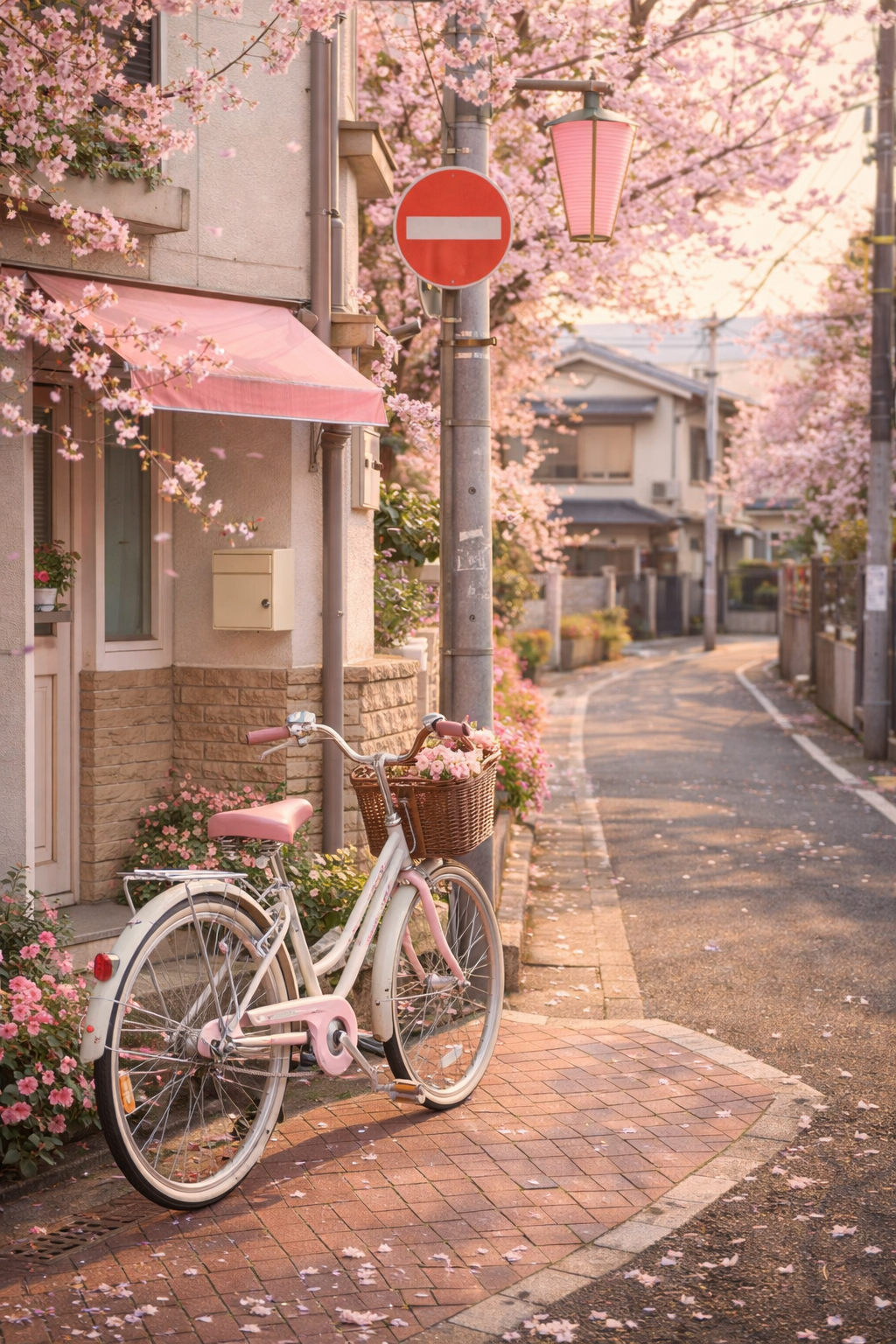
A quiet neighborhood bicycle corner in Tokyo
The softer city

Where Tokyo’s gentleness actually lives

Not only in one neighborhood, one style, or one season — but in recurring acts of attention.

A small neighborhood scene in Tokyo
Neighborhood scale

Tokyo is still a city of little streets

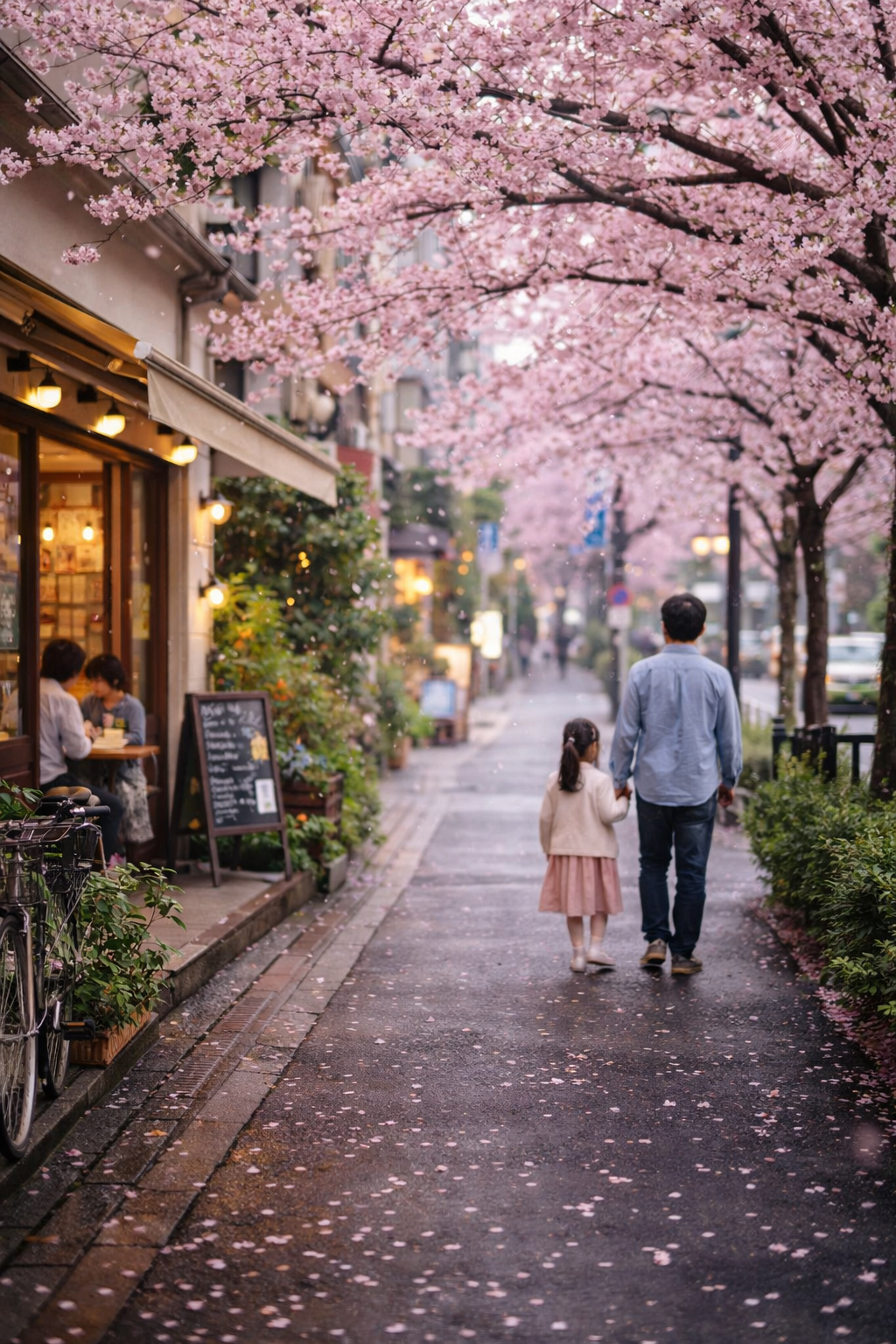
One of the biggest surprises for people who know Tokyo only through media is how often the city resolves into human scale. Behind the stations and big roads are narrow lanes, quiet residential blocks, tiny storefronts, planters, bicycles, handwritten signs, and houses standing close enough to make domestic life feel legible from the street.

These smaller urban grains matter. They make Tokyo feel less like an abstract machine and more like a place where actual daily life has texture. A giant city becomes lovable when it repeatedly offers places where the body does not feel dwarfed.

This is one of Tokyo’s great balancing acts: it can overwhelm you publicly and comfort you privately, sometimes within the same ten-minute walk.

Rainy Tokyo window and teacup
Weather and refuge

Rain does not only inconvenience Tokyo. It tenderizes it.

On rainy days, many cities feel merely disrupted. Tokyo often feels softened. Umbrellas appear like moving translucent rooms. windows become warmer. covered shopping streets become more intimate. station interiors become reassuring rather than impersonal.

Rain sharpens the city’s gift for refuge. A cup of tea, a bakery, a little museum, a quiet café table, even a convenience store can suddenly feel emotionally important. The city becomes less about conquest and more about shelter.

This is part of Tokyo’s softness too: it often knows how to answer discomfort with nearby forms of care.

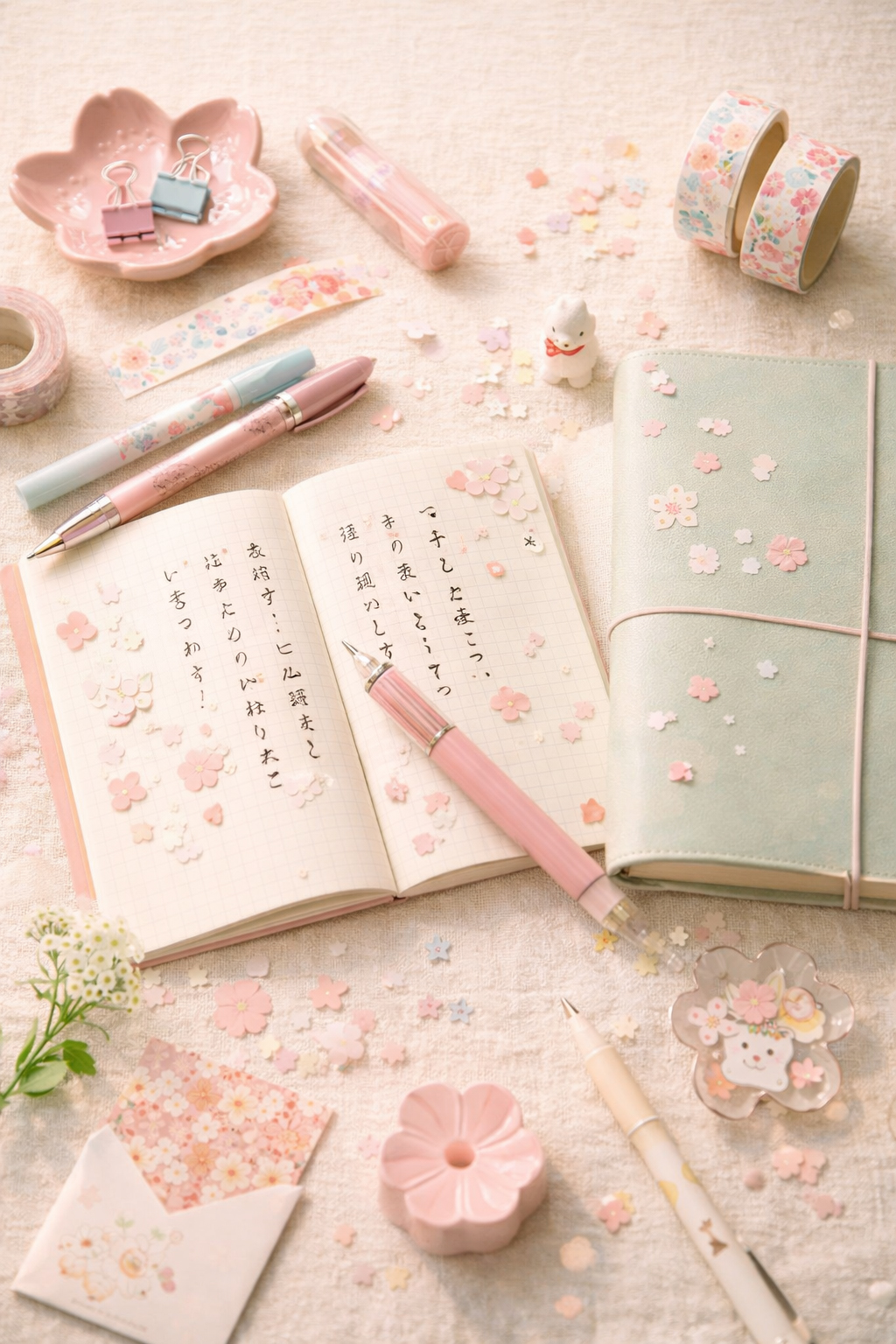
Japanese stationery and small thoughtful objects
Objects that understand hands

Tokyo’s softness often arrives through things made well

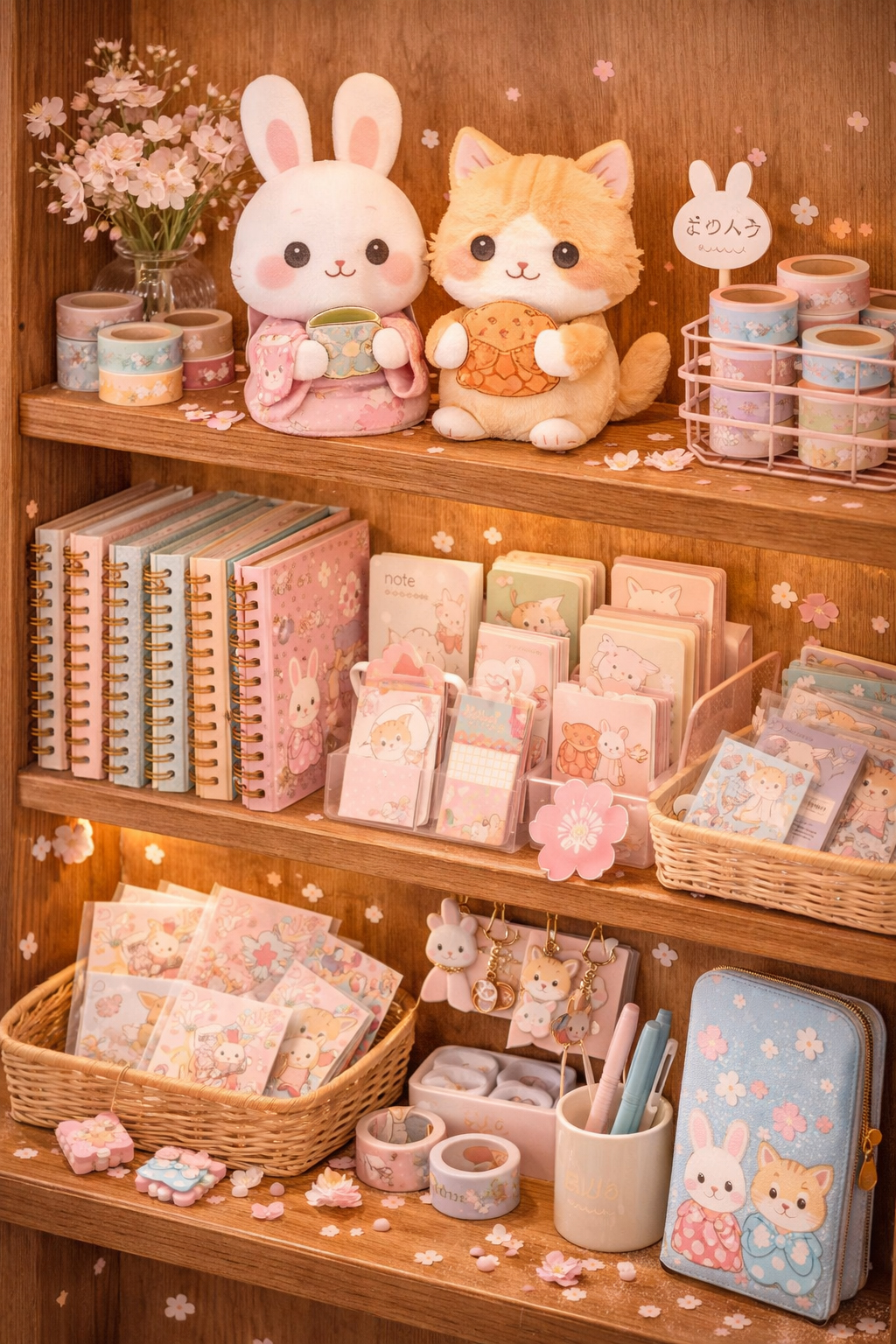
Stationery is a good example. A notebook opens flat. a pen moves cleanly. a tiny clip solves an annoyance. a folder fits the bag. These are small things, but they create a city in which usefulness is not separated from care.

The same is true in many other categories: packaging, umbrellas, bags, paper goods, dessert boxes, little household tools. Tokyo is part of a broader Japanese culture that often treats practical objects as emotional surfaces.

When everyday tools are handled with this much attention, daily life becomes slightly less abrasive. That reduction in abrasion is one of the deepest forms of urban softness.

A calm cafe seat in Tokyo
Café culture as emotional infrastructure

Tokyo is unusually good at making pauses feel complete

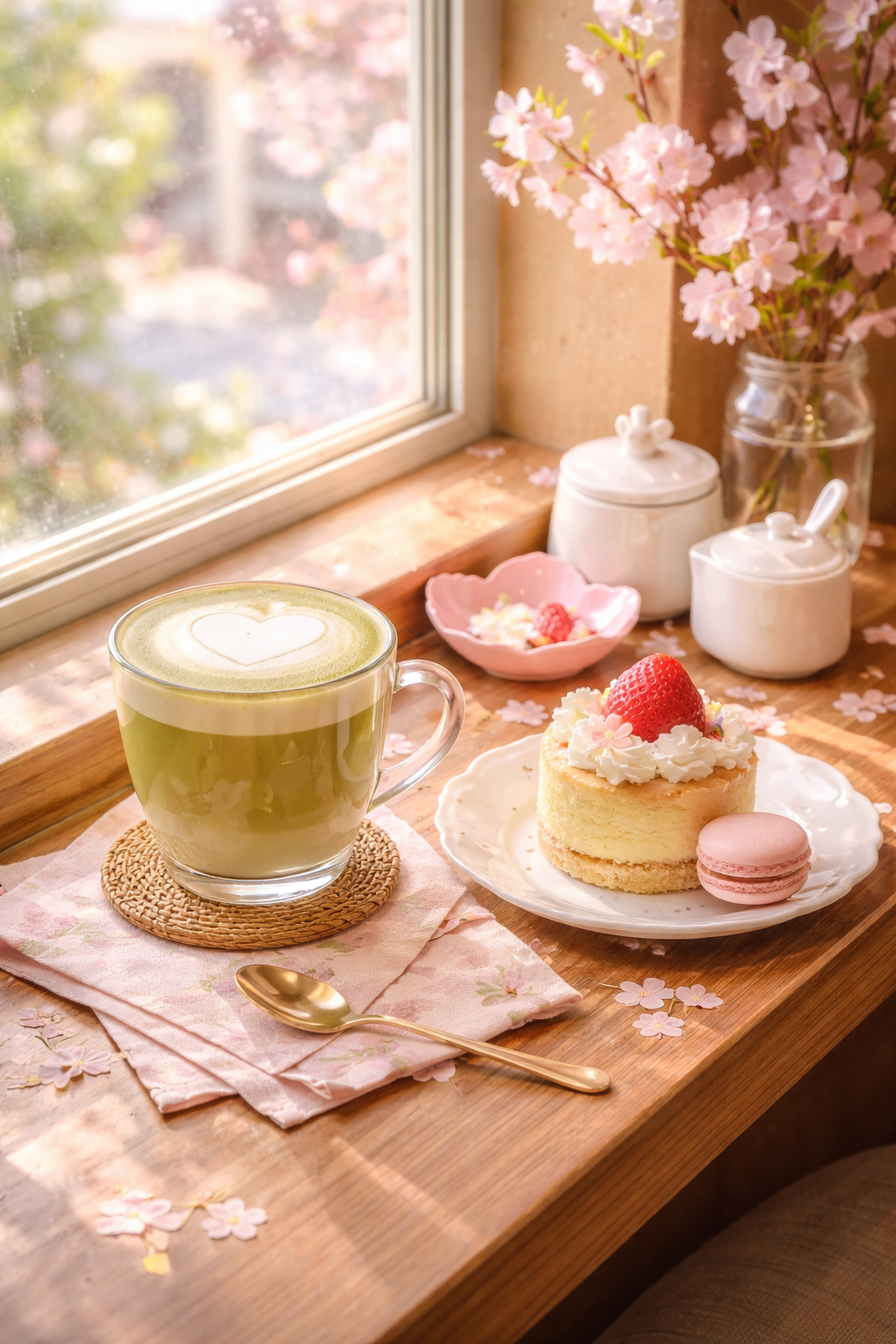
A café in Tokyo can be tiny, polished, playful, retro, hidden, floral, serious, neighborhood-like, or almost ceremonial. What many of the city’s most memorable cafés share is a respect for the pause itself.

A stop for coffee or tea is not always treated as mere fuel. It can be a recalibration. A change of light. A private room borrowed briefly from the city. The softer side of Tokyo depends on these interiors more than people realize.

If Tokyo’s public face is motion, its café face is permission to feel time loosening. That matters enormously in a city so often described through speed.

Beautiful convenience store sweets in Japan
Minor hunger, treated seriously

Softness often arrives through food that should be too small to matter this much

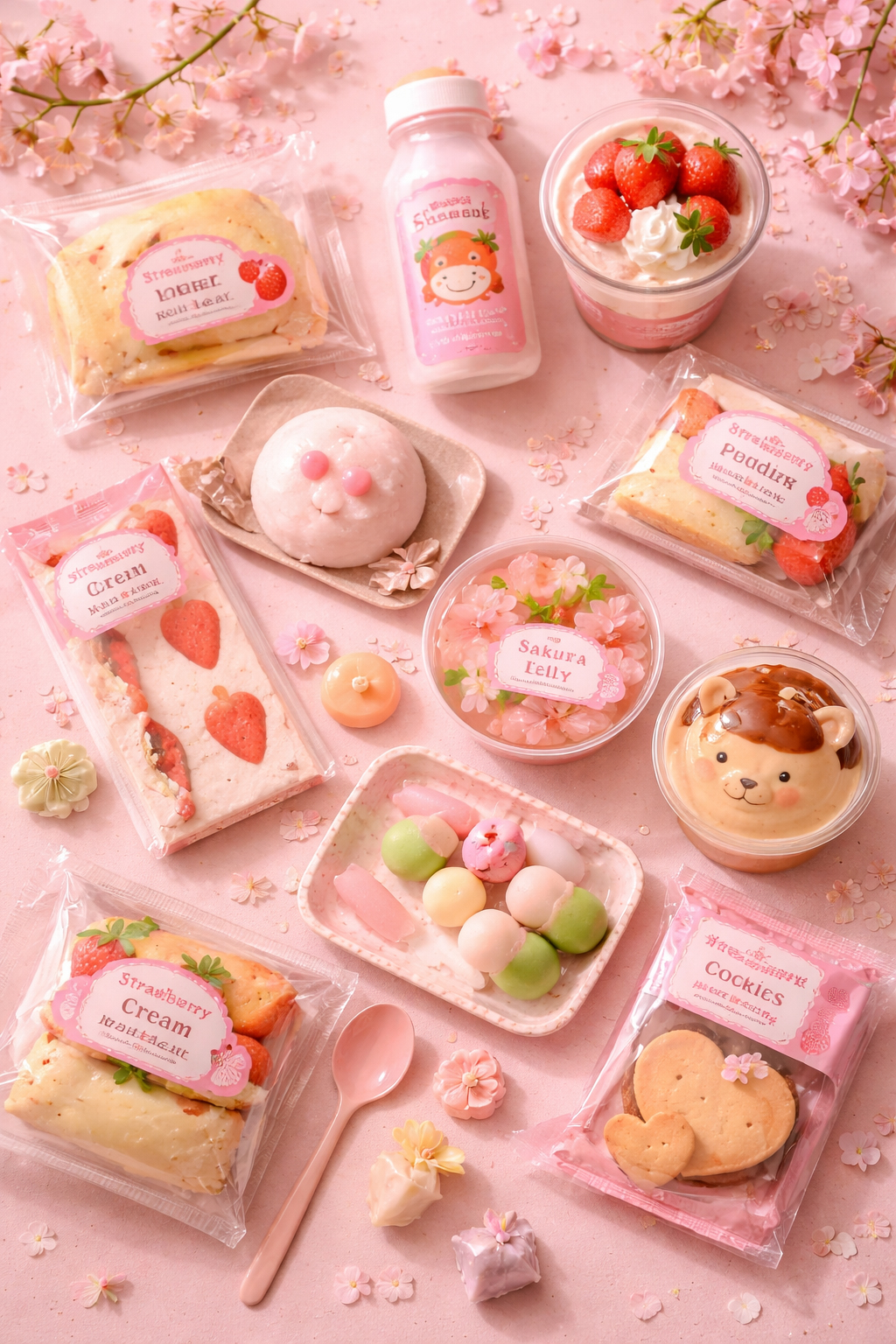
Tokyo is full of grand meals, but some of its most affectionate gestures are smaller: a convenience-store dessert, a fruit sandwich, a little seasonal drink, a wrapped pastry, a carefully boxed sweet from a department store basement.

These things matter because they suggest that ordinary appetite deserves beauty and intention too. A small pleasure is not dismissed as trivial. It is offered with form.

This teaches a very particular kind of softness: that comfort does not always have to be large or solemn. Sometimes it is just a good little thing at exactly the right hour.

Seasonal Tokyo softness in spring
Seasonality as tenderness

Tokyo’s softness is partly seasonal literacy

Tokyo often becomes gentler when viewed through the year. Spring is not only blossoms but anticipation. Rainy season is not only inconvenience but interiority. Autumn is not only leaves but a more elegant kind of longing. Winter is not only cold but light, tea, scarves, and clarity.

Because Japanese culture reinforces the calendar through food, packaging, displays, flowers, and clothing, the city’s emotional life becomes easier to feel. The season is not abstract. It enters the everyday visibly.

This makes Tokyo seem more emotionally articulate than many cities of comparable size. It knows how to place feeling in the air and then repeat it quietly across many small surfaces.

Cute and gentle shop details in Tokyo
Softness in public

Tenderness is allowed to remain visible

Kawaii culture, mascots, delicate packaging, character cafés, pretty stationery, and soft visual design all contribute to Tokyo’s gentler tone. They keep affection circulating in visible form.

This matters because many cities make public life feel emotionally armored. Tokyo can be highly structured, but it also permits little signs of sweetness to remain everywhere: on products, in shops, in municipal design, in everyday objects, in displays meant not only to sell but to charm.

The softer side of Tokyo is inseparable from this permission. It allows the city to be efficient without becoming emotionally barren.

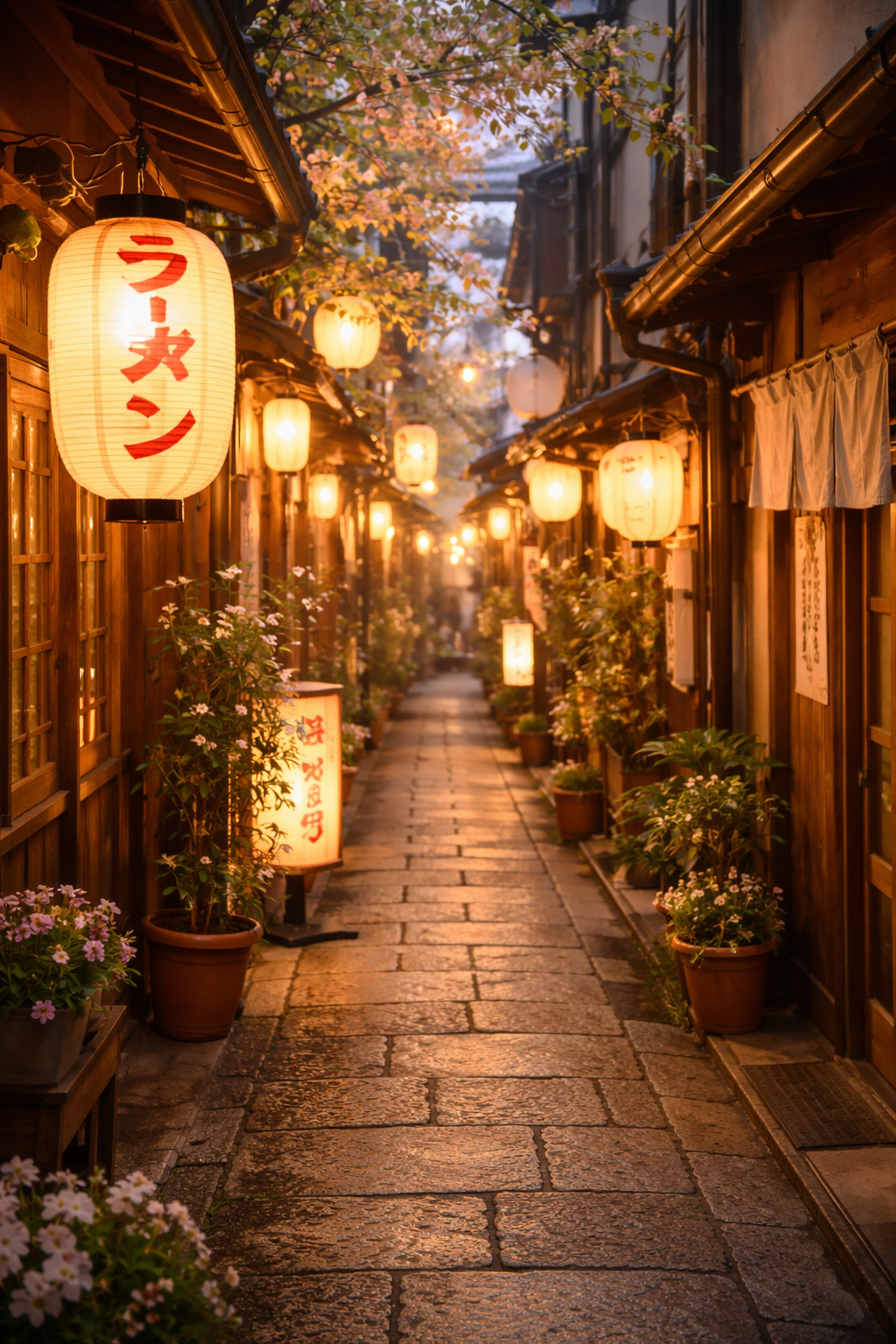
A soft evening lane in Tokyo
Evening grace

Tokyo often becomes most tender after the formal day is over

Evening is one of the city’s great emotional transitions. Offices empty. streets become more selective. little restaurants begin to glow. lanterns and signs feel less assertive and more companionable. a late walk home or between stations can carry an almost private atmosphere, even in the middle of the metropolis.

This is another face of softness: the city’s ability to move from productive energy into warm afterlight. Not every district does this in the same way, but many do it beautifully.

You realize, in those moments, that Tokyo is not only a place of crowds. It is also a place of rooms, corridors, and glowing edges.

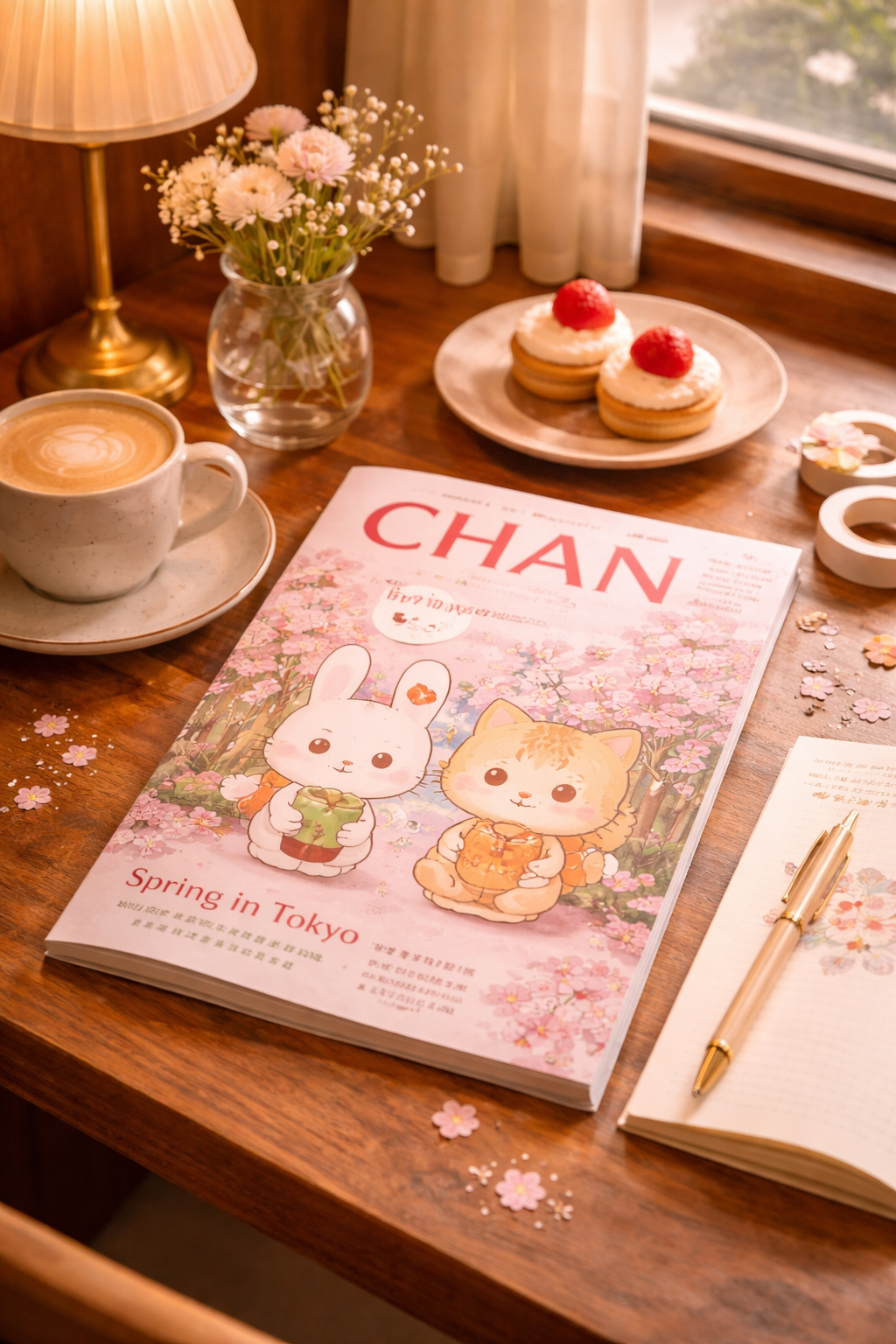
A cozy Tokyo table and reading atmosphere
The emotional truth

Tokyo’s softness comes from repeated acts of consideration

That may be the deepest explanation. The softer side of Tokyo is not one district or one aesthetic. It is a cumulative effect produced by many small acts of thought: the right paper, the right spoon, the right station sign, the right shelter from rain, the right seasonal sweet, the right little room in which to sit for half an hour.

A city becomes lovable when enough of these things align often enough that daily life stops feeling like a fight against the environment. Tokyo can still be tiring, expensive, crowded, contradictory, and hard. Softness here is not the absence of those things. It is the presence of counterweights.

And counterweights, repeated faithfully, are often what make a person stay emotionally open to a place.

Tokyo’s softness is not a correction to the city.
It is part of the city’s true grammar — just quieter than the parts most people notice first.

How to notice it better

Three ways to find Tokyo’s gentler frequency

The softer city appears more clearly when you adjust your habits of attention.

Rainy Tokyo tea and window mood
Slow down

Move at the pace where details can begin speaking

Side streets, shop windows, café interiors, stationery counters, and seasonal clues all disappear when the day is scheduled too aggressively.

Small Japanese food details
Trust small pleasures

Do not wait for major attractions to justify your feeling

In Tokyo, a sweet, a drink, a little museum, a station corridor, or a ten-minute café stop can become the most emotionally accurate memory of the day.

Quiet Tokyo neighborhood detail
Look between destinations

The softer city often lives in the in-between

The walk after the museum, the lane behind the shopping street, the moment before rain, the small shop near the station — these are often where Tokyo becomes most itself.

A quiet theory

What makes Tokyo feel soft is not innocence. It is attention.

The city is not naive. It is not simple. It does not escape modern hardness.

What it often does, instead, is notice where hardness can be buffered: by ritual, design, seasonality, scale, food, paper, light, shelter, sweetness, and small forms of order.

That is why its gentleness feels persuasive. It is not fantasy. It is architecture at the scale of the day.

small rituals quiet city daily grace urban tenderness
Travel lesson

Do not mistake softness for weakness

Some of Tokyo’s gentlest features are exactly what make the city more livable, more memorable, and more emotionally intelligent.

Design lesson

Softness can be engineered into ordinary life

The right packaging, the right station flow, the right tool, the right room, and the right ritual all change how a day feels in the body.

Emotional lesson

People often fall in love with places that reduce friction kindly

Tokyo’s softer side wins affection because it repeatedly makes the ordinary feel a little more bearable, a little more beautiful, and a little more cared for.

A warm closing cafe light scene in Tokyo
Closing note

Perhaps that is why Tokyo surprises people so deeply. They come expecting a city of force and find, waiting underneath it, a city of care.

A room by a window. A wrapped sweet. A rainy train ride. A little lane. A notebook. A flower counter. A station melody. None of these are large enough to explain Tokyo on their own. Together, they may explain why the city lingers in the heart so long after the noise has faded.