Tokyo features

The Emotional Calendar of Japan’s Seasons

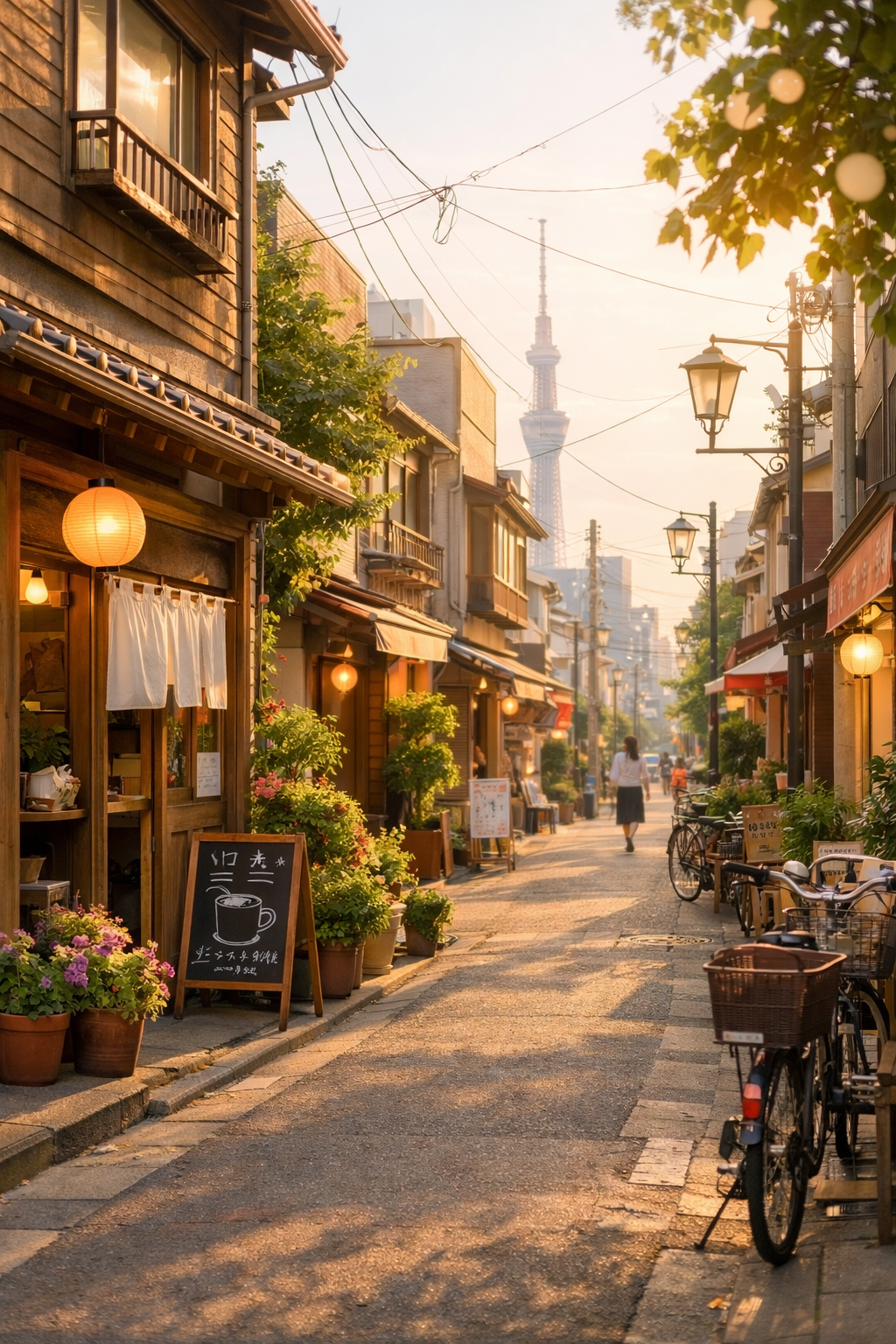
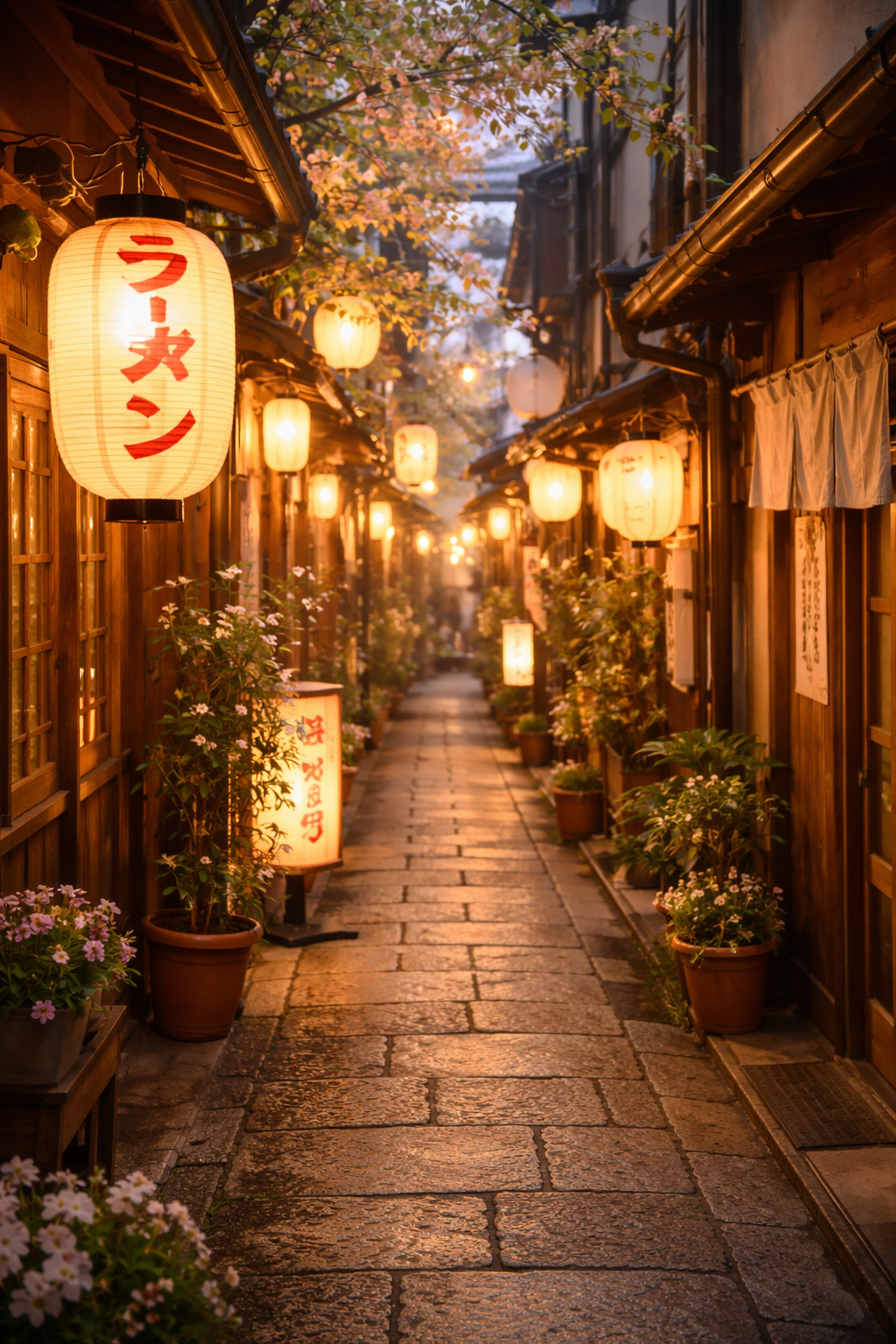
In some countries, seasons are mostly weather. In Japan, they often feel closer to a language. They shape food, clothing, flowers, colors, conversation, memory, travel, packaging, festivals, and the emotional expectations of a month before the month has even properly begun.

This is one reason Japan can feel so vivid. The year is not only divided by temperature. It is divided by feeling. Each season carries an atmosphere, and each atmosphere teaches people how to look at time a little differently.

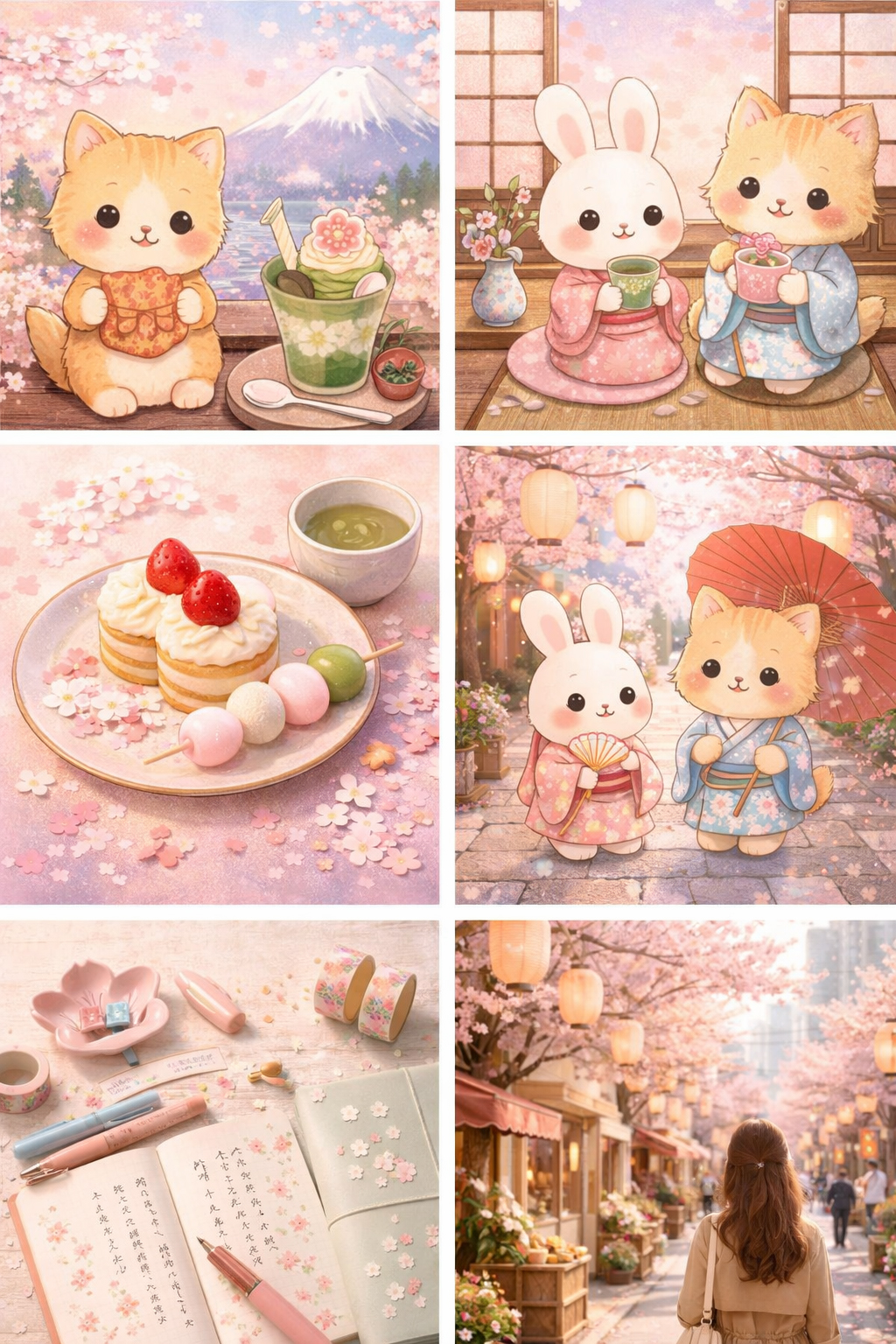
A collage of Japan's seasons and emotional moods
Feature mood seasonality, memory, tenderness, anticipation, and the changing emotional weather of the Japanese year
Best for readers who want to understand not only when Japan changes, but how those changes are felt in everyday life
A soft beginning

Japan does not only move through seasons. It listens for them.

One of the reasons Japan feels so emotionally legible to visitors is that the culture gives shape to transitions. A blossom is not only a blossom. It is a sign. Humidity is not only weather. It is a mood shift. The first cool breeze of autumn is not only relief. It is permission to feel a little more wistful.

This attention changes everything. It makes the year feel textured instead of flat. It teaches people to notice beginnings before they are complete and endings before they are fully gone.

In that sense, Japan’s seasons do not merely arrive. They rehearse themselves in public. They send little advance messages through sweets, displays, clothing, flowers, television ads, stationery, tea menus, and the changing conversation of ordinary life.

By the time the season is fully present, people have already been emotionally preparing to meet it.

Chan-chan note
To understand Japan more deeply, it helps to stop thinking of the year as a calendar and start thinking of it as a sequence of emotional climates.
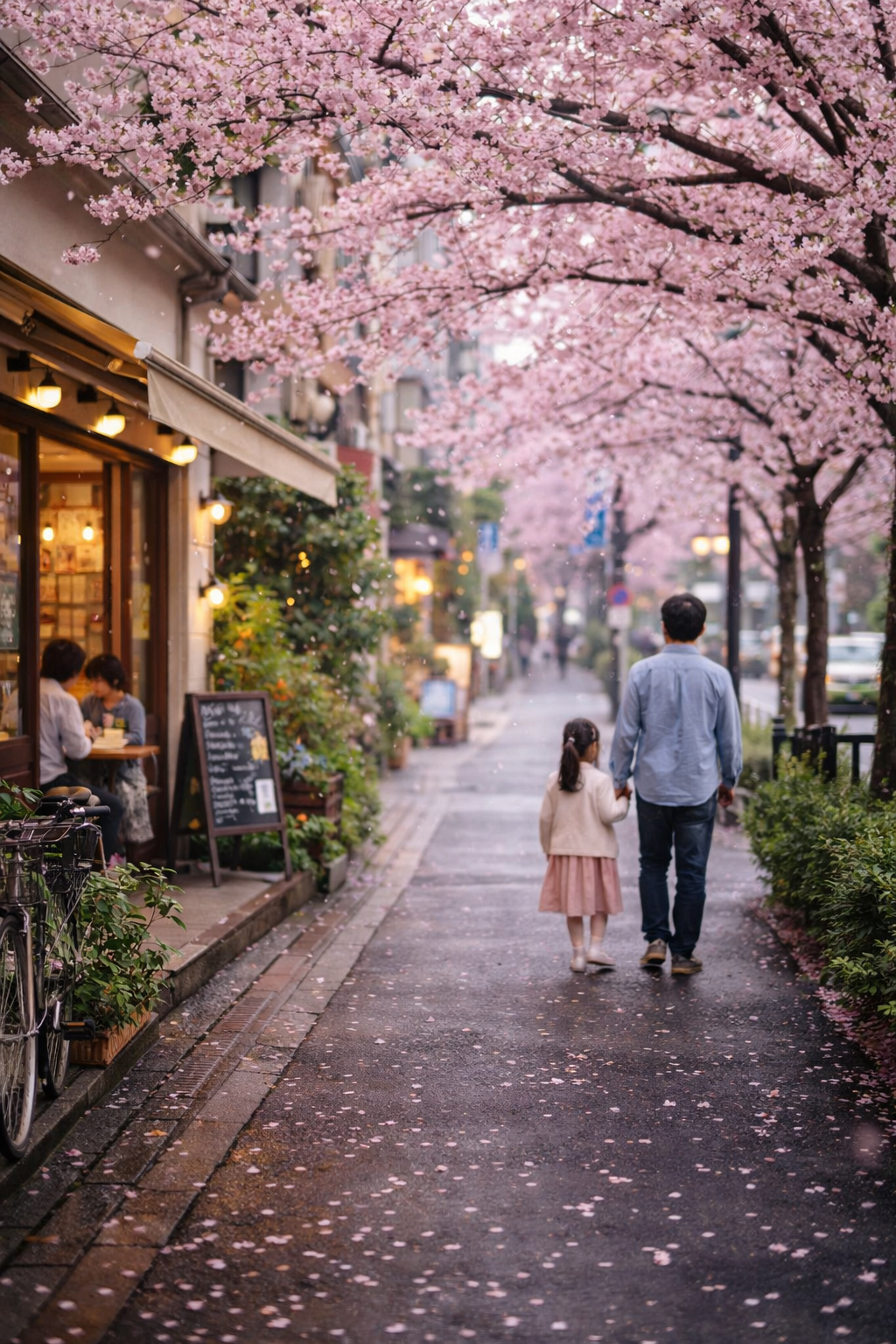
A spring sakura street scene in Japan
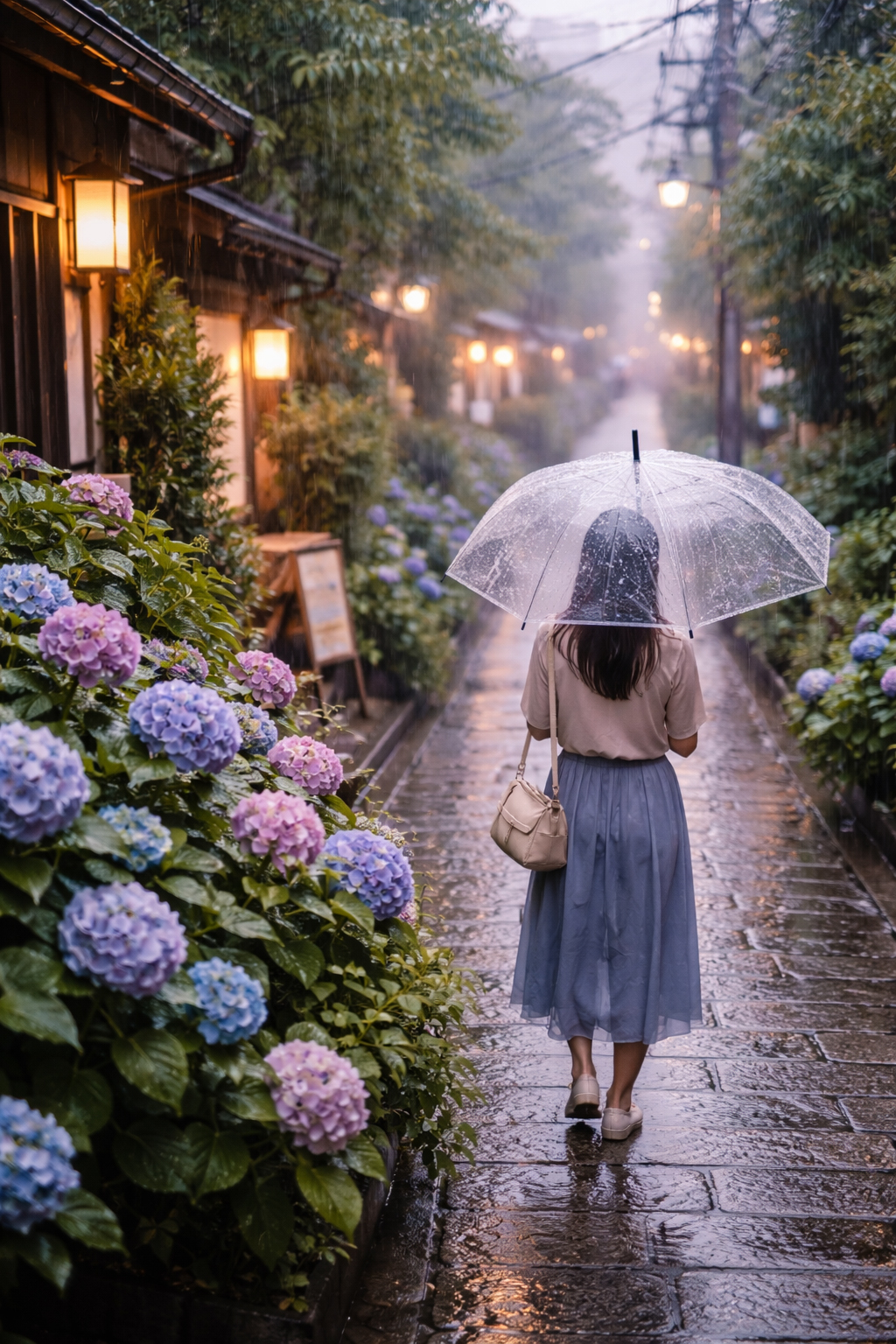
A rainy hydrangea street in Japan
The emotional calendar

How the year feels as it moves

Not just what happens. What it does to the heart.

Spring sakura mood in Japan
Early spring

The season of anticipation and soft beginning

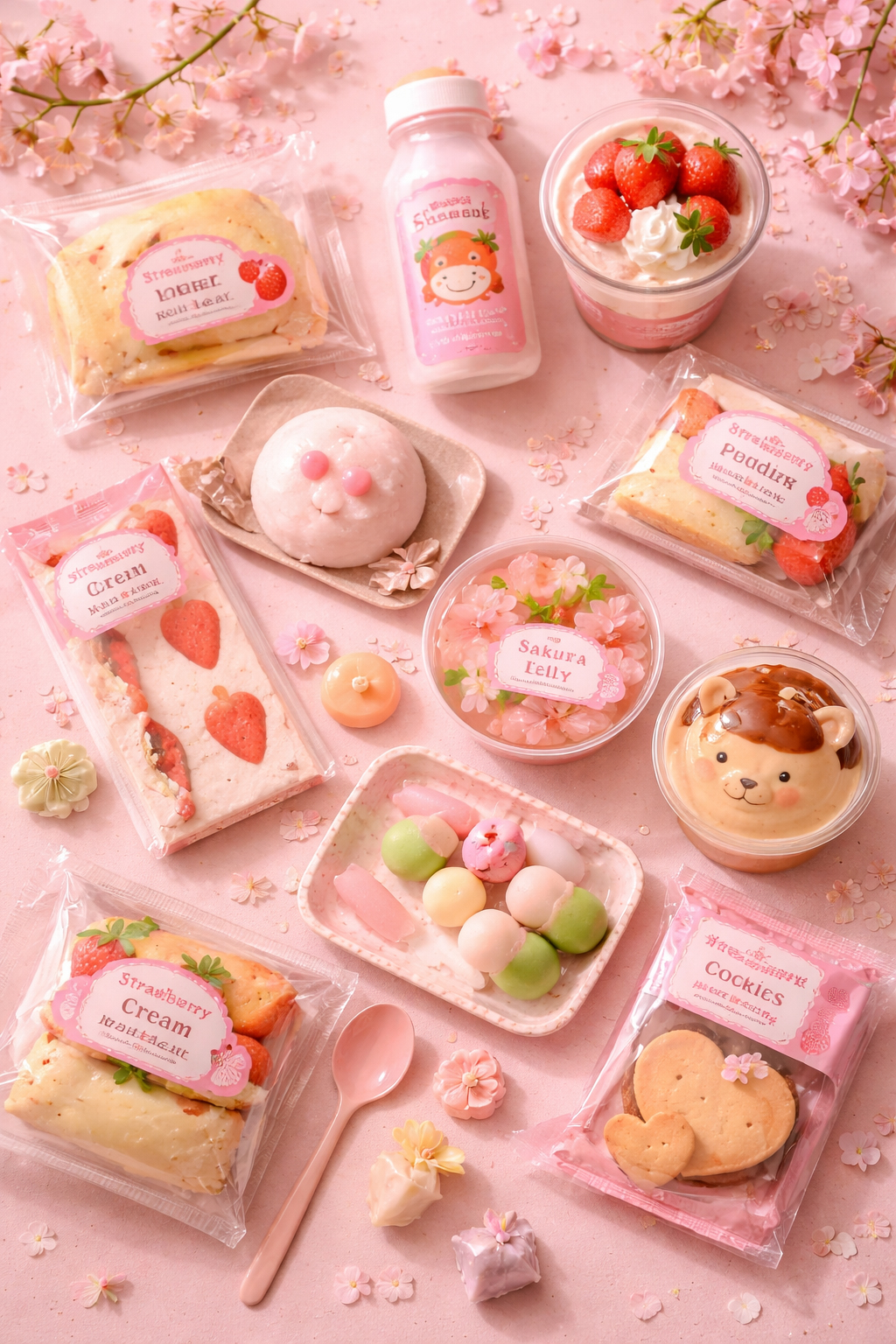
Before sakura is fully open, Japan already begins to lean toward spring emotionally. There is a sense of waiting, but it is not impatient waiting. It is a delicate form of readiness. Menus turn pink. convenience stores begin speaking quietly in strawberry. displays become lighter. a certain brightness enters packaging, café counters, and window arrangements.

This is a season of approach. The emotional tone is hopeful, but not yet exuberant. People are looking for the first signs: plum blossoms, slightly softer air, the possibility of a lighter coat, the first confirmation that winter is no longer in charge.

That is why early spring in Japan can feel so tender. It is less about arrival than about permission. Permission to begin again. Permission to expect more from the year. Permission to believe beauty is on its way.
Sakura season city walk in Japan
Sakura season

The season of beauty made temporary on purpose

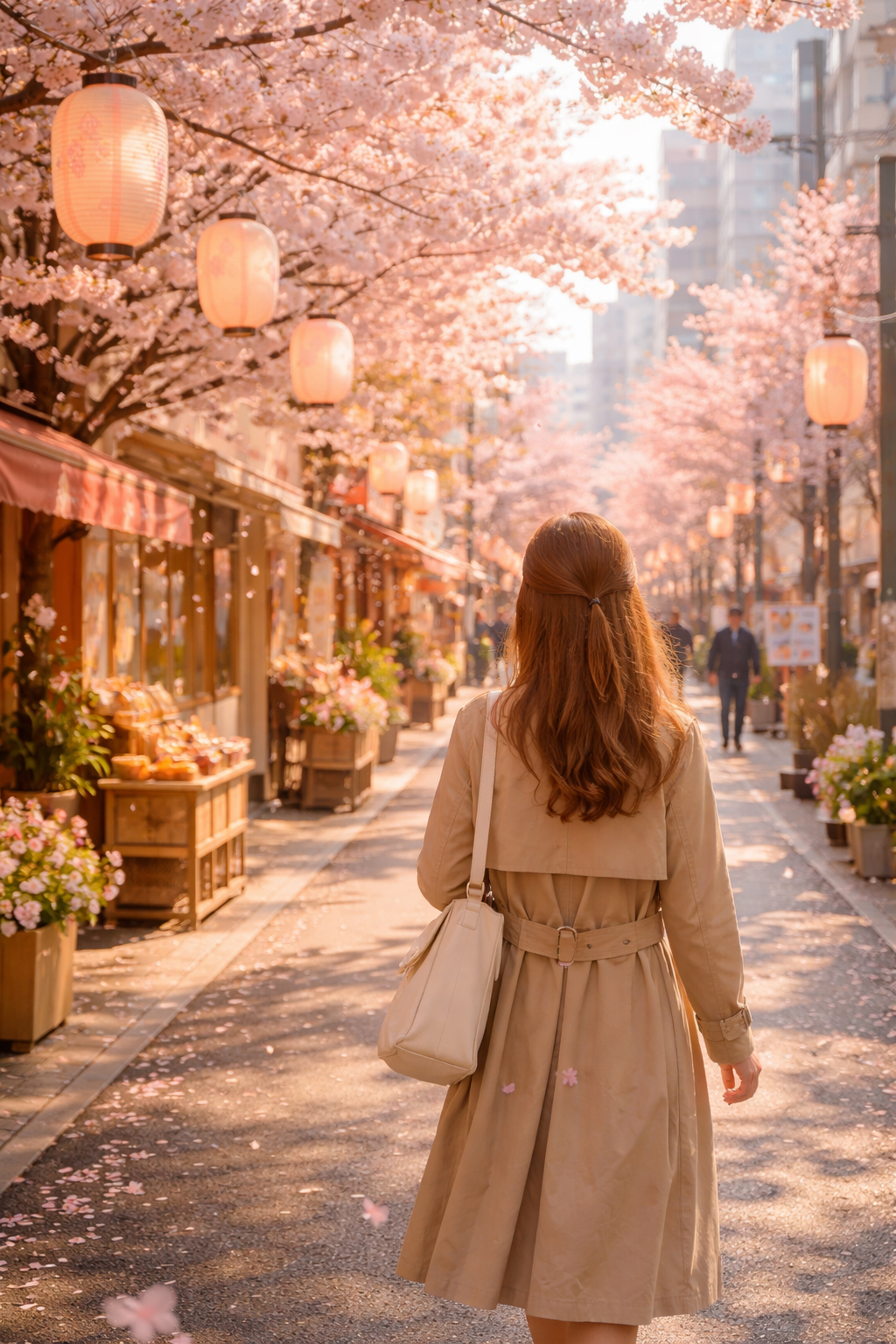
Cherry blossom season is not emotionally powerful only because the flowers are beautiful. It is powerful because everyone knows they will not last.

The blossoms create a rare public intimacy with impermanence. Streets, parks, riversides, schoolyards, and shrine paths all seem to say the same thing at once: look now. Be here now. This will vanish.

That ephemerality is central to the feeling. Sakura is not a static symbol of beauty. It is beauty in motion toward disappearance. That is why it can make people feel joyful and wistful at the same time.

In many places, spring is simply cheerful. In Japan, cherry blossom season often carries a more layered message. It is a celebration, yes, but also a lesson: what is loveliest may be what cannot stay.

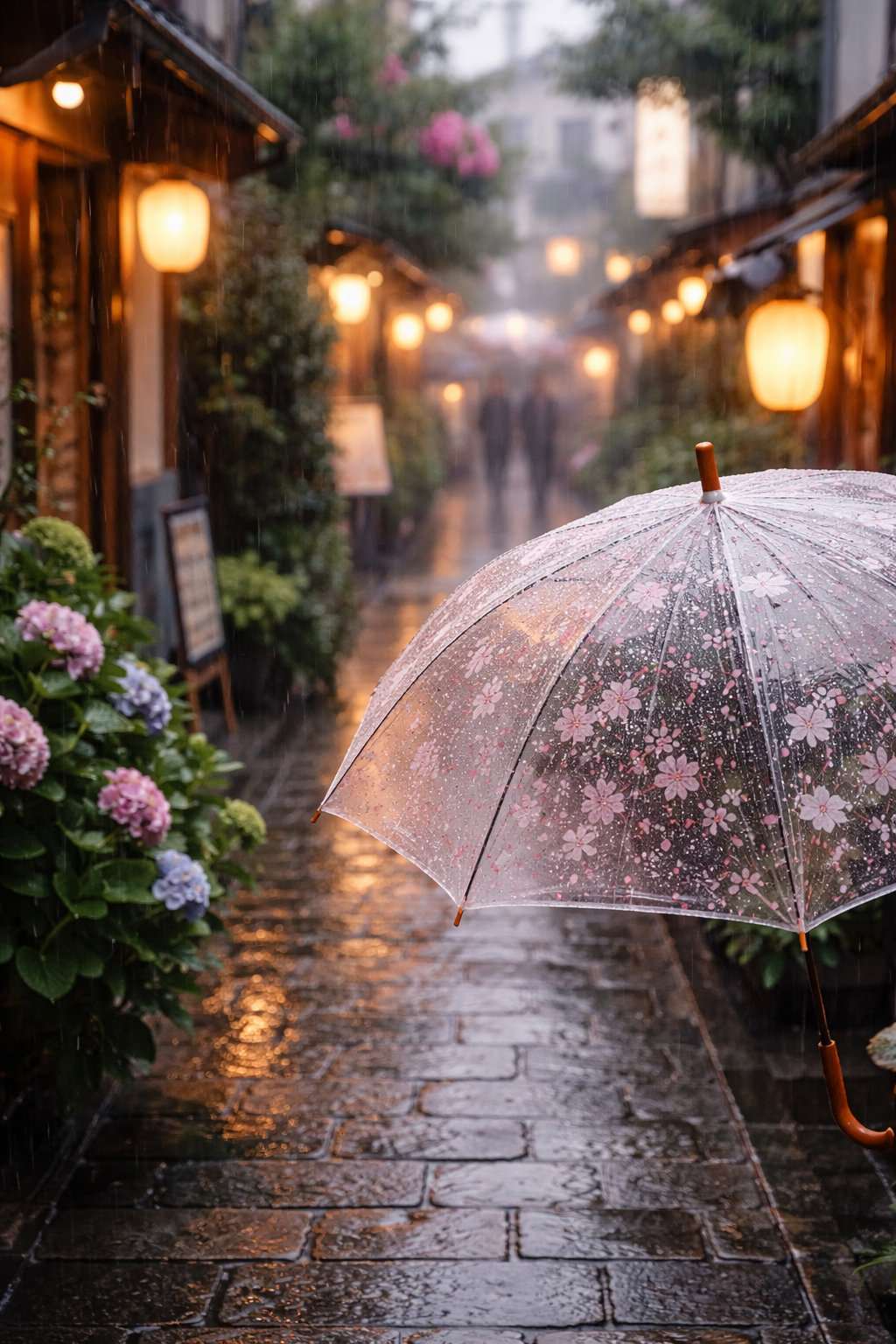
Japanese umbrella street in rainy season
Rainy season

The season of inwardness, softness, and quiet beauty

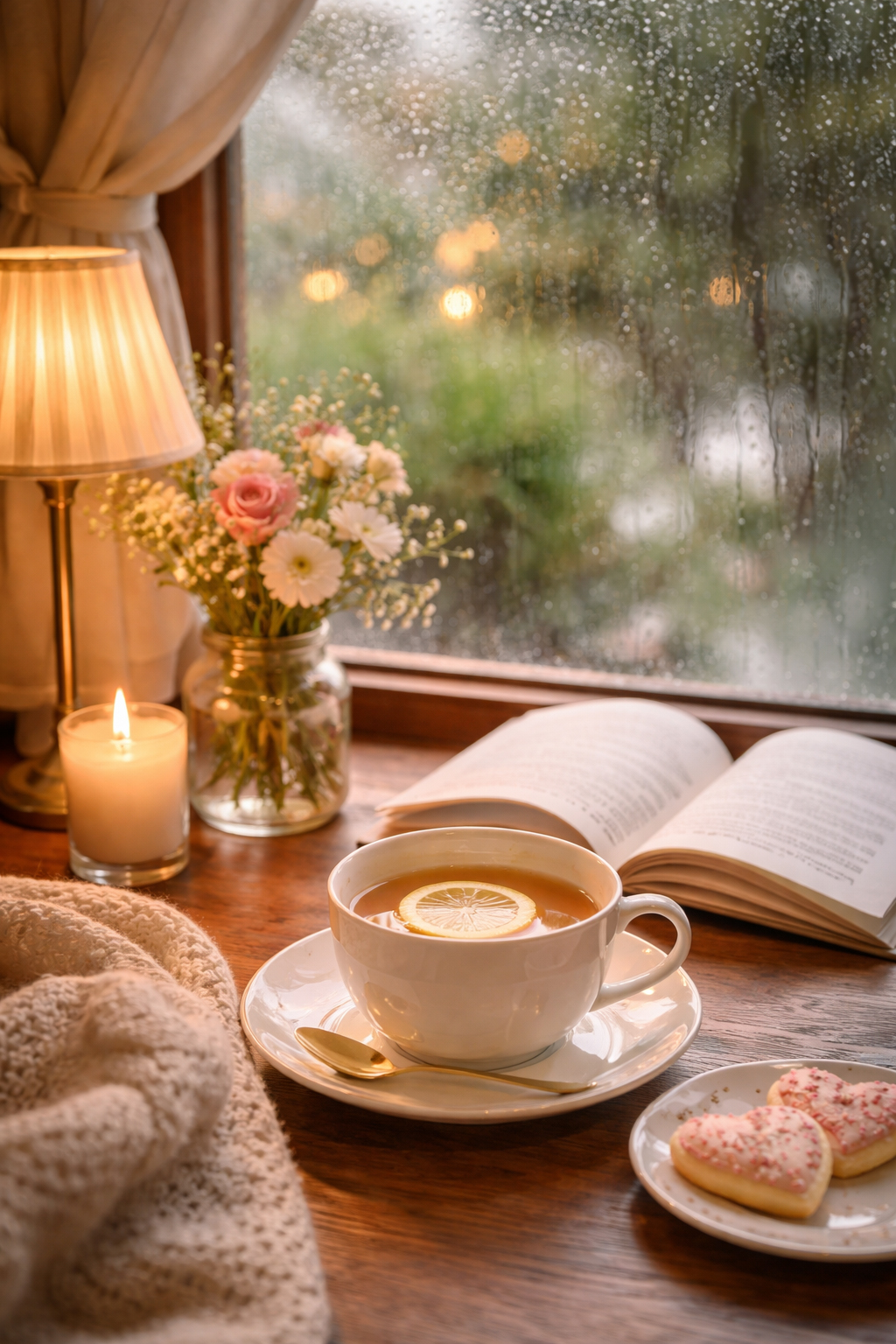
To people unfamiliar with Japan, rainy season can sound like a problem. But emotionally, it is one of the country’s most distinct and strangely beautiful chapters.

The light changes. Sound changes. People move under umbrellas. cafés become more inviting. streets grow reflective. hydrangeas appear like little bursts of calm intelligence against all that gray.

Rainy season teaches a very Japanese kind of appreciation: that beauty does not always need brightness. It can also live in hush, mist, repetition, and the softened edges of ordinary things.

The emotional calendar places rainy season in a fascinating position. It comes after spring’s open-hearted bloom and before summer’s heat-driven extroversion. It is the pause in between. A reflective corridor. Not exactly sadness, and not exactly comfort, but a more interior kind of attentiveness.

Soft summer afternoon mood in Tokyo
High summer

The season of vividness, noise, and physical memory

Summer in Japan is rarely subtle. It is cicadas, fireworks, humidity, festivals, cold drinks, bright skies, evening light, hand fans, convenience-store ice cream, and the physical fact of heat pressing itself into daily life.

Emotionally, summer feels more external than spring or rainy season. It expands outward. It invites events. It makes the body highly aware of weather, shade, water, and relief.

But Japanese summer is also deeply tied to memory. Even when it is happening in the present, it can feel already nostalgic. Maybe that is because summer is so sensory. It enters through sound, temperature, smell, and color. It becomes unforgettable almost at the same moment it is happening.

This is the season of matsuri lights, yukata, melon soda colors, train rides to the sea, and the emotional logic of saying yes to one more cold sweet, one more evening walk, one more little seasonal indulgence before the heat begins to tilt toward ending.

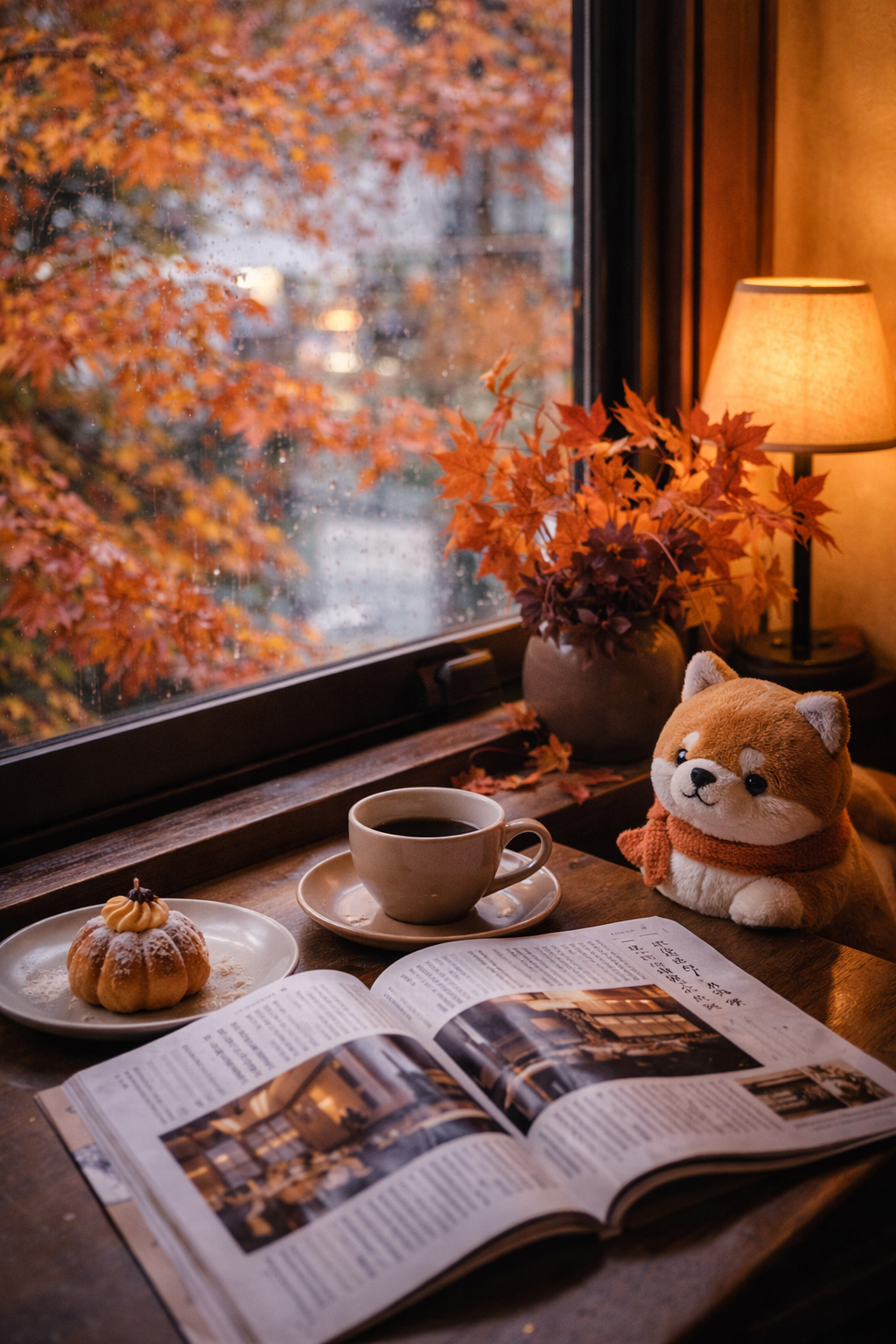
Autumn leaves and cozy cafe window in Japan
Autumn

The season of elegance, appetite, and beautiful melancholy

If spring in Japan is about possibility, autumn is about refinement. It carries relief from summer, yes, but it also carries a more mature emotional register.

This is the season when many people feel Japan becoming especially literary. The air sharpens. clothing gains texture. food becomes richer. chestnuts, sweet potatoes, persimmons, mushrooms, and deeper flavors arrive. leaves turn. evenings feel worth keeping.

Autumn in Japan is often associated with appreciation: moon-viewing, foliage, reading, tea, thoughtful travel, beautifully packed seasonal sweets, the return of coats and layered fabrics.

It is also the season most comfortable with melancholy. Not dramatic sorrow. Something more elegant than that. A willingness to let beauty and sadness sit near each other without forcing a separation. Autumn is where longing becomes atmospheric instead of merely personal.

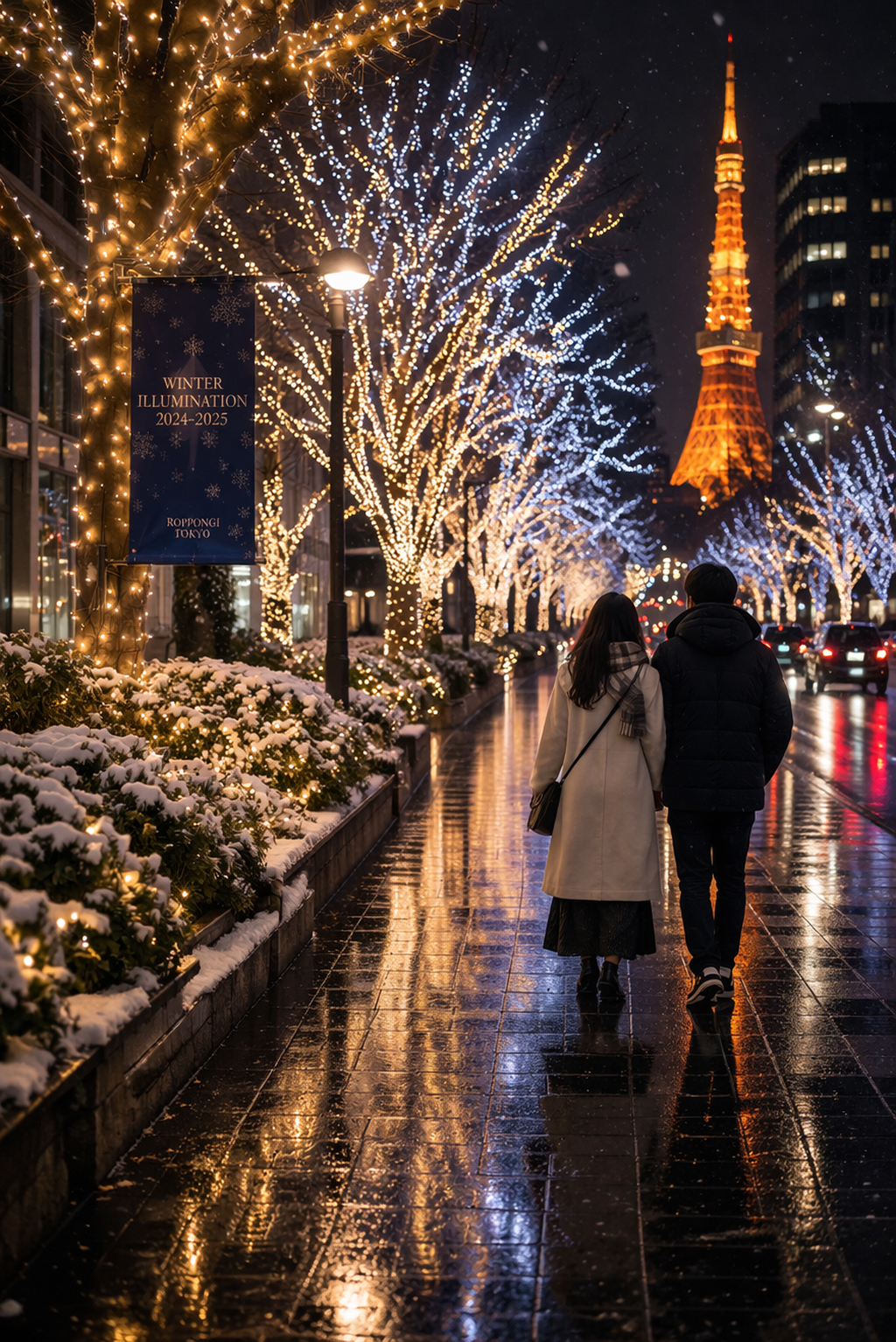
Winter illumination city walk in Japan
Winter

The season of clarity, ritual, and quiet brightness

Winter in Japan can feel surprisingly clean emotionally. There is cold, of course, but also illumination, New Year ritual, clear skies, hot drinks, warm interiors, and the special pleasure of making comfort visible.

Winter light often feels sharper. Shadows are more distinct. soups are more welcome. cafés become refuges. department stores and streets can turn festive without necessarily becoming chaotic.

There is also a strong sense of ceremonial closure in the Japanese winter calendar. Year-end cleaning, gift-giving, New Year visits, lucky symbols, and firsts of the year all reinforce the feeling that time is not merely passing; it is being marked.

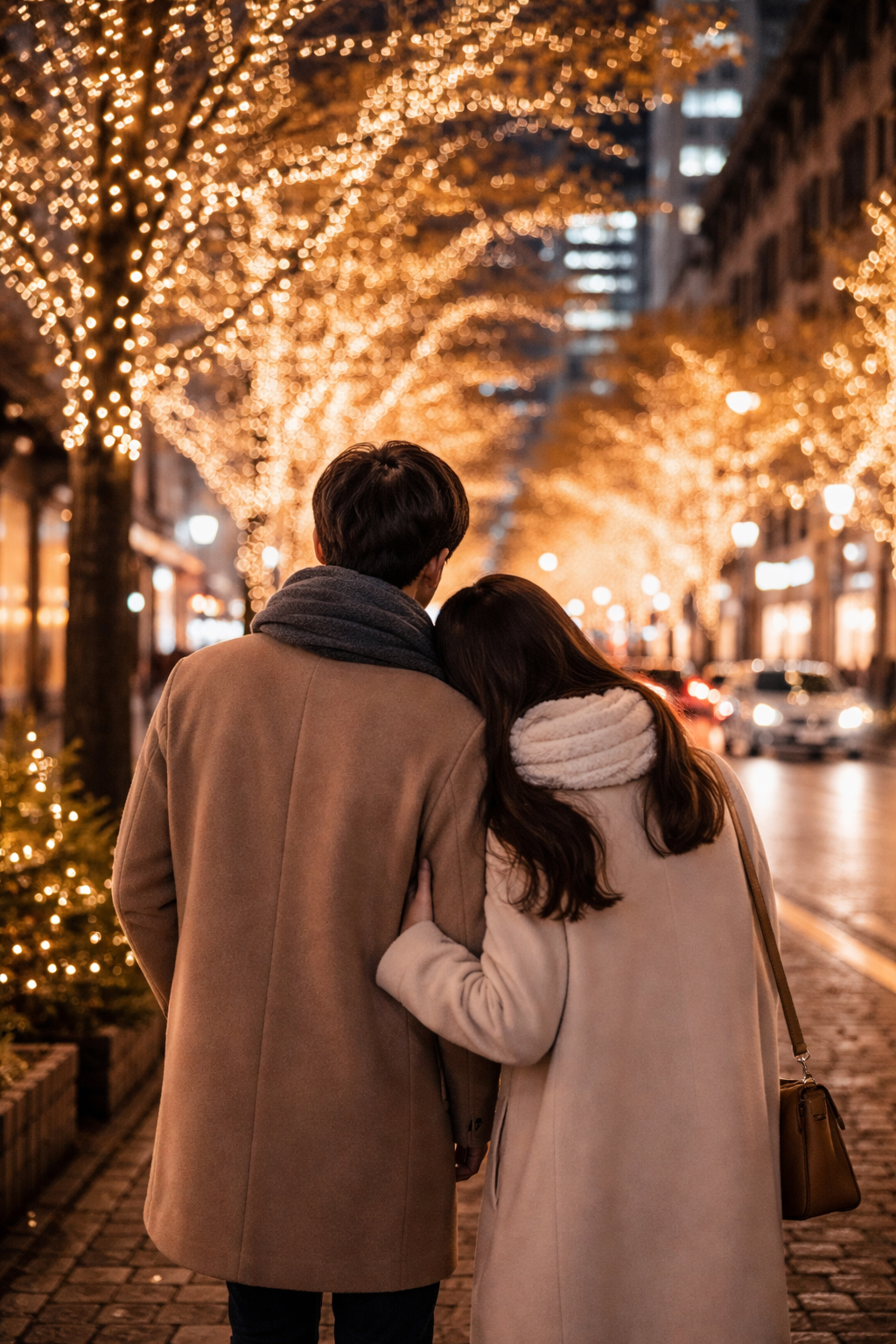
Emotionally, winter in Japan often balances quietness and sparkle. It knows how to make cold feel crisp rather than empty. It understands that darkness can be warmed by design. It makes room for stillness without abandoning beauty.

Winter illumination close-up in Japan
The hidden rhythm beneath all seasons

Japan emotionalizes transition itself

Perhaps the most special thing about the Japanese seasonal calendar is not any one season on its own. It is the cultural sensitivity to movement between them.

First blossoms matter. first cool air matters. first cicadas matter. first autumn sweets matter. first winter lights matter. In many places, people notice when a season has fully arrived. In Japan, people are often trained by culture to notice the approach, the threshold, and the slight shift before the shift becomes obvious.

This makes the year feel emotionally dense. There are more moments to register. More micro-beginnings. More little seasonal announcements. More chances for the ordinary day to feel placed inside a larger atmosphere.

The result is not only aesthetic. It becomes psychological. Time feels textured. Memory becomes seasonal. Emotion starts to attach itself not only to events, but to weather, produce, paper goods, flowers, drinks, light, and the month’s particular mood.

In Japan, a season is rarely just a season.
It is a color palette, a taste memory, a social rhythm, a public mood, and sometimes even a way of thinking.

Why visitors feel it too

Three reasons the seasons stay with people so strongly

Even people new to Japan often feel the calendar emotionally almost right away.

Seasonal sweets and Japanese everyday detail
Everyday reinforcement

The season appears everywhere at once

It is in sweets, signs, displays, drinks, flowers, stationery, packaging, menus, and clothes. You are not asked to search for it. The season comes toward you.

Quiet mood and weather sensitivity in Japan
Mood literacy

The culture gives language to subtle feeling

Japan often makes room for emotional states that are not simple happiness or sadness, but mixtures of anticipation, nostalgia, tenderness, and impermanence.

A gentle seasonal city rhythm in Tokyo
Temporal beauty

People are encouraged to notice what will not last

This may be the deepest emotional gift of the Japanese year: beauty is often framed not as permanent reward, but as a passing moment worth witnessing carefully.

A quiet theory

Japan’s seasons feel so vivid because the culture collaborates with them.

Nature does part of the work, of course. Blossoms bloom. Rain falls. Leaves turn.

But culture amplifies everything. It notices early. It names delicately. It prepares emotionally. It decorates. It cooks. It wraps. It remembers.

By the time the season is fully visible, the heart has already been introduced.

seasonality impermanence mood and memory everyday beauty
Travel lesson

Do not visit Japan only for one season’s postcard

Sakura is famous for a reason, but the emotional intelligence of the Japanese year runs much deeper than one bloom window.

Cultural lesson

Notice what changes in shops, menus, and paper goods

If you want to feel the seasonal calendar properly, look not only at parks and weather, but also at sweets, stationery, packaging, and café displays.

Emotional lesson

The season may be teaching you how to feel it

Japan often invites people not merely to observe change, but to become emotionally fluent in it.

A warm seasonal evening mood in Japan
Closing note

Perhaps that is why Japan’s seasons can feel so intimate. They do not only pass over people. They pass through ordinary life in visible, touchable ways.

A drink changes. a sweet changes. a flower appears. a breeze means something. a month acquires a color. And suddenly the year no longer feels like a row of dates. It feels like a set of emotional rooms you move through carefully, one after another.