Tokyo features

The Art of a Slow Walk in Tokyo

Tokyo is one of the world’s great walking cities, but many people meet it too quickly. They rush to the landmark, photograph the obvious thing, and move on before the city has had time to introduce itself properly.

A slow walk changes everything. It lets Tokyo stop being a checklist and become a texture: light on a side street, a café window, a little garden wall, a stationery shop, a train passing overhead, a vending machine in the rain, a bakery scent you were not looking for.

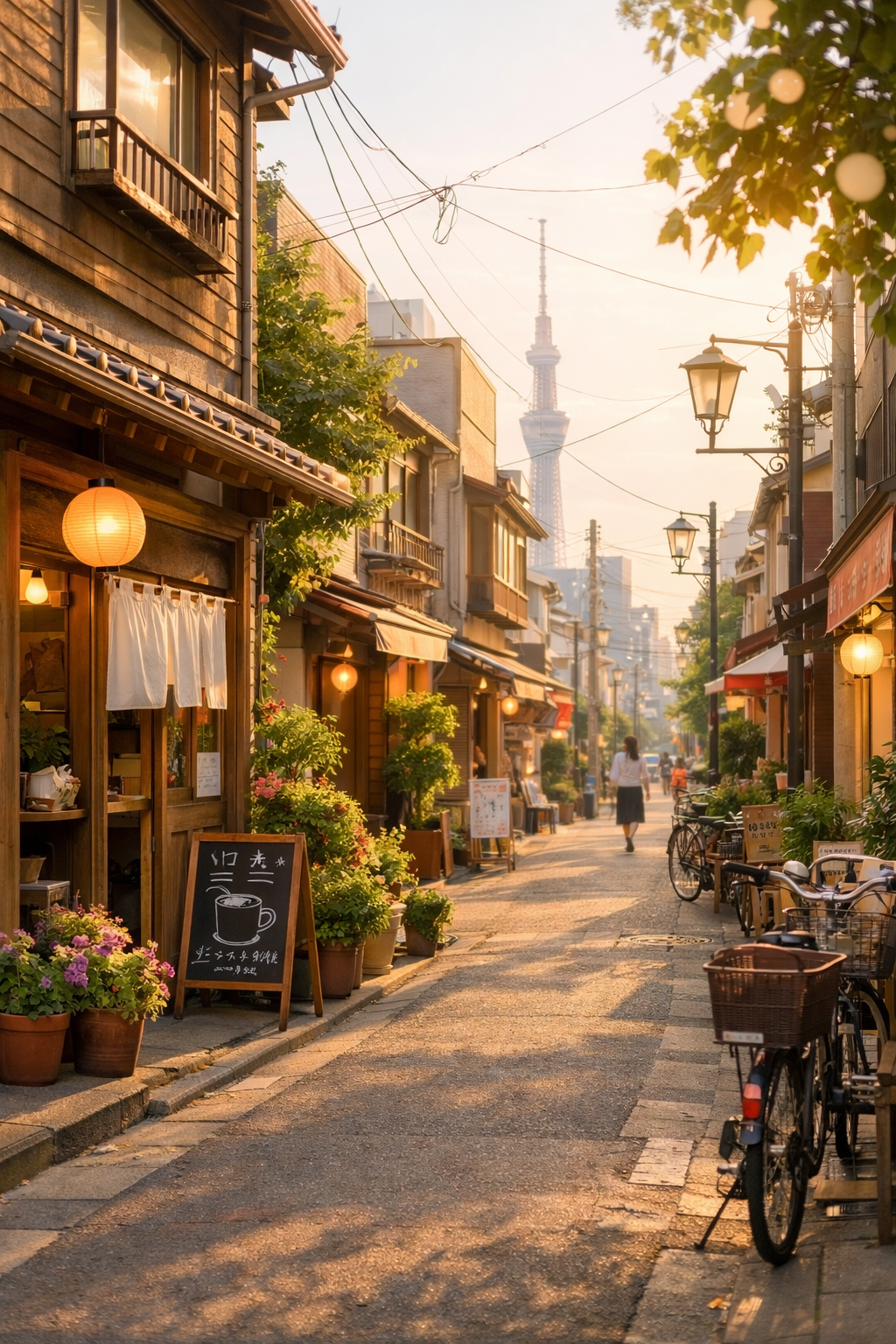
A soft Tokyo street scene perfect for a slow walk
Feature mood quiet pace, side streets, little discoveries, café pauses, and the soft rhythm of letting a city reveal itself slowly
Best for readers who love Tokyo not only for famous sights, but for neighborhood texture, detail, and the emotional pleasure of wandering well
A gentle beginning

Tokyo does not always reveal its best self to people who are in a hurry.

This is not because Tokyo is unfriendly. It is because so much of its beauty lives below the level of spectacle. The city has towers, neon, famous crossings, and giant stations, of course. But its softer magic often lives in transitions: between one neighborhood and another, between rain and light, between the main street and the lane behind it.

A slow walk is the act of letting these transitions matter. It means allowing a block to become interesting. It means turning because something looks inviting, not because an itinerary told you to. It means understanding that one good bench, one quiet shrine corner, or one perfect convenience-store detour can sometimes do more for your memory of Tokyo than another major attraction.

The art of a slow walk is not about laziness. It is about attention.

Chan-chan note
The slow walk is one of the best ways to discover that Tokyo can feel enormous and intimate at the same time.
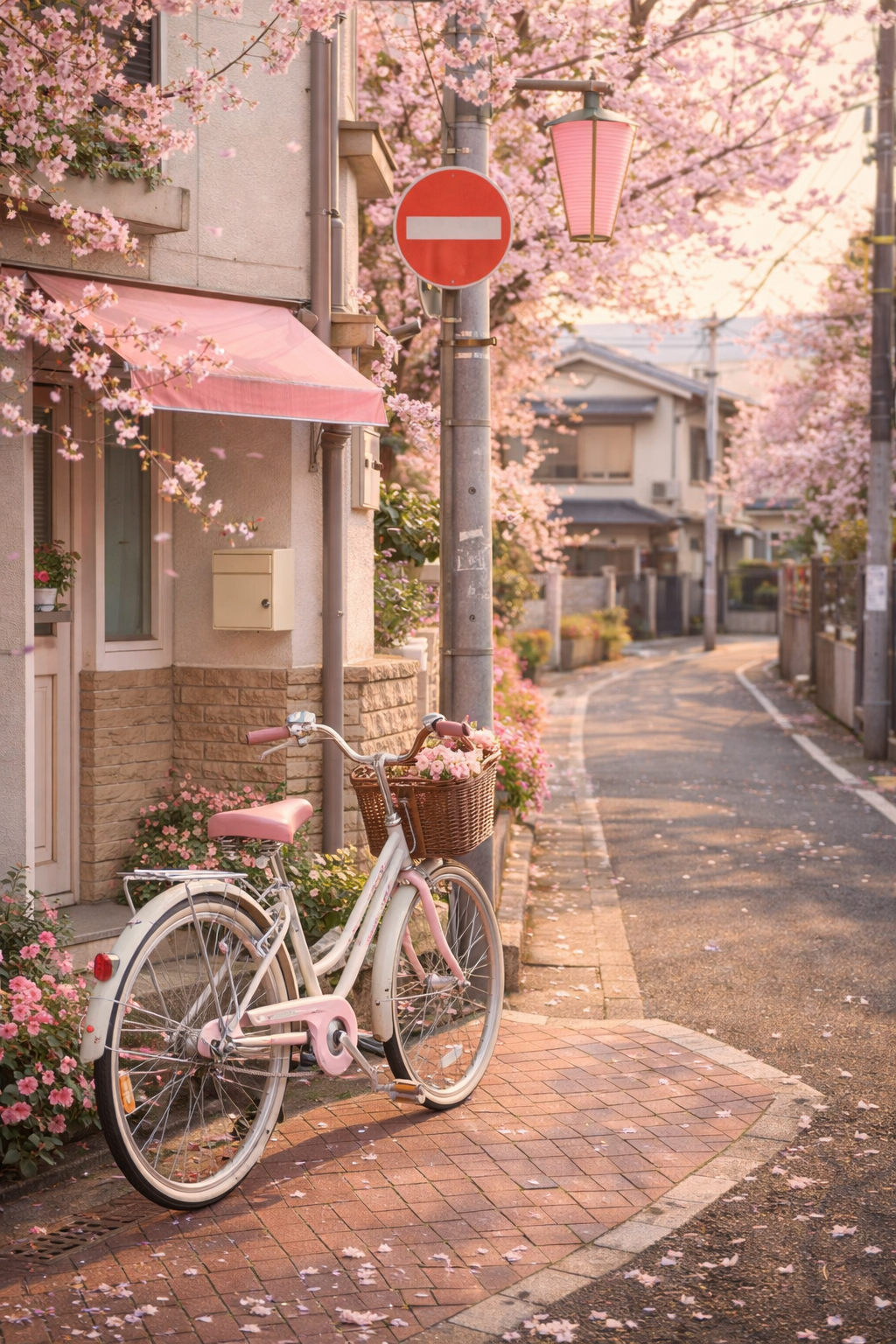
A neighborhood bicycle corner in Tokyo
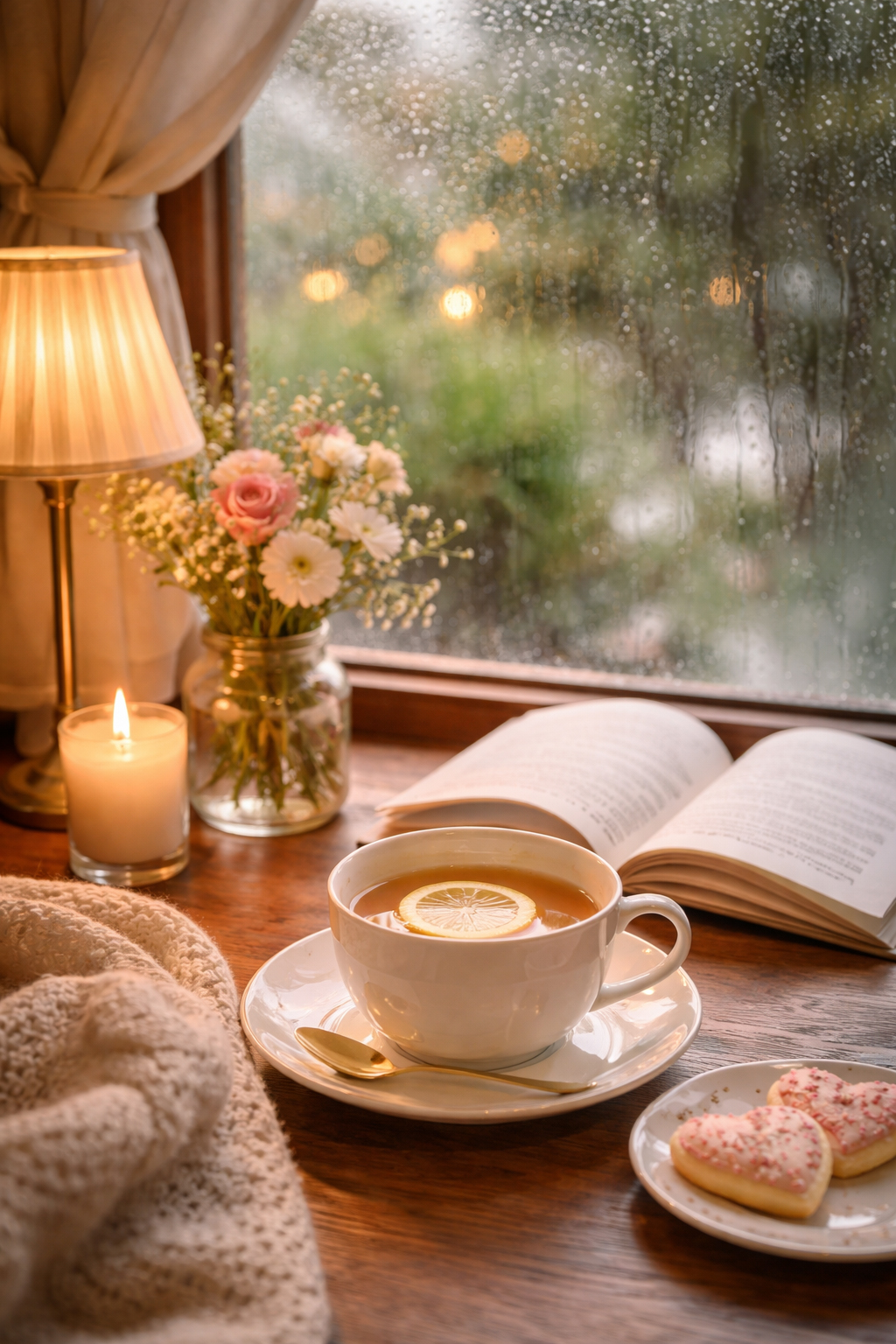
A rainy Tokyo window and teacup mood
The art itself

What changes when you walk more slowly

Tokyo begins to feel less like a destination and more like a conversation.

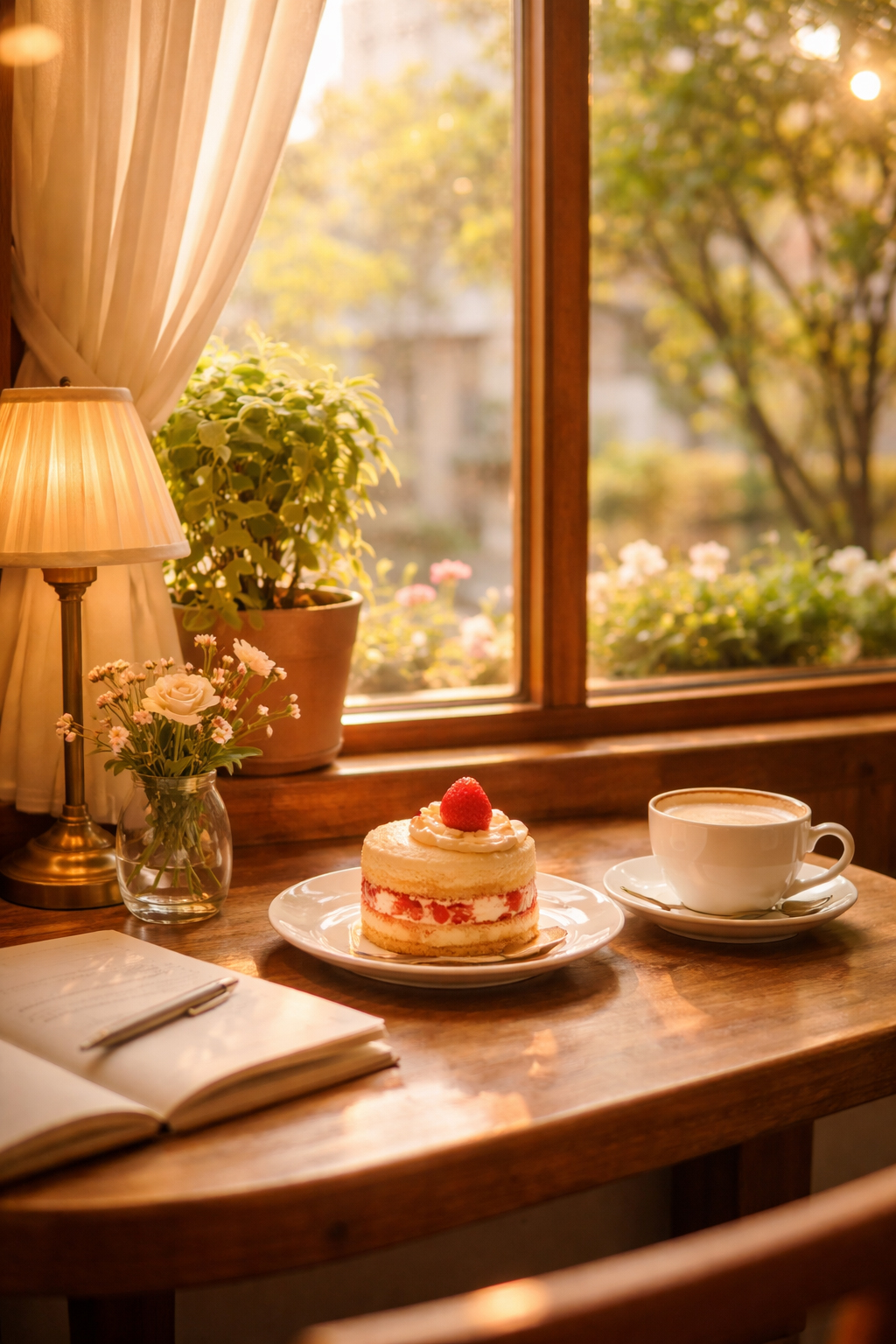
A warm Tokyo café window light
01 · You start noticing invitations

The city stops being background and starts sending signals

A little handwritten sign. A café window seat. a side street with the right kind of quiet. a shop display that seems to understand your mood before you do.

When you move too quickly, these things remain scenery. When you slow down, they become invitations.
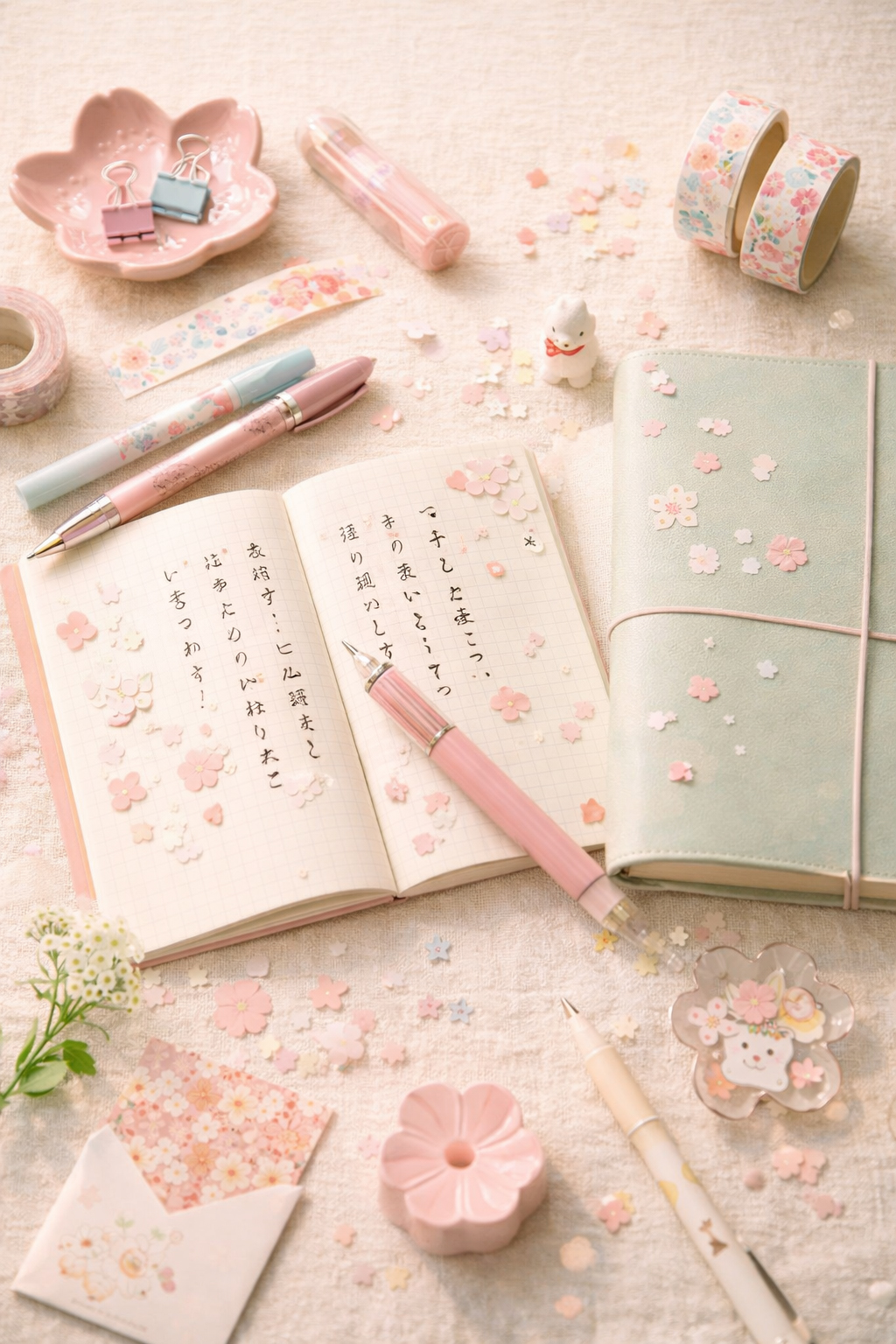
Tokyo details and careful objects
02 · Detail becomes rewarding

Small things stop feeling small

Tokyo is full of tiny design decisions: signs, wrapping, shelves, menus, packaging, paving, stools, curtains, bicycles, and the arrangement of ordinary objects.

A slow walk teaches you that these things are not decorative leftovers. They are part of the city’s emotional language.

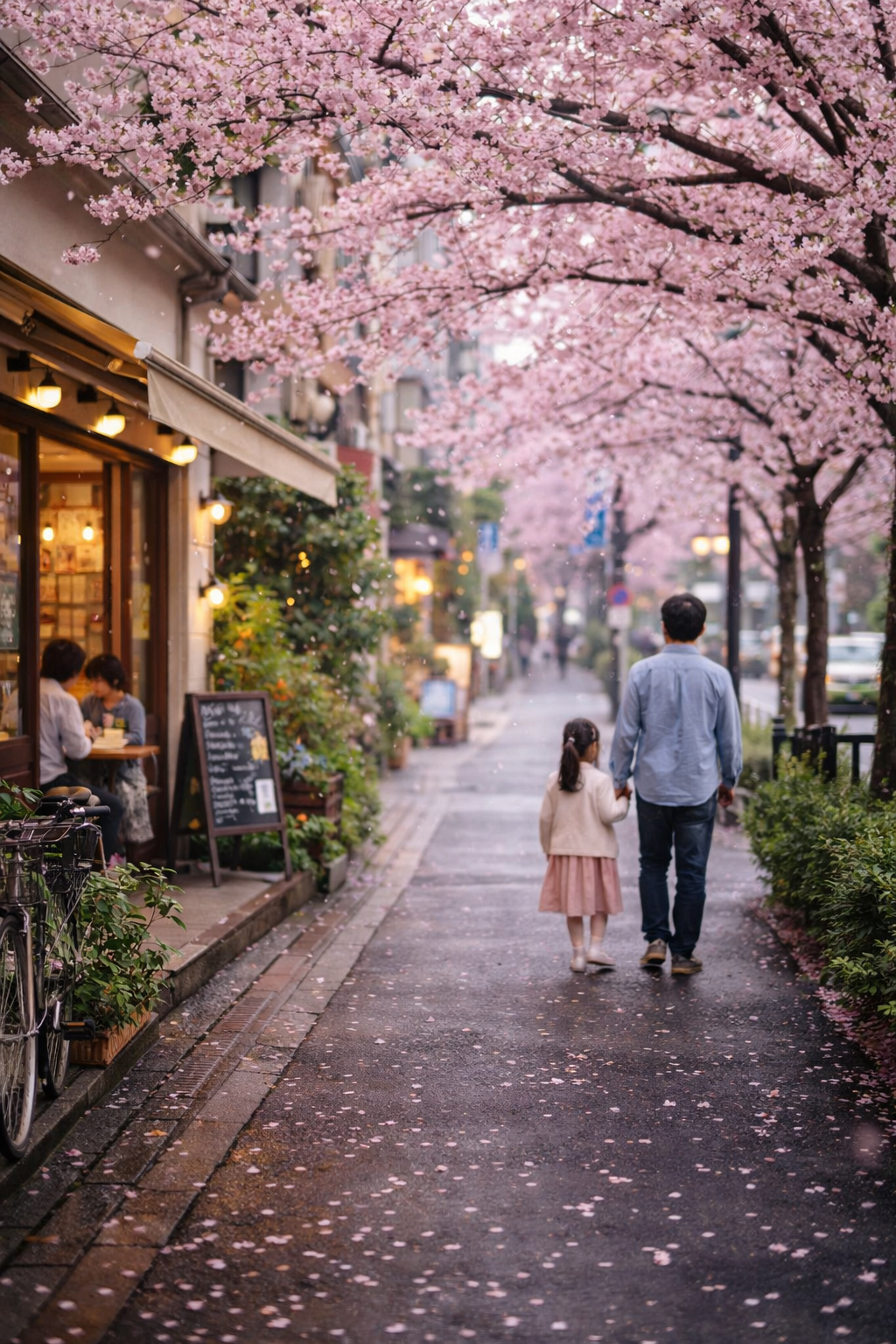
A spring street perfect for a slow walk
03 · Neighborhoods become personalities

You stop saying “Tokyo” and start feeling places

A quick trip can flatten the city into one giant impression. A slow walk teaches you the difference between softness and edge, polish and nostalgia, local rhythm and destination energy.

Tokyo becomes less abstract and more personal.

A rainy quiet Tokyo mood
04 · Weather becomes part of the pleasure

Rain, light, and temperature stop being obstacles

A slow walker begins to use weather as atmosphere instead of treating it only as inconvenience. Tokyo in drizzle, soft winter light, humid afternoon haze, or early evening warmth all have different emotional textures.

When you are not rushing, you can feel the city changing around you.

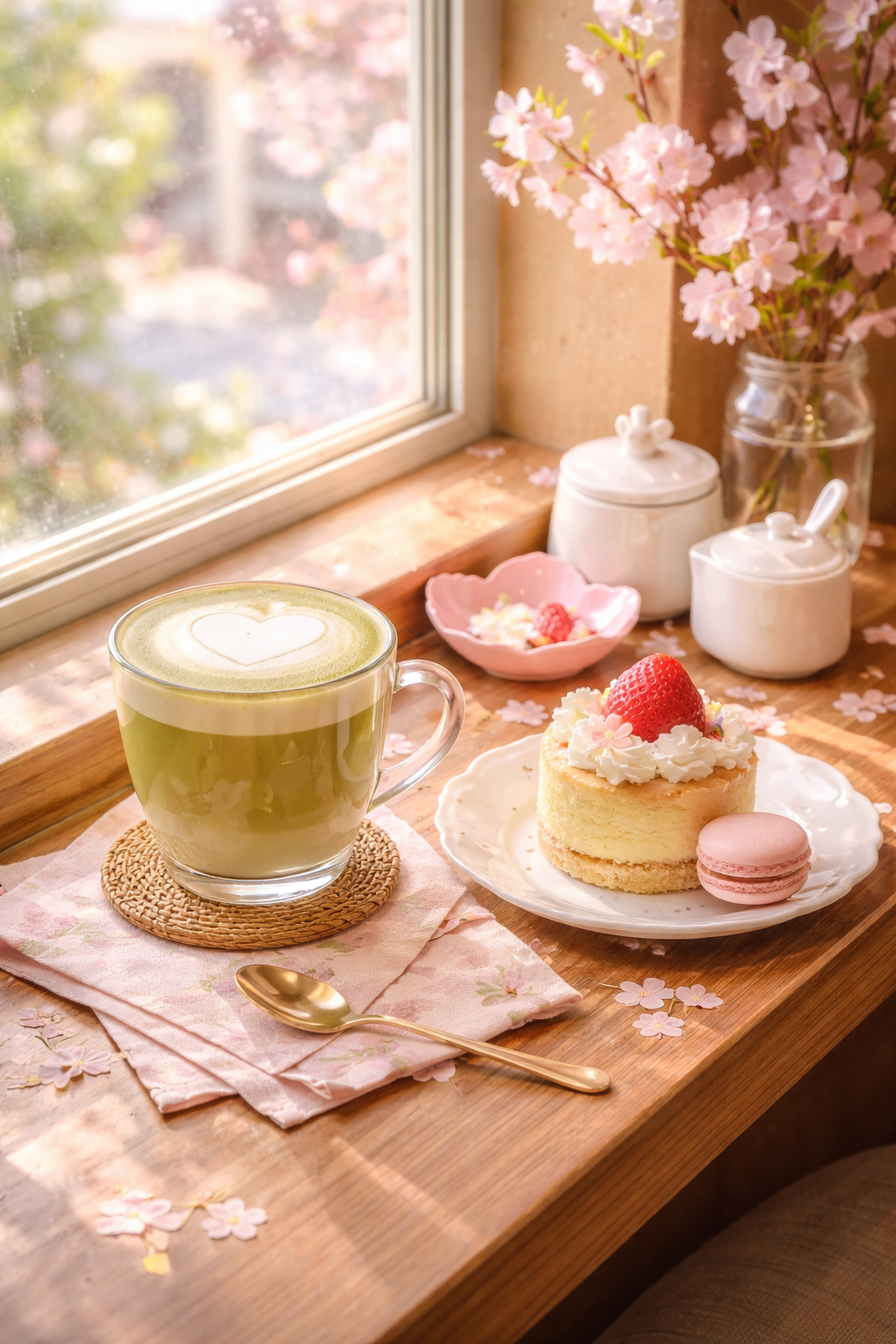
A calm Tokyo café break during a walk
05 · Pauses become part of the walk

A café is not an interruption. It is one movement in the rhythm.

The best slow walks in Tokyo often include a stop: tea, coffee, parfait, toast, a bench, a convenience-store sweet, or simply standing for a while in the right place.

The stop deepens the walk instead of breaking it.

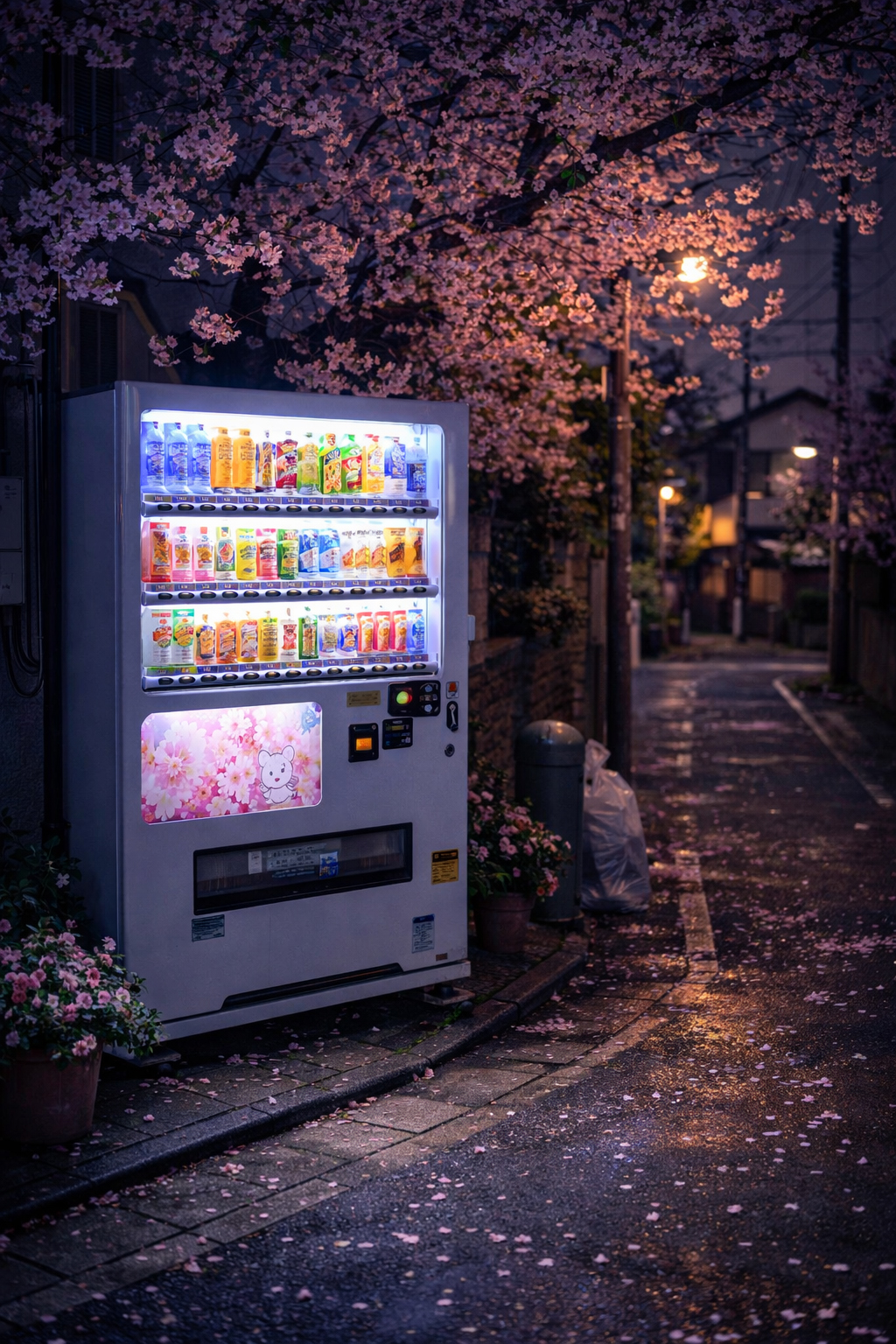
A Tokyo vending machine glowing at night
06 · Ordinary things become memorable

The city begins giving you scenes instead of highlights

A glowing vending machine. a bicycle left beside a wall. a convenience-store run after sunset. a little alley restaurant before opening. schoolchildren passing. a train sound overhead.

None of these are major attractions. That is exactly why they often stay in memory longer.

A slow walk in Tokyo is not about doing less.
It is about allowing more to reach you.

How to do it well

Three gentle rules for walking Tokyo slowly

The art is partly practical and partly emotional.

A quiet side street in Tokyo
Rule one

Leave space in the schedule

The slow walk fails when every minute is already promised to something else. Tokyo needs a little unscripted time to show its softer self.

A calm table pause during a city walk
Rule two

Let one stop become enough

A good café, one lane, one little shop, one shrine corner, or one dessert can be enough to make the walk feel complete.

A soft afternoon street scene in Tokyo
Rule three

Choose mood over mileage

The goal is not maximum distance. The goal is that lovely moment when the city begins to feel less like an itinerary and more like a place you are actually inside.

A quiet theory

Tokyo may be one of the world’s best cities for the beautiful in-between.

Not only the destination. Not only the headline sight.

The stretch between the station and the café. The street after the museum. The lane behind the shopping road. The pause before sunset. The walk after rain.

So much of Tokyo’s sweetness lives there.

side streets small pauses Tokyo rhythm quiet wonder
Best timing

Late morning and late afternoon are especially good

Tokyo often feels most tender when the city is neither too fresh nor too tired. The light is kinder, and the mood is more permeable.

Best companions

Go alone or with someone who also likes noticing things

A slow walk needs emotional space. It works best when nobody is trying to turn every hour into a productivity contest.

Best mindset

Let yourself be slightly interruptible

The point is to be open to a better route than the one you planned. Tokyo often rewards that openness.

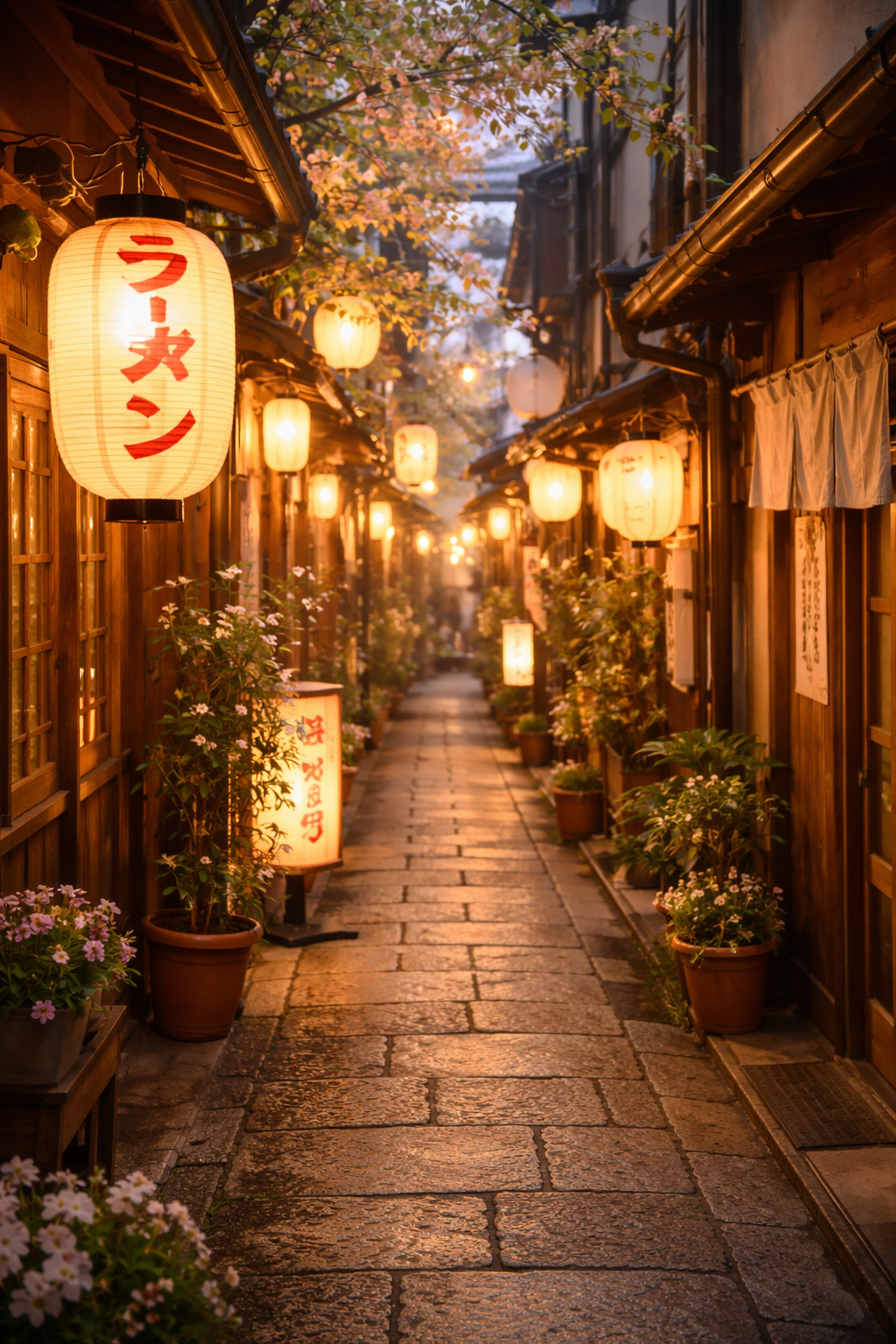
A warm soft evening lane in Tokyo
Closing note

The art of a slow walk in Tokyo is really the art of trusting that the city does not need to be conquered to be loved.

Walk a little slower. Turn once more than necessary. Stop for something small. Let one street be enough. Very often, that is when Tokyo stops performing and begins to feel quietly personal.