Tokyo features

Little Museums, Big Feelings

Not every museum memory comes from a giant institution. Some of the ones that stay with you longest come from quieter rooms, more specific obsessions, smaller buildings, and places that know exactly what kind of feeling they want to leave behind.

Tokyo is very good at this. It has museums that feel like cabinets of curiosity, elegant houses, miniature worlds, print sanctuaries, photography rooms, and art spaces where the scale is smaller but the emotional aftertaste is strangely large.

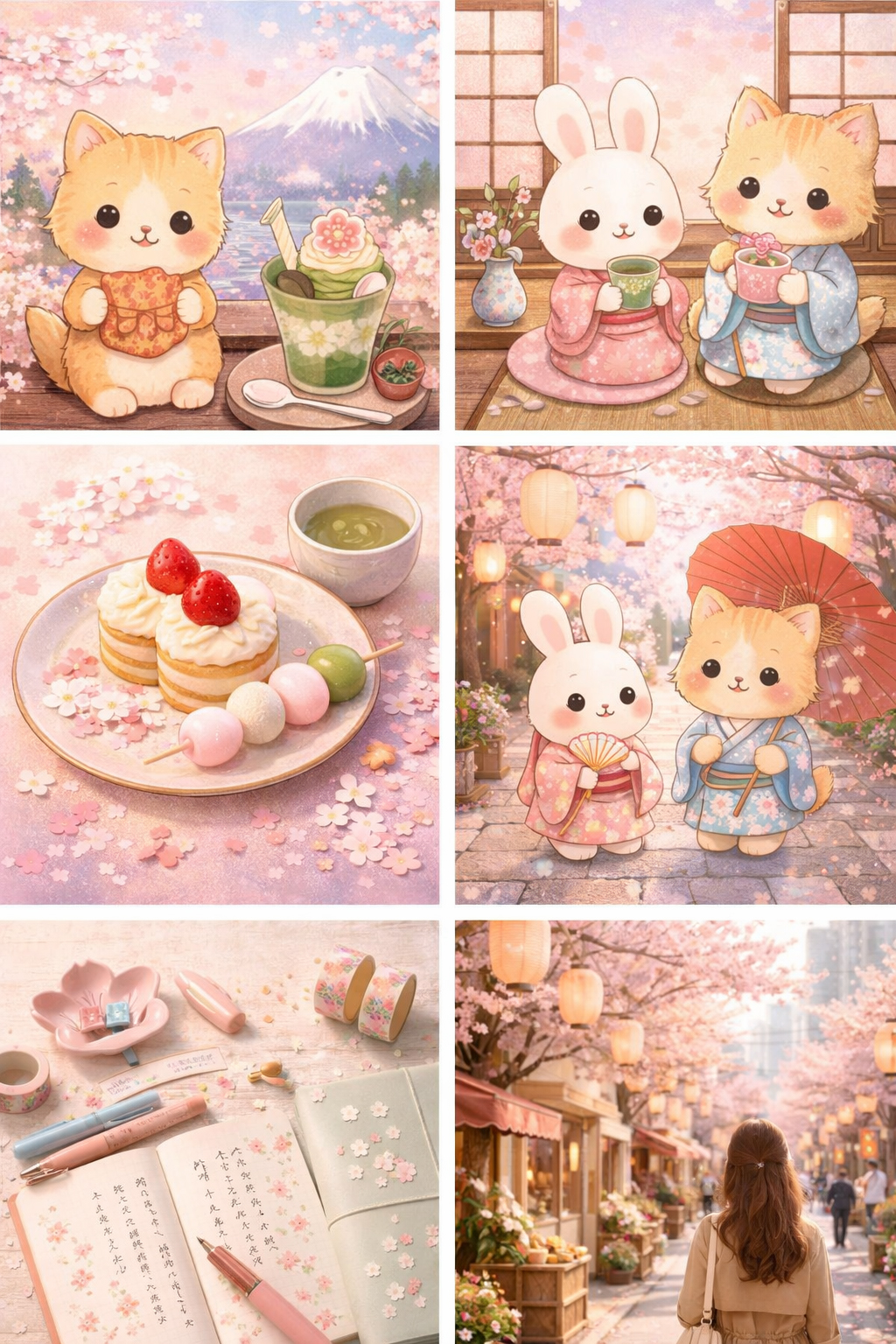
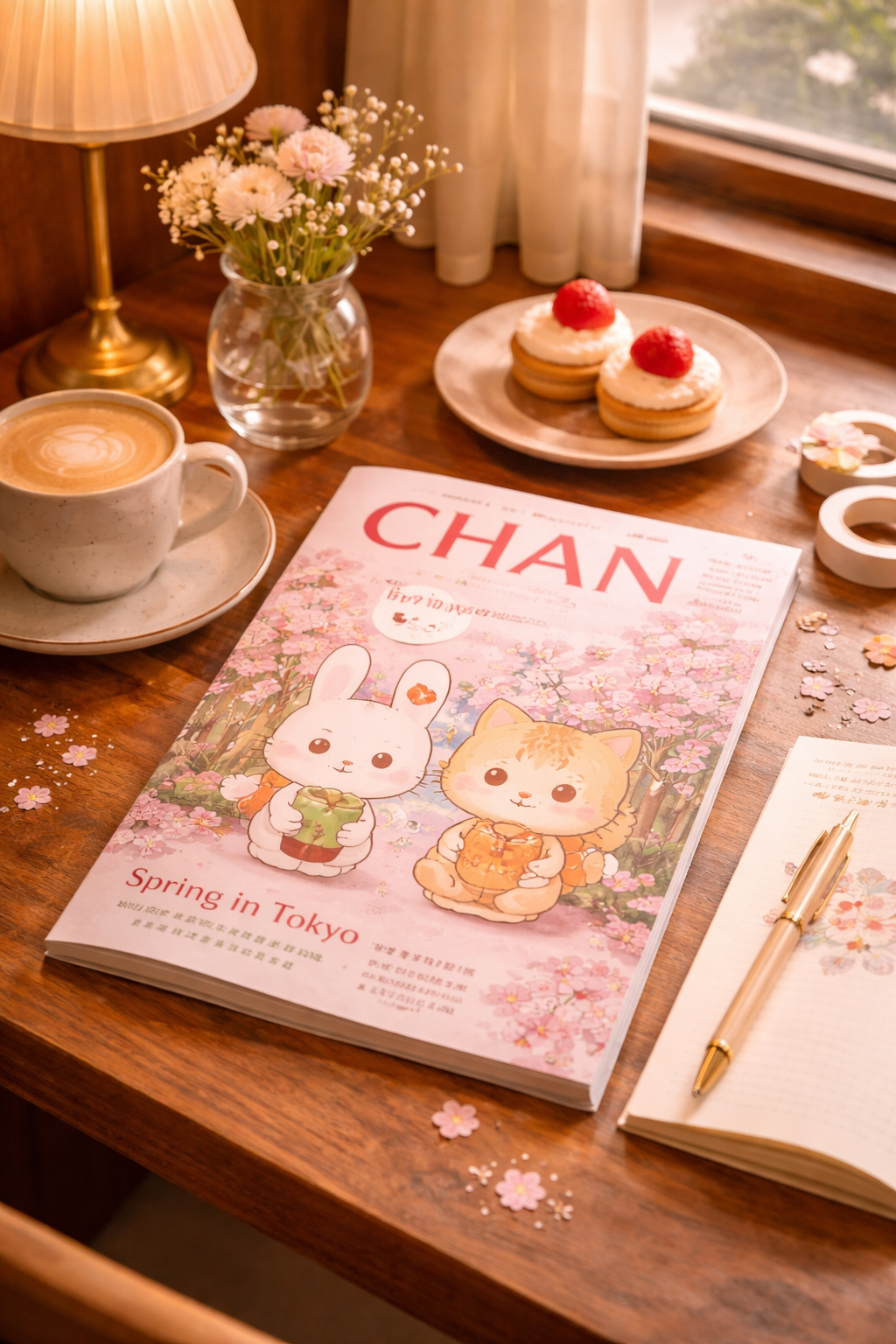
A soft collage of small museum moods in Tokyo
Feature mood quiet wonder, emotional scale, beautiful details, and places that feel more intimate than monumental
Best for travelers who like smaller cultural places with atmosphere, specificity, and a stronger emotional signature than their size suggests
A gentle beginning

Sometimes a museum feels bigger in memory than it ever looked on a map.

Big museums impress. Little museums linger.

A smaller museum can feel more intimate because it makes fewer claims. It does not ask you to conquer it. It asks you to enter, look carefully, and allow one specific atmosphere to work on you.

In Tokyo, that atmosphere can come from a former prince’s residence, a floor of old scientific specimens, a miniature world under careful lighting, a room of ukiyo-e prints in Harajuku, or a building devoted entirely to one artist’s vision.

The result is often surprisingly emotional. You leave not necessarily informed about everything, but tuned to one very particular frequency.

Chan-chan note
This feature is for people who love museums that feel specific, intimate, and a little bit quietly magical.
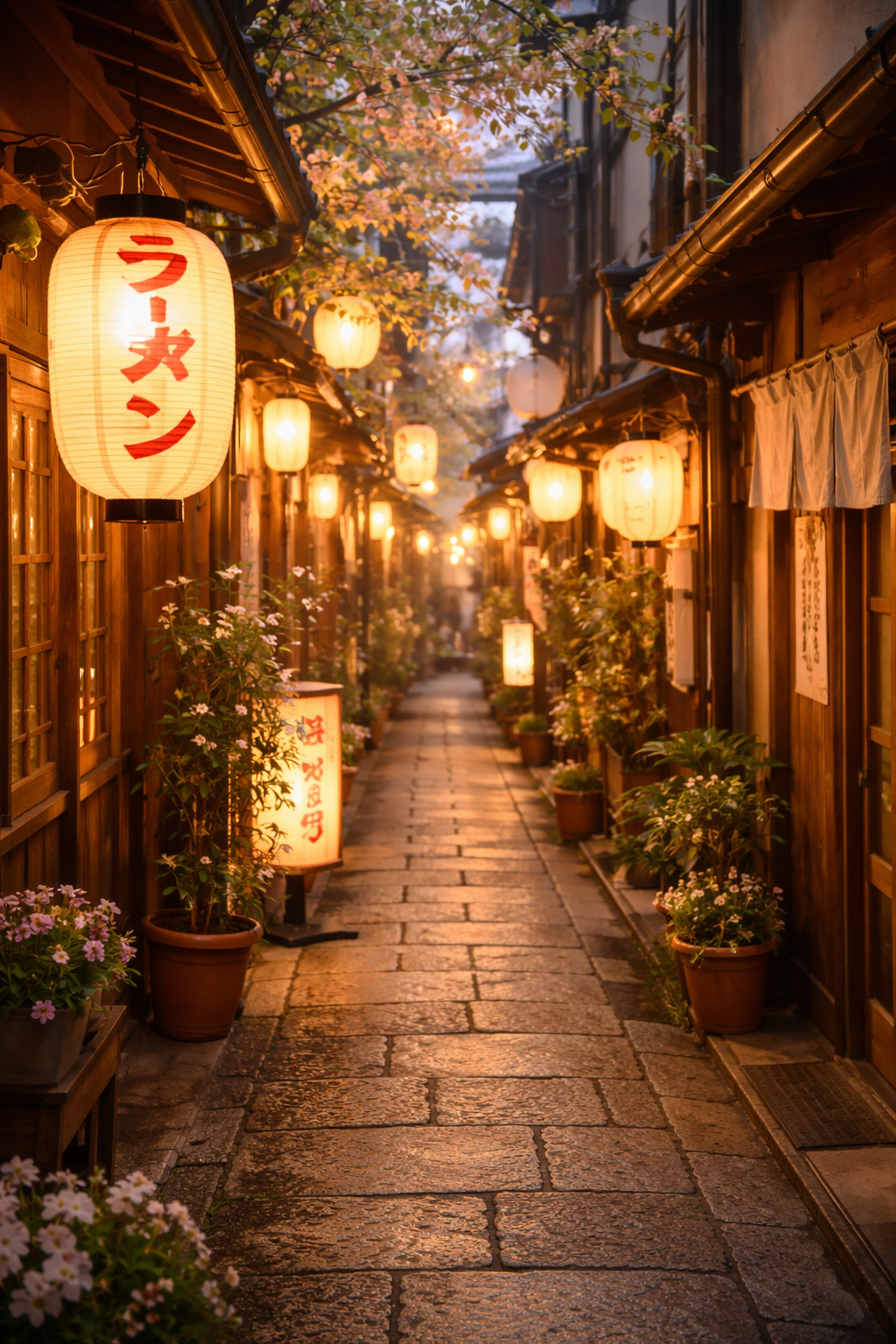
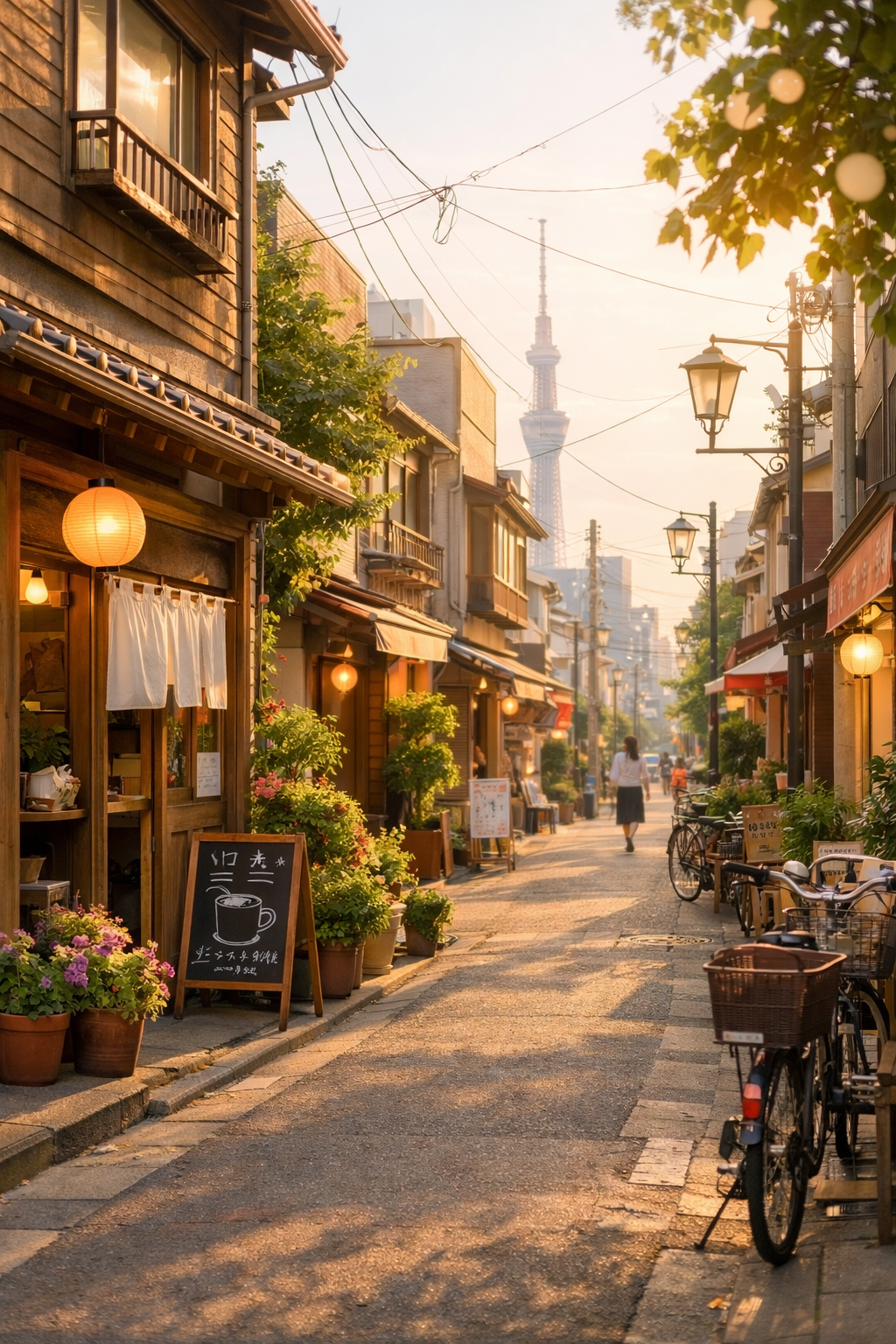
A soft Tokyo afternoon mood
A quiet rainy museum-day mood in Tokyo
Real places

Six little museums in Tokyo with big emotional presence

These are not all tiny in physical scale, but each one feels more intimate, distinctive, or emotionally concentrated than a giant general museum.

A cabinet-of-curiosities museum mood
Curiosity cabinet feeling

Intermediatheque

Intermediatheque is one of Tokyo’s best examples of a museum that feels intellectually strange in a beautiful way. It is not large, but it has a highly concentrated atmosphere: specimens, display cases, scholarly objects, and an old-world sense of wonder inside the sleek Marunouchi environment.

It feels less like a standard museum and more like stepping into an elegant experimental archive. That is why it stays with people.
Address: KITTE 2-3F, 2-7-2 Marunouchi, Chiyoda-ku, Tokyo 100-7003
Phone: 050-5541-8600
An elegant garden museum mood
Architecture and quiet elegance

Tokyo Metropolitan Teien Art Museum

Teien is one of the clearest examples of a museum whose feeling begins before the exhibition does. The Art Deco building, the old residence atmosphere, and the gardens all shape the emotional experience.

It feels intimate even when the site itself is not tiny, because the mood is so coherent. People often remember the light, the rooms, and the pacing as much as the art.

Address: 5-21-9 Shirokanedai, Minato-ku, Tokyo 108-0071
Phone: 03-3443-0201
A print and paper museum mood
Print-room intimacy

Ota Memorial Museum of Art

In Harajuku, where the streets can feel loud and quick, Ota Memorial Museum feels wonderfully concentrated. It is devoted to ukiyo-e, and that specialization is part of its charm.

The museum is not trying to be everything. It is trying to let you look properly. That makes the experience feel calm, exact, and emotionally clean.

Address: 1-10-10 Jingumae, Shibuya-ku, Tokyo 150-0001
Phone: 050-5541-8600
A photography museum mood in soft city light
Quiet image culture

Tokyo Photographic Art Museum

The Tokyo Photographic Art Museum has more scale than the smallest places in this feature, but it still belongs here because photography museums often feel psychologically smaller and more personal than broad survey museums.

It is a strong place for people who like mood, sequence, framing, and the intimacy of looking. Yebisu gives it an especially good city rhythm.

Address: Yebisu Garden Place, 1-13-3 Mita, Meguro-ku, Tokyo 153-0062
Phone: 03-3280-0099
A miniature museum mood
Tiny worlds, big feeling

SMALL WORLDS Miniature Museum

This museum is physically large, but emotionally it behaves like a little museum because its whole pleasure comes from looking closely. The delight is in detail, scale shifts, and the strange tenderness of miniature life.

It belongs in this feature because it creates one of the purest forms of museum intimacy: the emotional pleasure of leaning in.

Address: 1-3-33 Ariake, Koto-ku, Tokyo 135-0063
Phone: 03-5843-4926
A focused artist museum mood
One artist, one atmosphere

Yayoi Kusama Museum

When a museum is dedicated to one artist, the emotional tone can become especially strong. That is very true here. Yayoi Kusama Museum feels concentrated, timed, and specific in a way that can make the visit feel more like entering a mind than entering a general museum.

It is one of Tokyo’s clearest examples of a museum experience whose size is less important than its intensity.

Address: 107 Bentencho, Shinjuku-ku, Tokyo 162-0851
Phone: none publicly listed for general calls

Large museums can impress the eyes.
Little museums often impress the nervous system.

Why they stay with you

Three reasons smaller museum experiences can feel bigger afterward

Their emotional scale is often larger than their floor plan.

A slower quieter Tokyo mood
Less overload

They ask less and give more

Smaller museums often let you complete the visit emotionally. You are less likely to leave feeling unfinished or exhausted.

A detail-loving museum mood
Higher specificity

They tend to know exactly what they are

A museum devoted to one atmosphere, one medium, or one collection often leaves a cleaner and stronger emotional trace.

A rainy day museum pause mood
Better pacing

They fit naturally into a human day

A little museum can sit beside lunch, a walk, a café, or a train ride and still become the thing you remember most.

A soft theory

The smaller the museum, the more the mood may matter.

That is not always true, but in Tokyo it happens often. Scale shrinks. Feeling concentrates.

A cabinet, a hallway, a stair, a former house, a room of prints, a miniature street, an artist’s world — all of these can become larger in memory because they are more emotionally precise.

quiet wonder small scale museum mood Tokyo detail
Planning tip

Check exhibition calendars before you go

Smaller museums can close between exhibitions or keep more irregular hours than giant institutions. That is part of their rhythm, so it helps to treat them with a little more care.

Best pairing

Combine them with a neighborhood, not a checklist

Little museums are often best when paired with a calm lunch, a café, a park, or a walk through the surrounding district.

Mood tip

Do not rush them

The whole point is that their feeling takes shape slowly. A smaller museum usually gives back more when you let the pace stay gentle.

A warm quiet ending to a Tokyo museum day
Closing note

Maybe that is the real gift of little museums. They are easier to carry home with you.

A giant institution can leave you impressed. A smaller one can leave you changed by something quieter: the light in one room, the exact scale of one collection, the personality of one building, or the simple feeling that someone made a place very carefully and trusted you to notice.