Tokyo features

Why Japanese Packaging Feels Special

People often notice Japanese packaging before they can explain it. A pastry box feels calmer. A convenience-store dessert feels more deliberate. A paper bag feels too nice to throw away. A small gift wrapper seems to understand the mood of the object inside it.

The feeling is not only visual. It is emotional. Japanese packaging often feels special because it communicates care, rhythm, restraint, seasonality, and respect for the person receiving the thing.

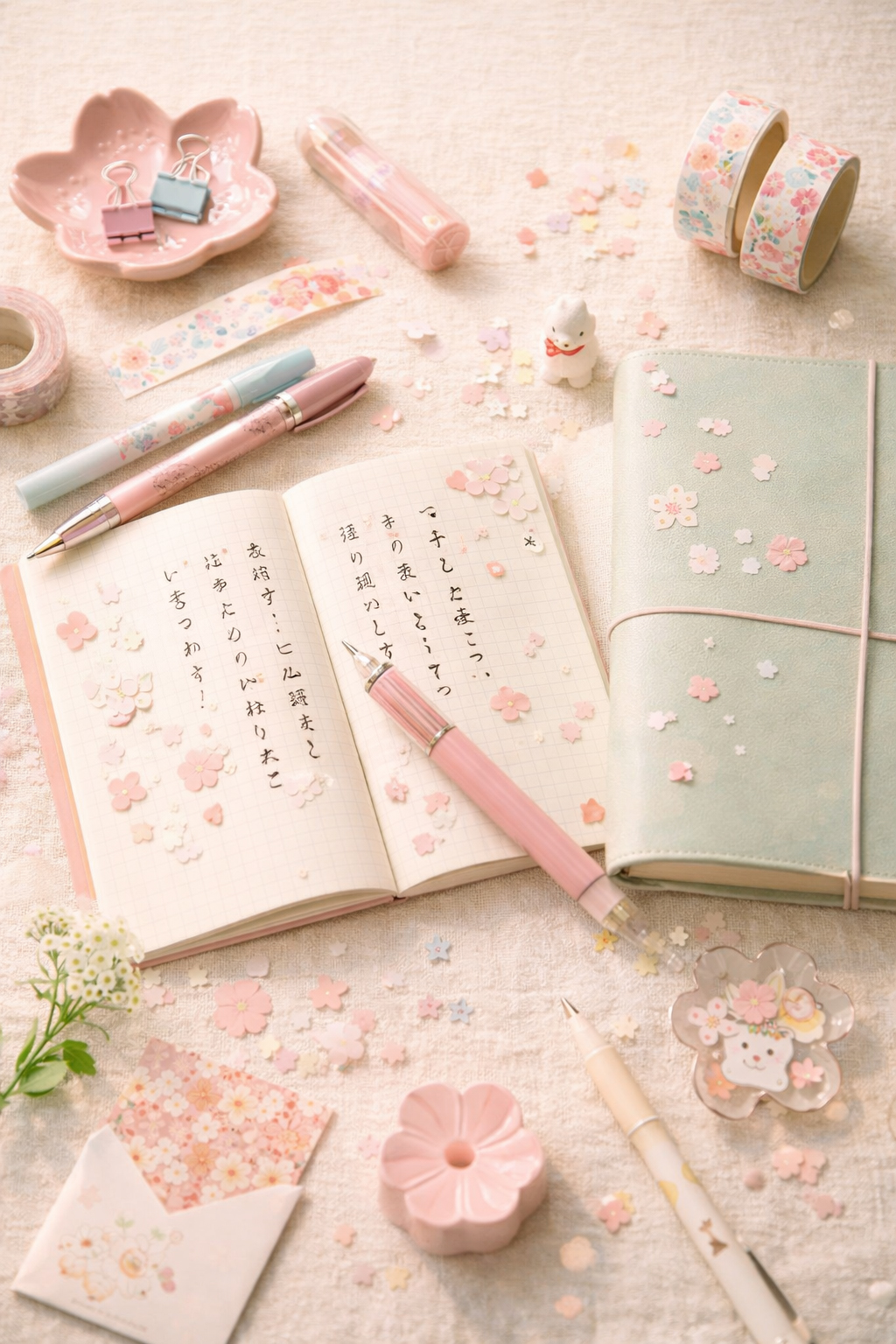
Japanese stationery, paper textures, and thoughtful packaging details
Feature mood paper, texture, quiet luxury, little surprises, and the beauty of being handled carefully
Best for readers who love design, gift culture, everyday beauty, and the small details that make Japan feel unusually thoughtful
A soft beginning

Packaging in Japan often feels less like covering and more like conversation.

In many places, packaging is treated as protection, branding, or sales pressure. In Japan, it often feels like something a little more layered. It still protects. It still sells. But it also frames the object, prepares the moment, and adjusts the emotional temperature of receiving it.

That is why even small purchases can feel unexpectedly satisfying. A cookie does not arrive as only a cookie. It arrives as a small event. A boxed sweet does not only sit inside paper. It sits inside attention.

The special feeling comes from that accumulation of attention. Tiny choices. Quiet choices. Choices that say the object matters, the season matters, and you matter too.

Chan-chan note
One reason people fall in love with Japan is that even ordinary things are often introduced to you beautifully.
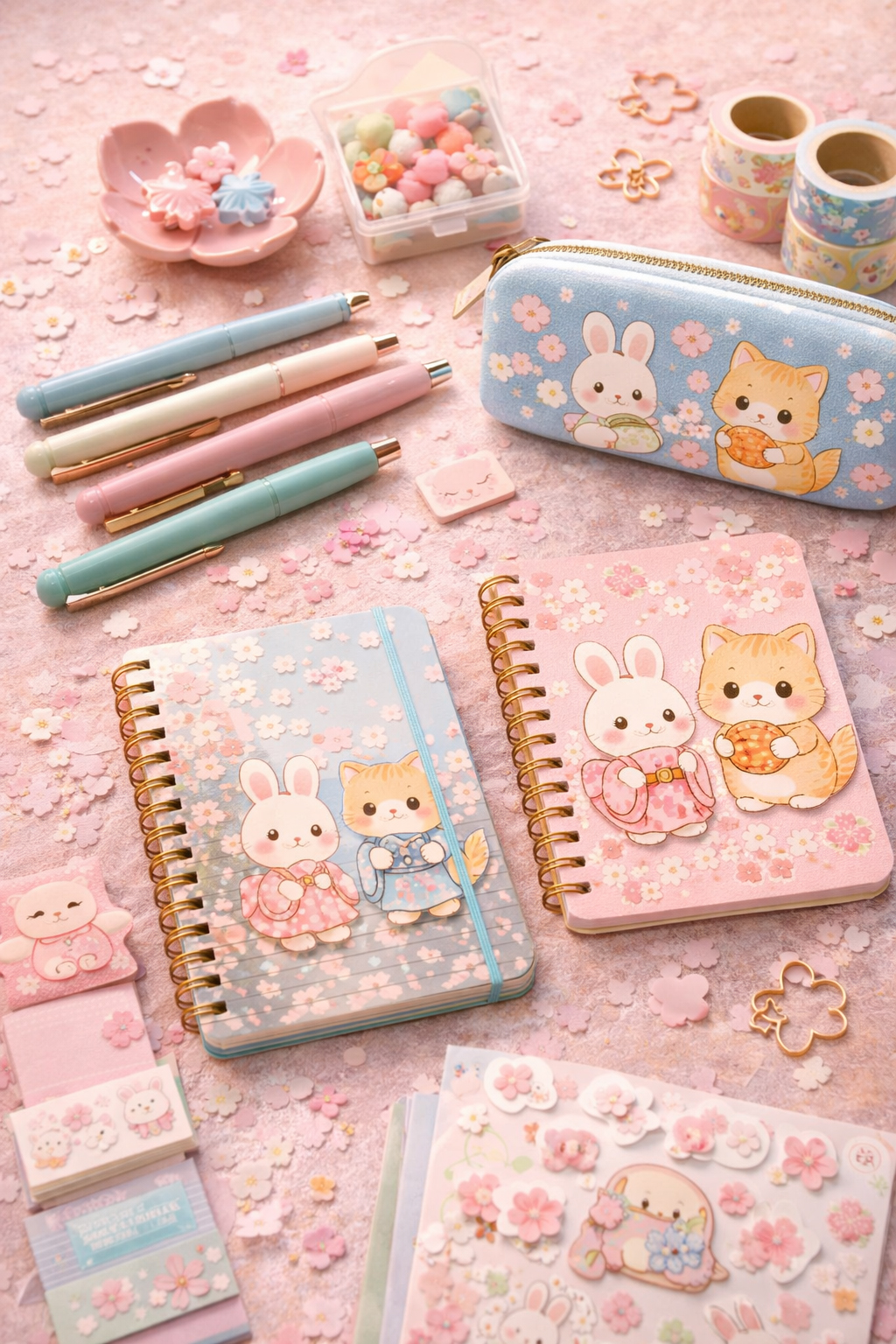
Colorful Japanese stationery and packaging textures
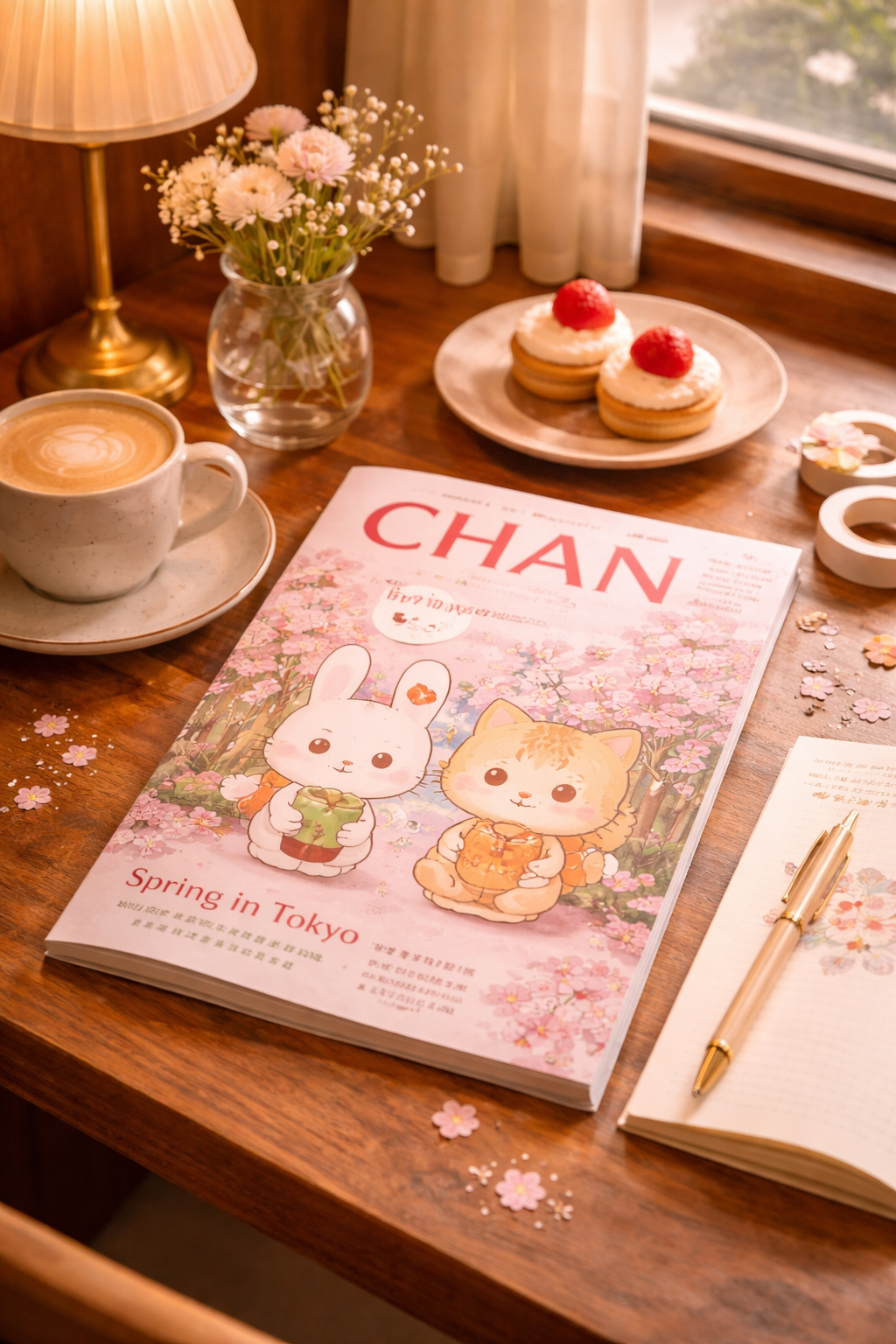
A cozy Japanese table with magazines and everyday design details
Six reasons

Why it feels so different

The answer is not one thing. It is a whole design culture working quietly in the background.

Paper textures and careful design details
01 · Care is visible

You can often see the effort immediately

A fold is cleaner. A label sits more quietly. A ribbon feels proportional. A tray fits exactly. The object does not seem thrown into a container and sent away. It seems introduced.

That visible care changes how people interpret the product itself. They begin to assume the inside has also been treated well.
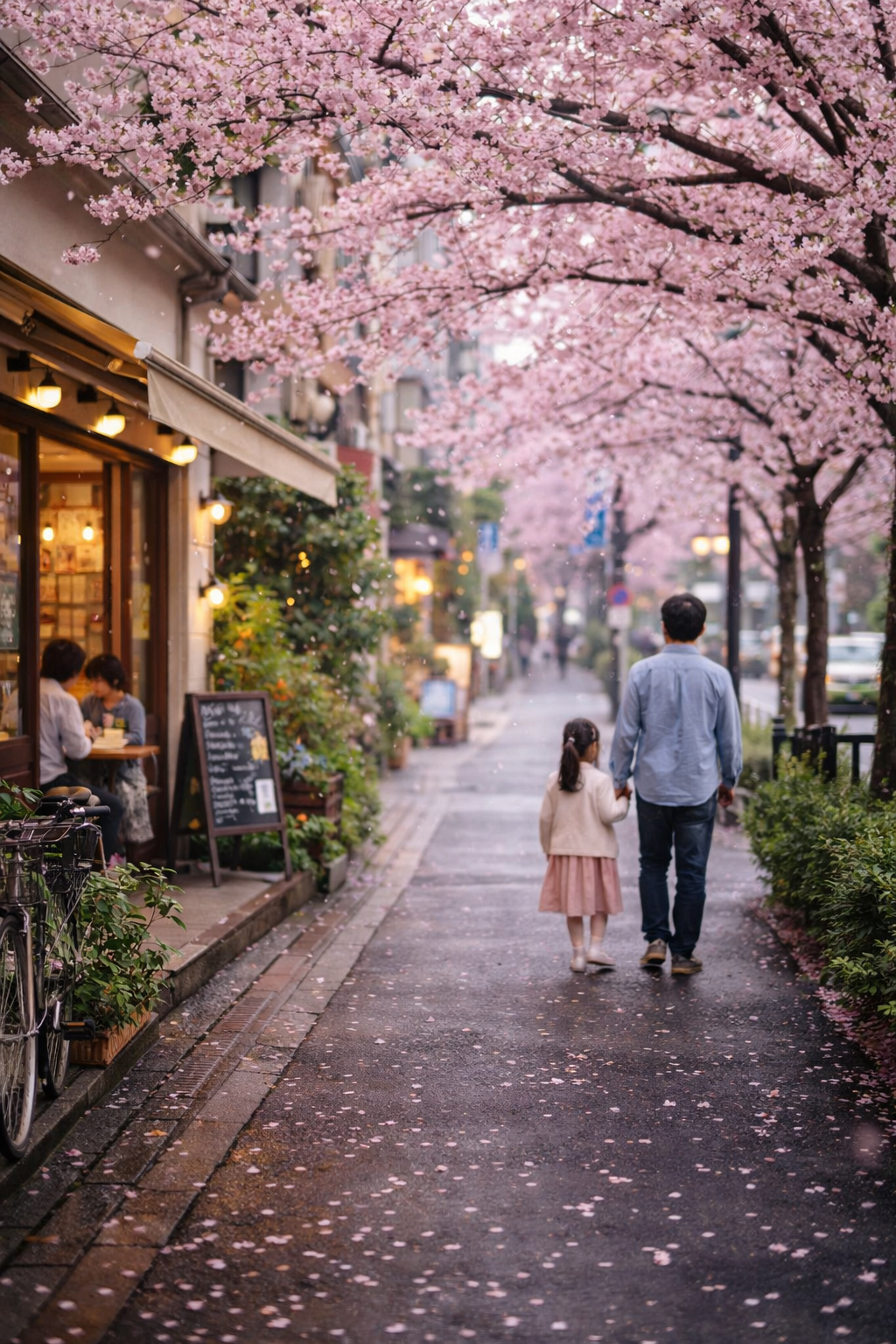
Seasonal spring atmosphere and soft color mood
02 · Seasonality matters

Packaging often knows what time of year it is

One of Japan’s quiet strengths is its seasonal sensitivity. This reaches into packaging too. Colors shift. motifs change. limited wrappers appear. a snack in spring does not have to feel like the same object it is in autumn.

That seasonal awareness makes packaging feel alive rather than generic.

A quiet refined mood with tea and rain
03 · Restraint creates elegance

It is often designed not to shout too much

Japanese packaging can certainly be bright and playful, especially in character culture or snack aisles. But even then, there is often a strong sense of composition.

And in more refined contexts, restraint is one of the great secrets. The special feeling can come from what is omitted: fewer words, calmer spacing, softer paper, quieter color, better balance.

Neatly arranged sweets and packaging mood
04 · The small purchase is treated with dignity

Even modest things can arrive beautifully

This is one of the most affecting parts of Japanese packaging culture. The item does not have to be expensive for the presentation to feel intentional.

A convenience-store sweet, a bakery item, a souvenir cookie, or a stationery purchase may still arrive with enough neatness to make the exchange feel pleasant rather than merely transactional.

Giftable object and cute shop detail mood
05 · Gift culture is built into the logic

Many things are packaged as if they might be given

In Japan, the culture of omiyage, seasonal gifts, small thank-yous, and polite exchanges affects everyday design decisions. Packaging often feels ready to travel from one person to another gracefully.

That makes even self-purchases feel slightly ceremonial. The object looks like it belongs in someone’s hands.

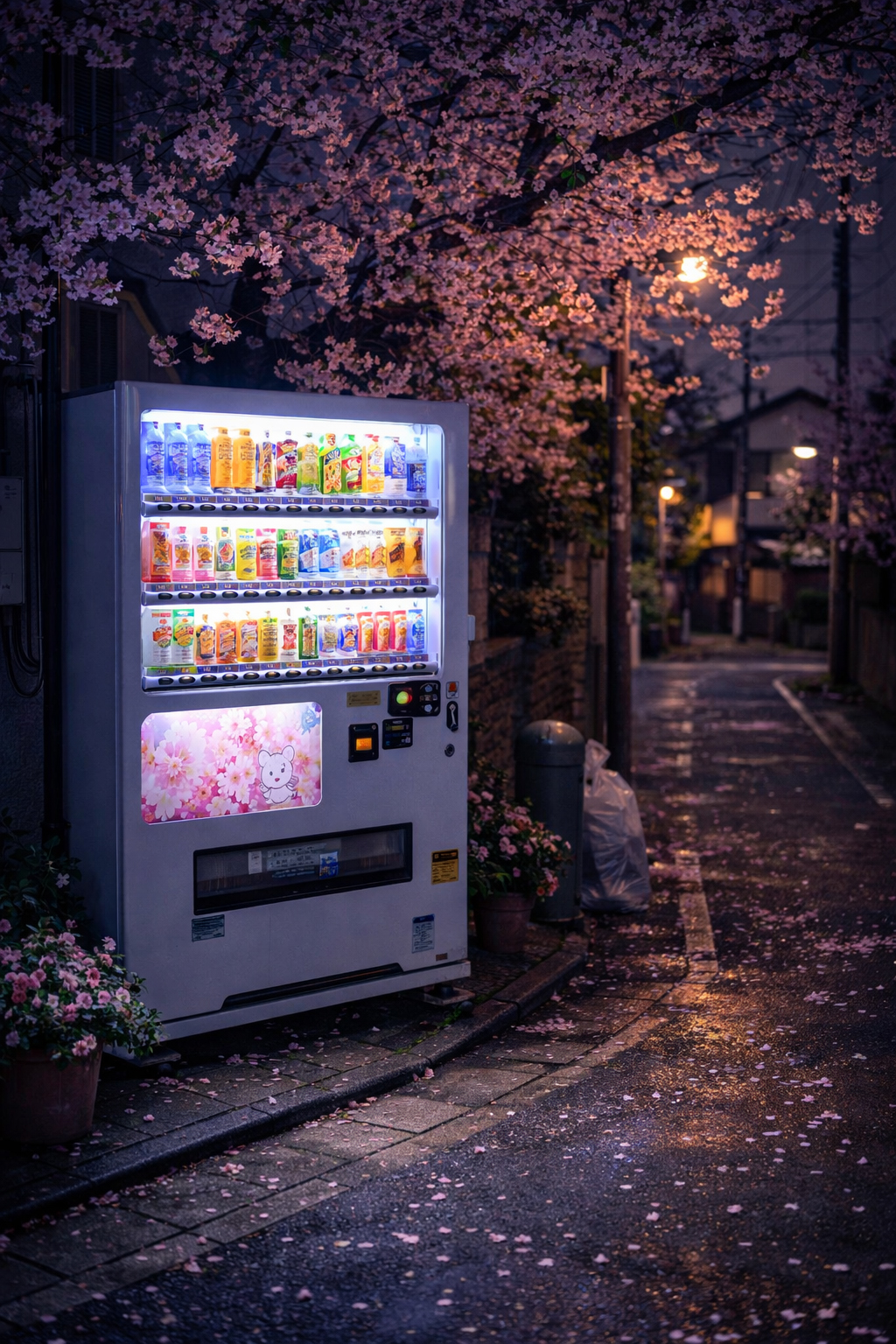
Everyday Tokyo design and illumination mood
06 · It often respects the moment of opening

The reveal is part of the experience

Good Japanese packaging frequently understands sequence. Outer layer. inner layer. tissue. fold. label. tray. the angle of first sight.

You do not just receive the thing. You arrive at it. That journey, even when very short, is part of why the whole experience feels special.

One reason Japanese packaging feels beautiful is that it often seems to understand the emotional life of receiving.
Not just the object. The moment.

Where people notice it most

Three everyday places where the feeling becomes obvious

You do not need a luxury store to notice it.

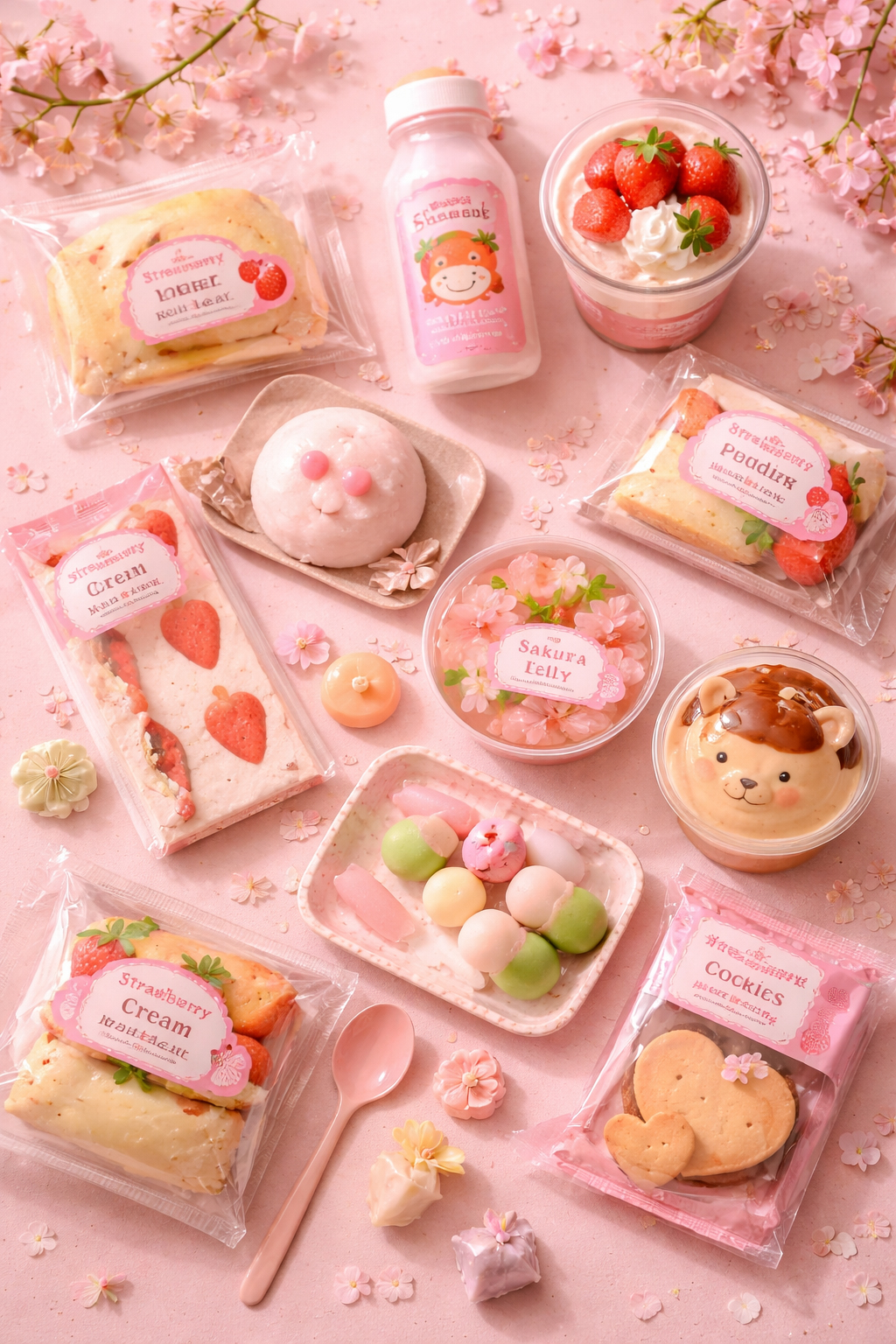
Convenience store sweets and packaging mood
Convenience stores

Even fast purchases can feel composed

The dessert, sandwich, or drink may still feel like it was designed for a human mood, not only for speed and margin.

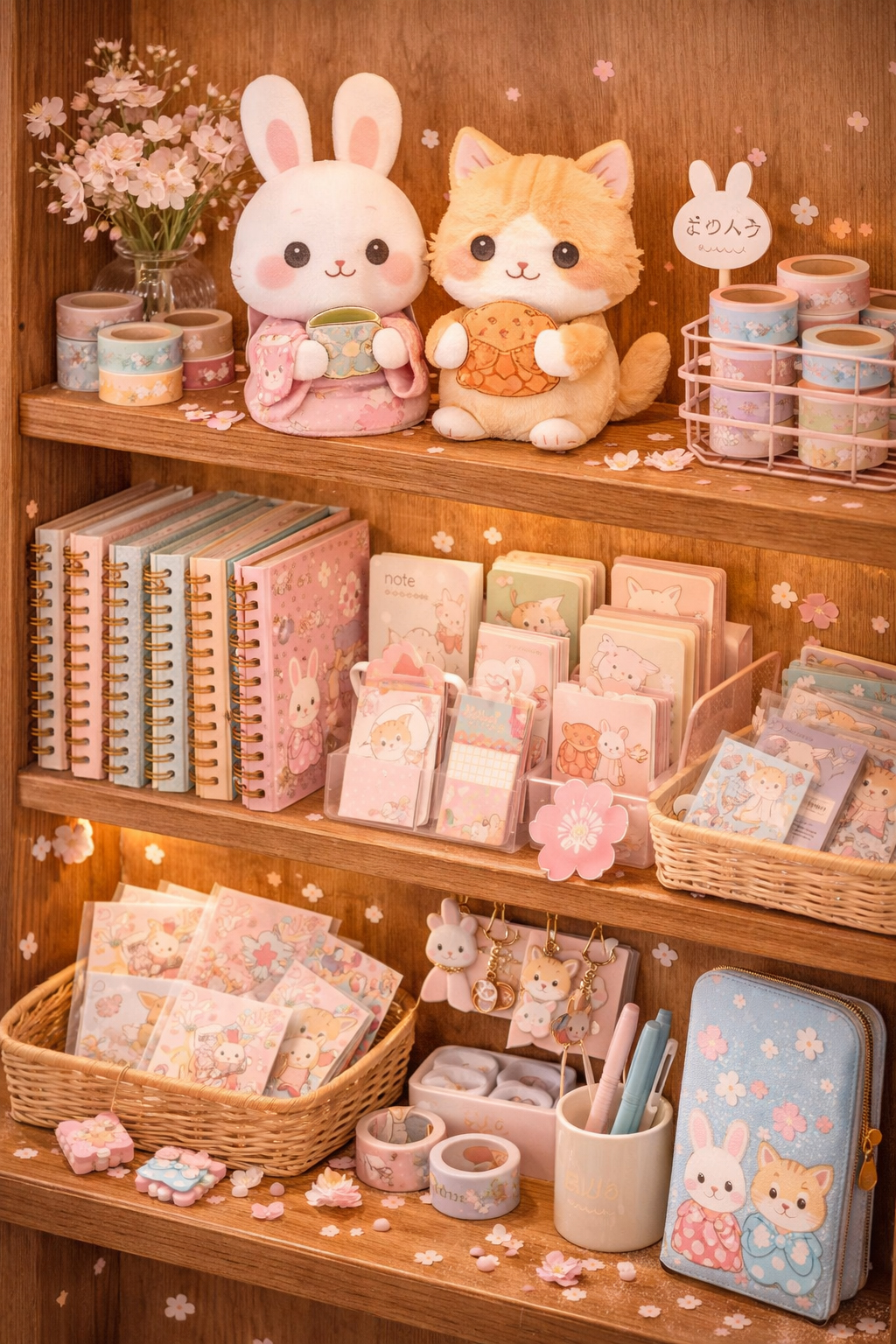
Japanese stationery and giftable packaging mood
Stationery and lifestyle shops

Practical objects are treated as emotional objects too

A pen, notebook, sticker, or memo pad can feel gift-ready, desk-ready, and visually calming all at once.

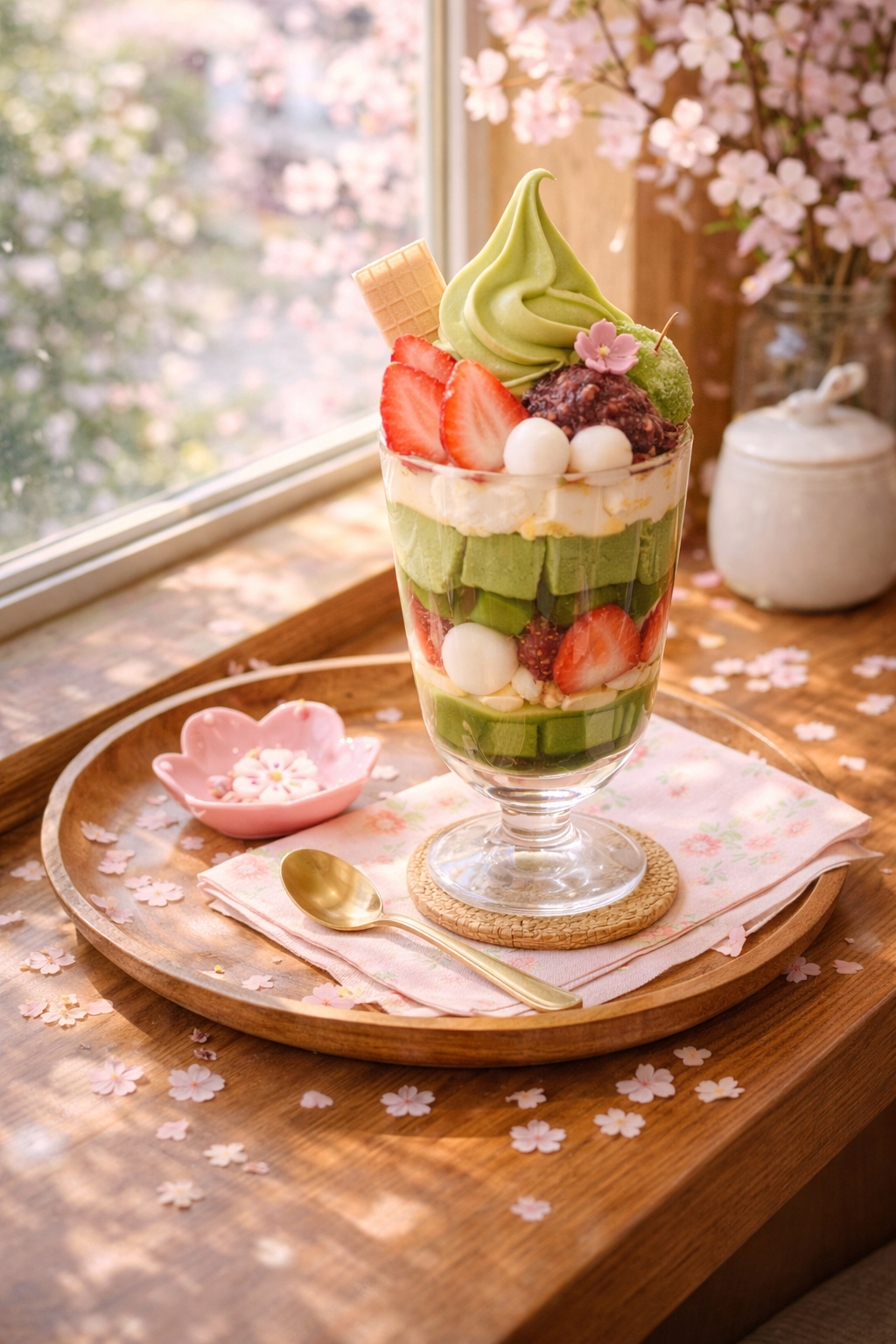
Dessert presentation and packaging mood
Sweets and omiyage

Packaging becomes part of taste memory

A dessert box or gift sweet is often remembered not only for flavor, but for the mood of opening it.

A quiet theory

Japanese packaging often feels special because it assumes presentation is part of care.

Not superficial care. Not empty decoration.

Care as preparation. Care as social courtesy. Care as atmosphere. Care as a way of saying: this object, this season, and this exchange deserve a little more thought.

paper and texture seasonality gift culture quiet luxury
Why it matters

Packaging changes expectation

A carefully presented object often feels better before it is even used, tasted, or opened fully. That emotional lift is part of the real value.

Design lesson

Special does not always mean expensive

Sometimes the effect comes from sequencing, balance, and proportion rather than luxury materials or large budgets.

Emotional lesson

People notice being handled carefully

That is true for objects too. Packaging can be one of the quietest and strongest ways a culture communicates that principle.

A warm ending to a thoughtful Japanese design feature
Closing note

Maybe that is why Japanese packaging feels so memorable. It often makes receiving something feel slightly more human.

It slows the eye down. It gives the object a setting. It softens the exchange. And in a world full of rushed transactions, that small softening can feel unexpectedly beautiful.