

Featured page
Twelve Cutest Haiku
A collection of tiny, sweet, soft-hearted poems inspired by Tokyo light, desserts, rain, stationery, and everyday little joys.
Open this pageHaiku are tiny, but they can hold a surprising amount of weather, light, feeling, and daily life. A cup by the window. A ribbon on a gift box. A quiet street after rain. A leaf that lands exactly where it should.
This section is for reading small poems slowly and learning how to write your own in a way that feels gentle, clear, and alive.
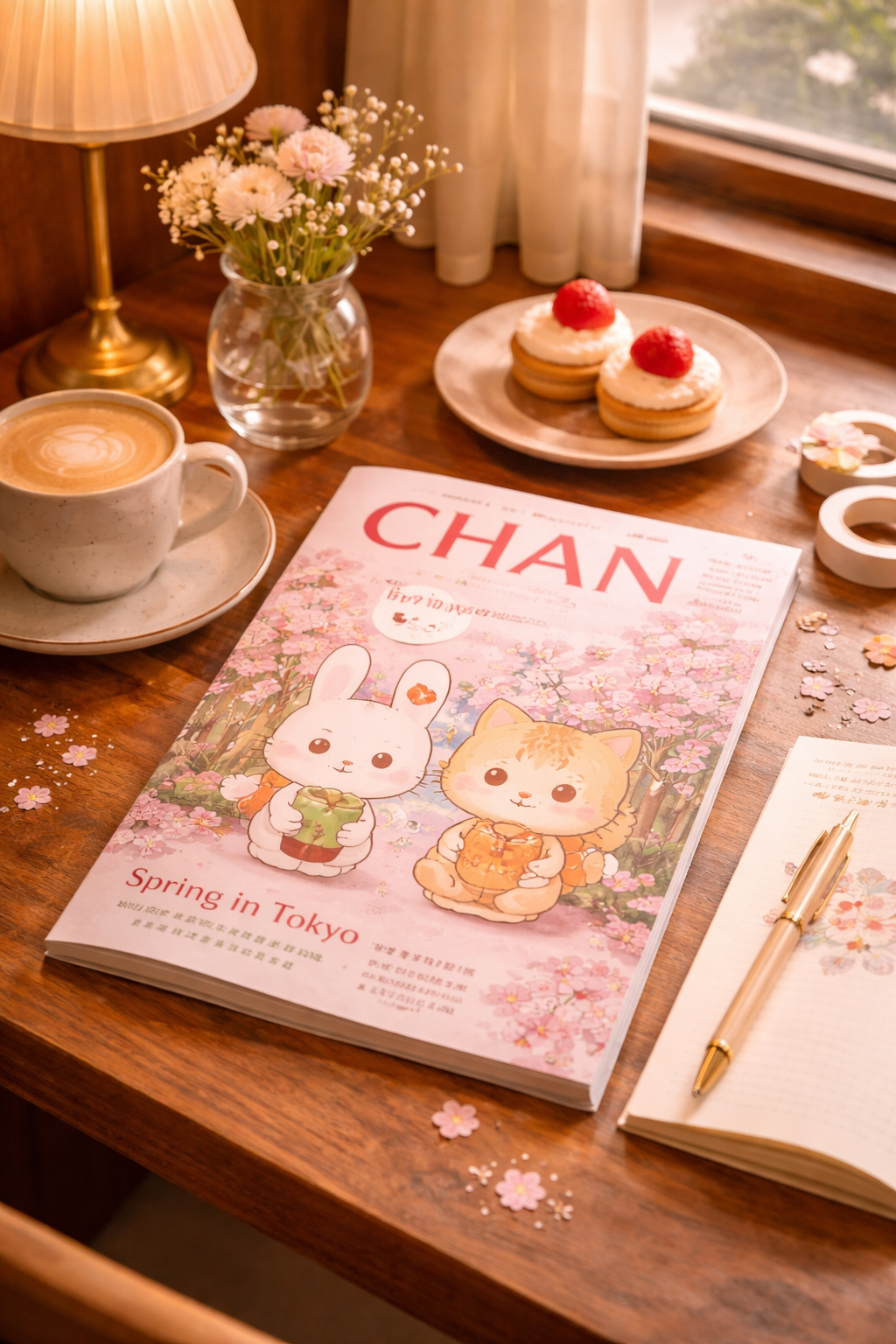
Haiku work beautifully with the world of chan.co.jp. They notice tiny things: weather on glass, a soft street corner, a sweet on a plate, a quiet room, the exact mood of morning.
They do not need to explain everything. They only need one clear image and one true feeling. That makes them a perfect form for a site that cares about detail, atmosphere, and everyday beauty.

Start with poems, then write your own while the mood is still near.
A collection of tiny, sweet, soft-hearted poems inspired by Tokyo light, desserts, rain, stationery, and everyday little joys.
Open this page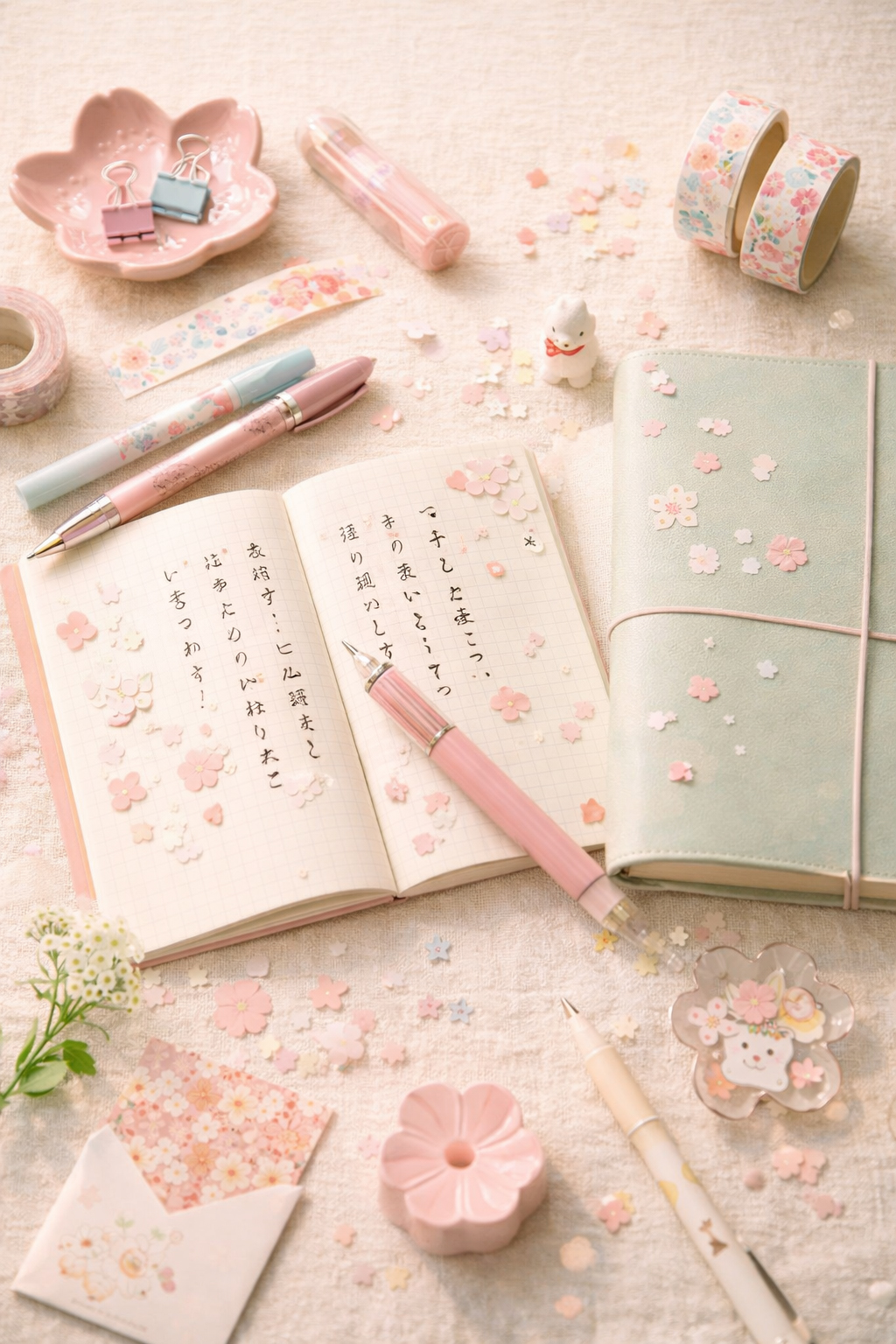
A warm can from a vending machine. A ribbon. A bicycle bell. A single leaf on a saucer. Haiku love small entrances.
A haiku does not need to be loud.
It only needs to notice something quietly and well.
You do not need to sound ancient, formal, or mysterious. You only need attention.
Do not begin with an abstract idea like love, loneliness, or beauty. Begin with something you actually saw, heard, touched, or noticed.
A haiku works best when the reader can see the scene quickly. Use concrete words. Let the picture do the work.
Do not explain the feeling too heavily. Let the image carry the mood. Readers enjoy haiku because they get to step into the space too.
Instead of saying “I felt peaceful,” show the thing that made peace visible.
Many haiku become memorable when the third line shifts the feeling slightly: warmer, sadder, funnier, quieter, or more tender.
In English, 5–7–5 can be a useful exercise, but it is not the only way to write a good haiku. If counting syllables makes the poem stiff, choose clarity and feeling first.
A short, light, natural poem is usually better than a forced one.
Haiku often feel richer when they touch a season: spring rain, summer light, autumn leaves, winter breath. You do not need a season word every time, but weather can add instant atmosphere.
Line 1: show the scene
Line 2: stay with the image
Line 3: give a tiny turn
This is simple, visual, and gentle. That is already enough.
These are good for children, beginners, and anyone who wants to loosen up.
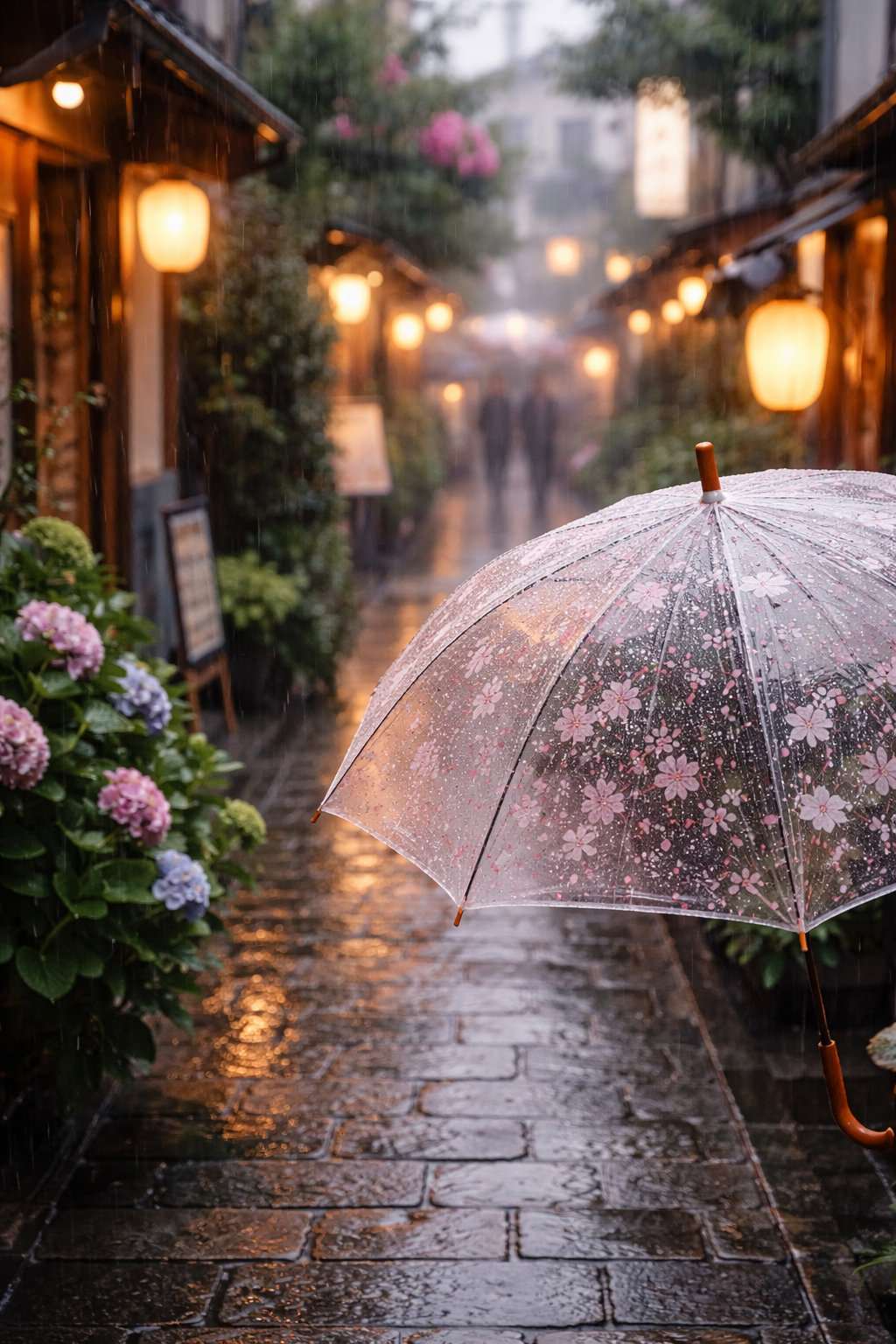
Choose rain, wind, sun, fog, heat, or cold. Keep it close and physical.
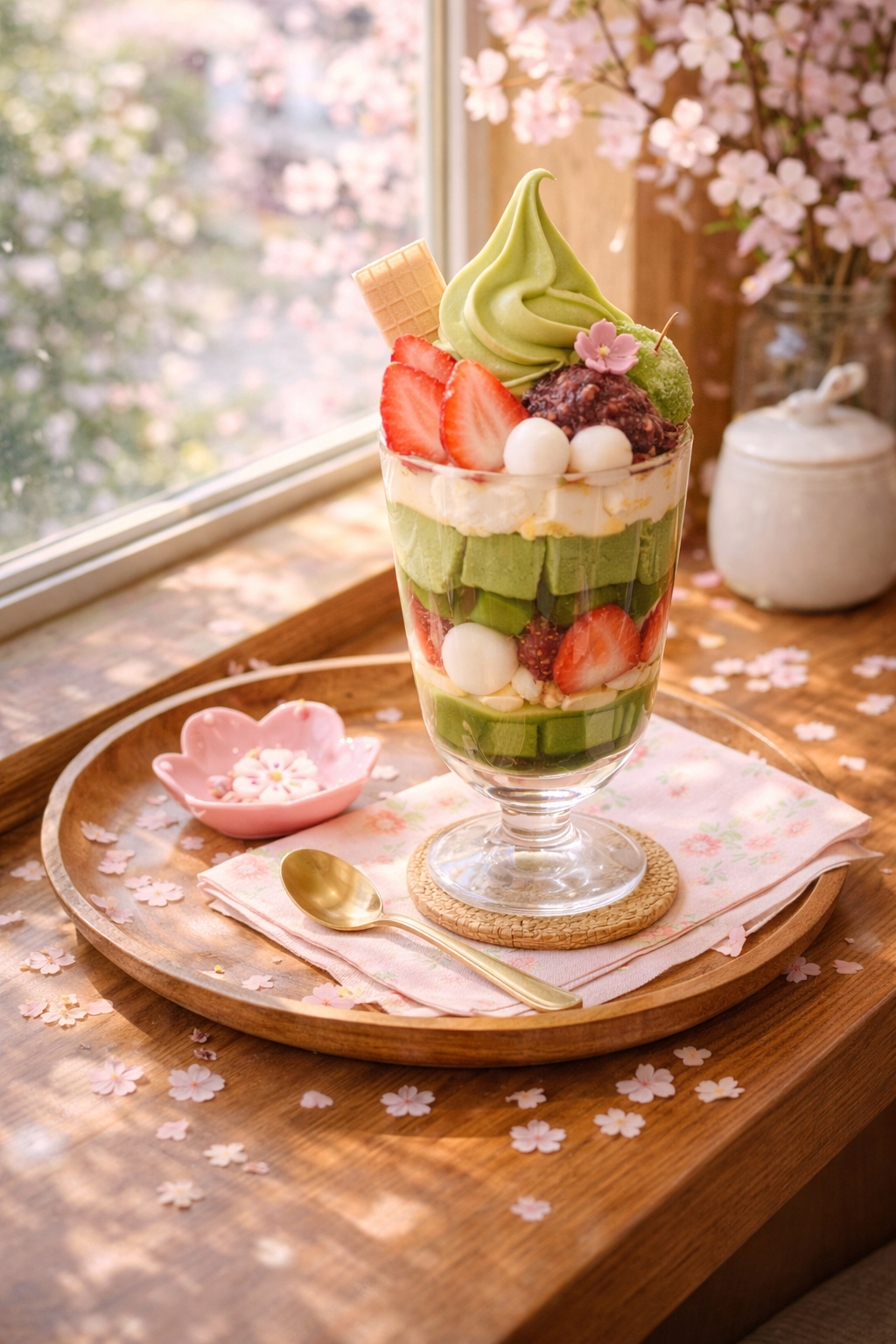
Not the whole meal. One detail: steam, spoon, wrapper, bite, scent, plate.
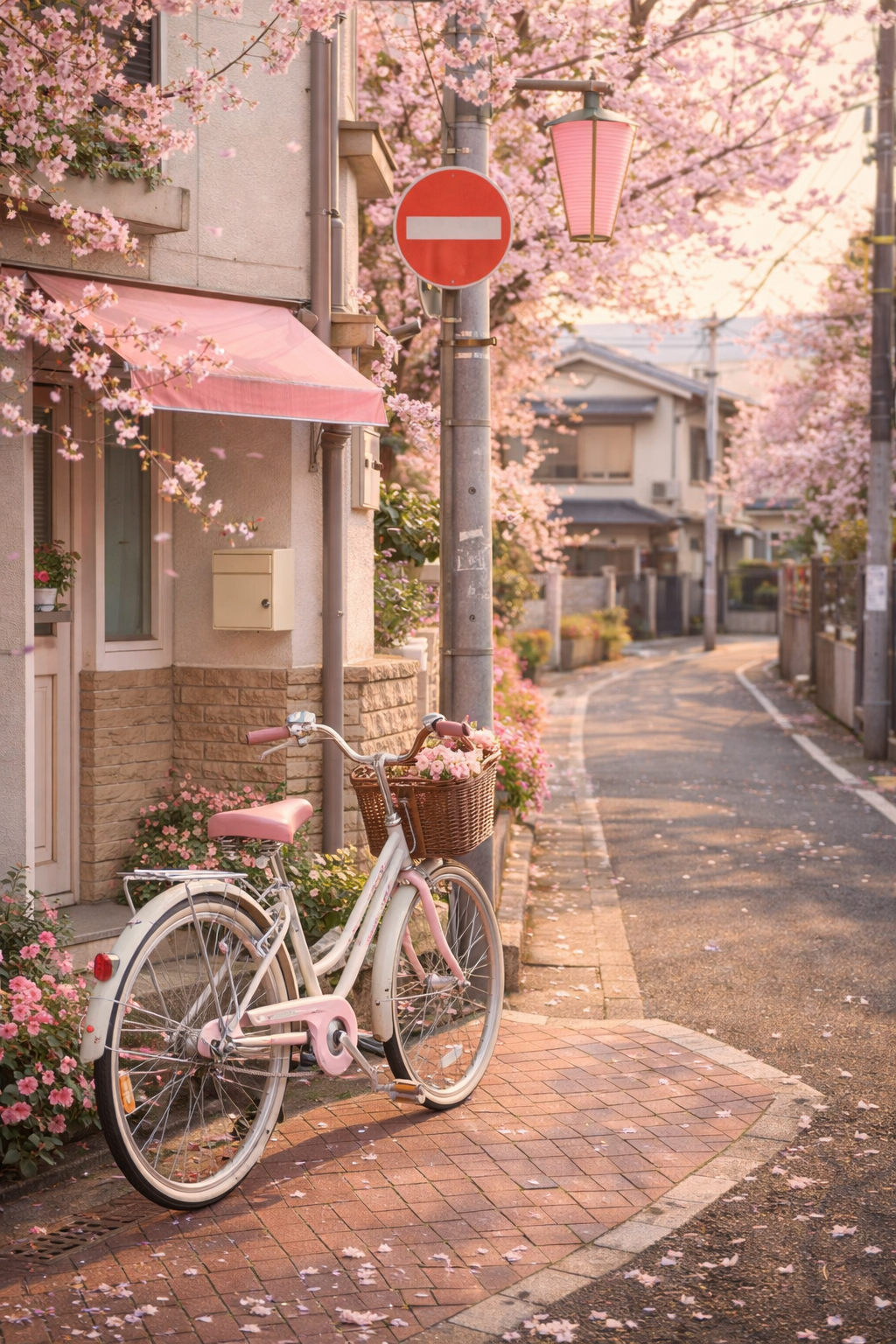
Notice one thing you would normally pass by. That tiny thing is probably the poem.
Start small. Be clear. Leave a little air in the poem. Let weather help. Let objects help. Let one tiny true thing carry the whole feeling. That is enough for a beautiful haiku.