Tokyo features

Why Kawaii Is More Than Cute

Kawaii is one of the most misunderstood words connected to Japan. Outside Japan it is often flattened into a simple visual category: pastel, adorable, childish, decorative, sweet. And yes, kawaii can be all of those things. But stopping there misses almost everything interesting about it.

Kawaii is not only a look. It is also a mood, a strategy, a design language, a social softness, a way of relating to objects, and sometimes even a way of surviving hardness without surrendering tenderness. That is why kawaii matters. It is not merely about appearance. It is about emotional atmosphere.

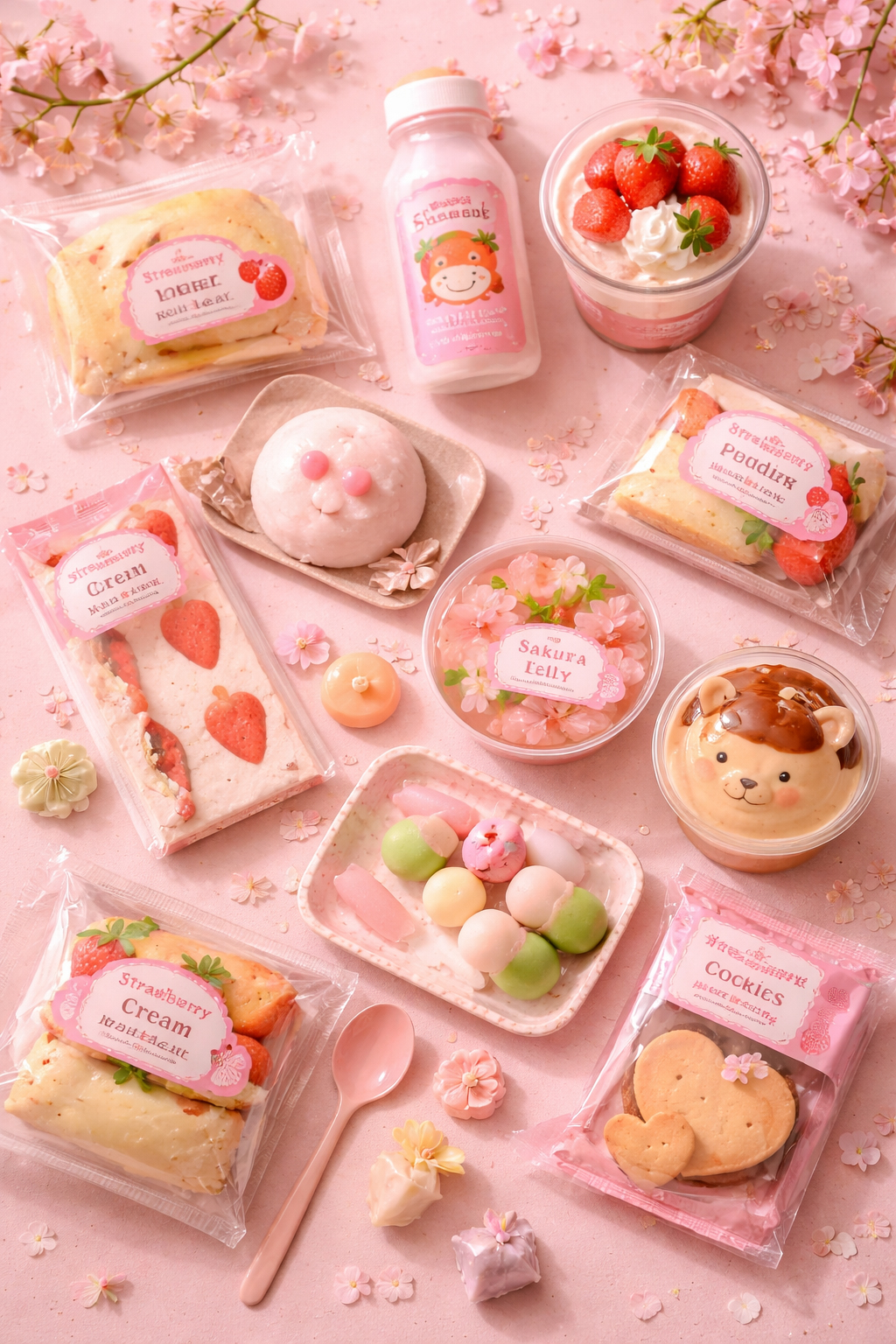
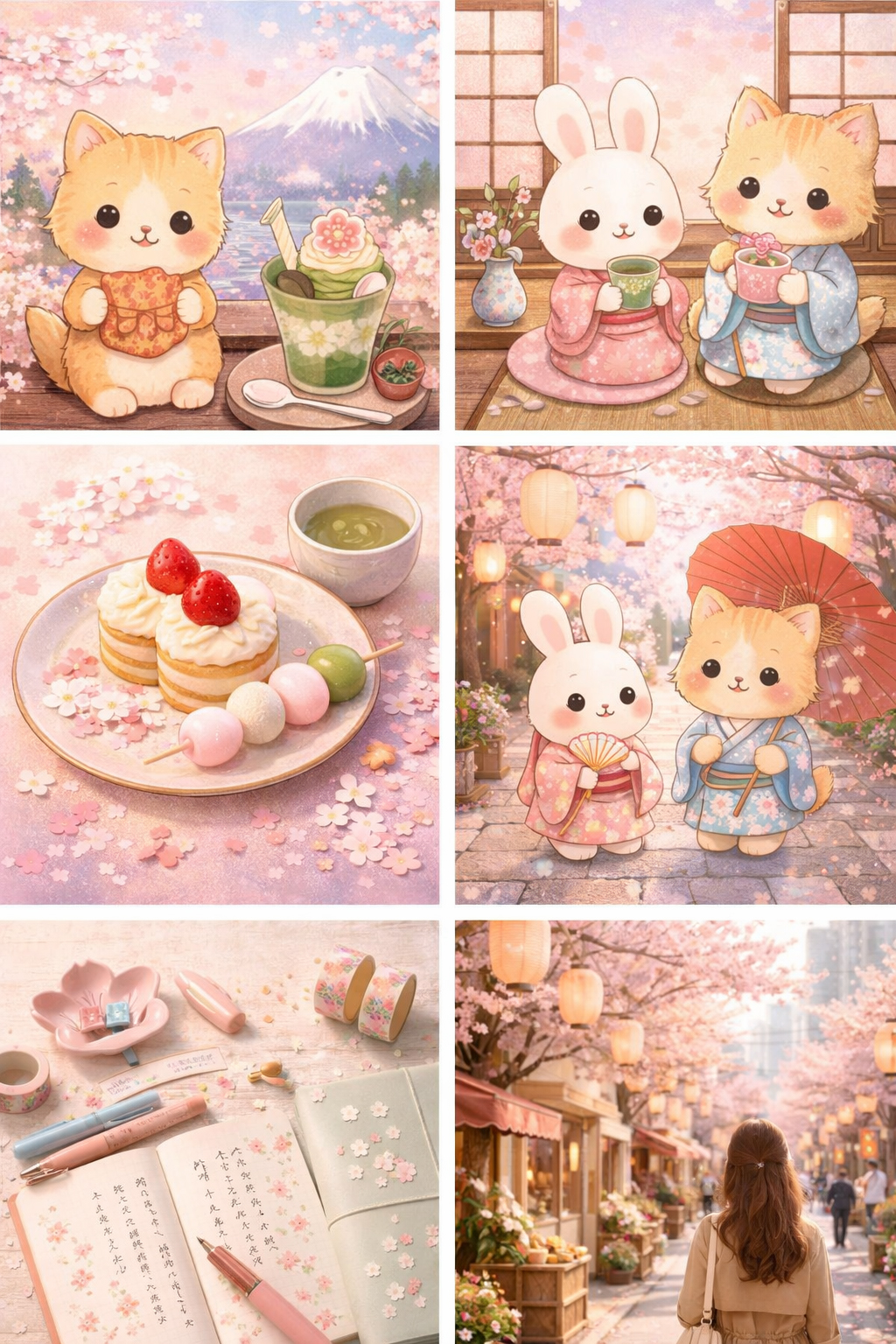
A kawaii lifestyle collage showing softness, color, and everyday charm
Feature mood softness, brightness, emotional intelligence, playful objects, visual tenderness, and the social life of gentle design
Best for readers who want to understand kawaii as a richer cultural and emotional idea, not only as surface decoration
A soft beginning

Kawaii is one of the ways Japan allows tenderness to stay visible.

This may be the most important place to start. In many cultures, adulthood is imagined as a gradual stripping away of softness. You become more efficient, less expressive, less openly attached to little things, less likely to decorate your life with objects whose main purpose is affection.

Kawaii complicates that story. It makes room for sweetness in public. It lets tenderness travel through stationery, mascots, snacks, fashion, packaging, cafés, accessories, and design details without needing to apologize for itself. It allows delight to remain socially legible.

This is not a small matter. It means that emotional gentleness can survive contact with ordinary life. A bag charm, a cute note paper, a tiny character on a sign, a dessert decorated with a face, a café room designed to feel soft rather than sharp — all of these become ways of changing the temperature of daily existence.

Kawaii matters because it protects that temperature.

Chan-chan note
Kawaii is not only about making things look adorable. It is also about making life feel more approachable, more affectionate, and a little less armored.
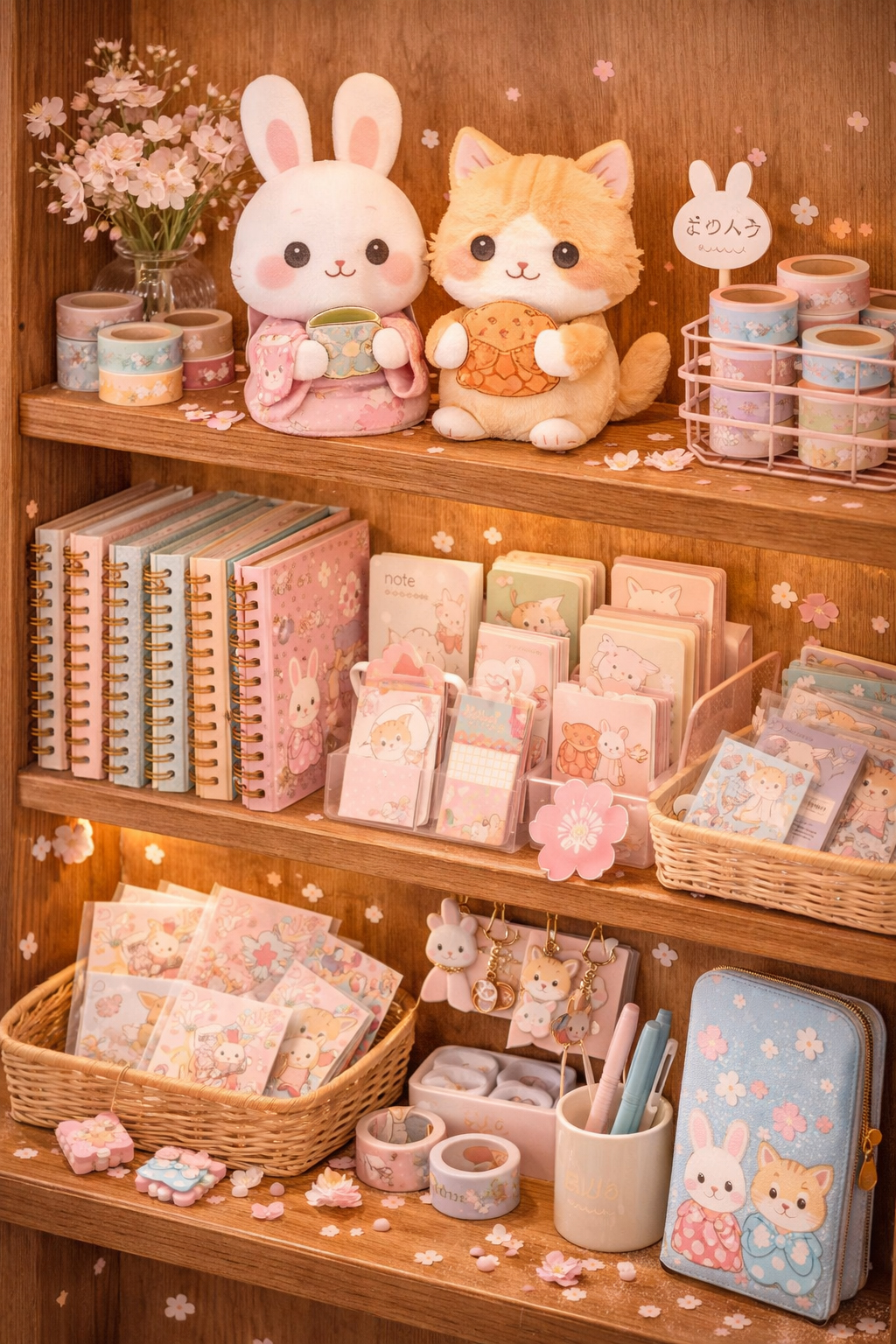
A cute Japanese shop shelf full of charming details
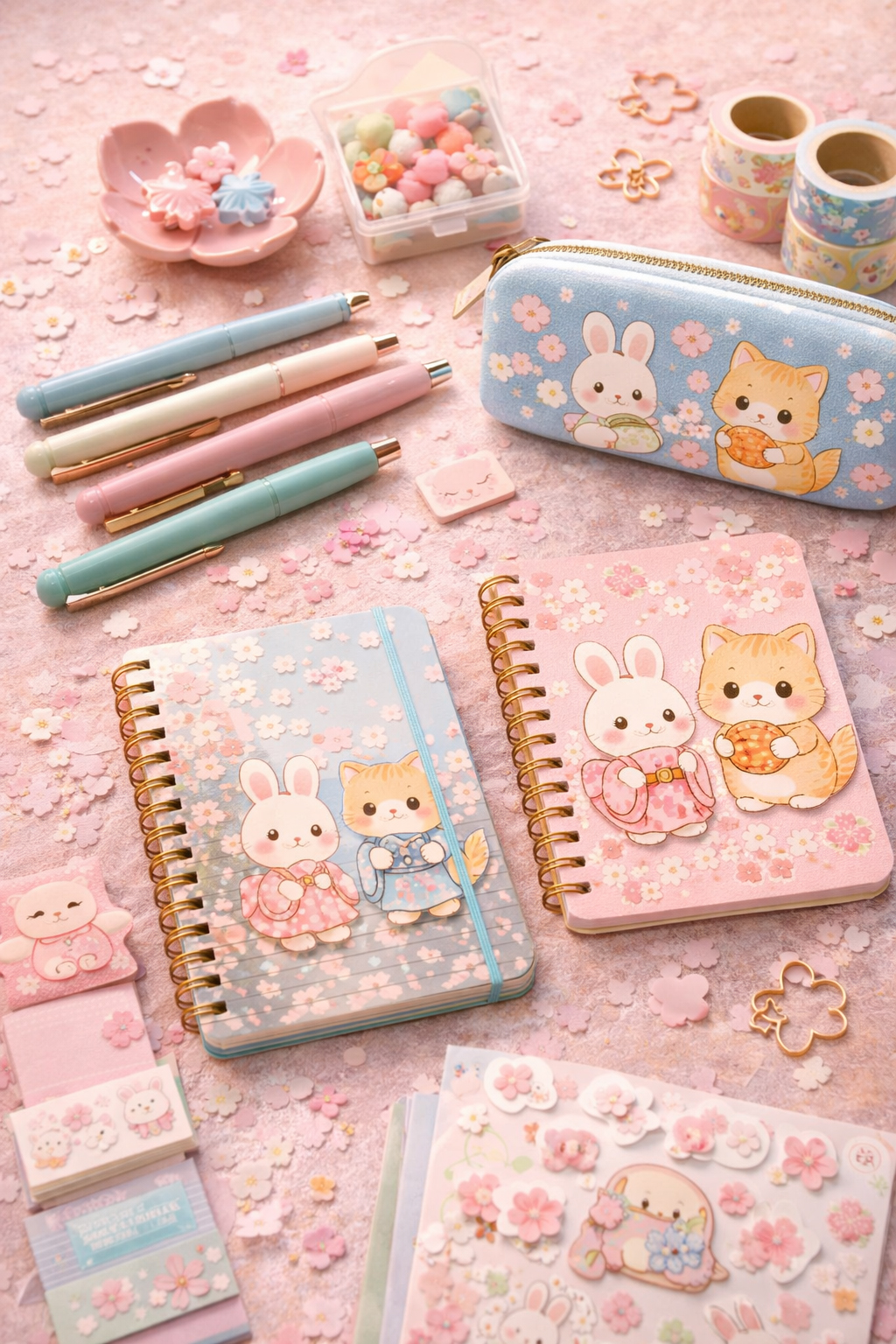
Colorful kawaii Japanese stationery
More than cute

What kawaii is really doing

The surface is adorable. The function is more complex.

A playful kawaii lifestyle composition
Emotional design

Kawaii softens the world without denying it

One of the reasons kawaii has such staying power is that it changes the emotional feel of things without pretending difficulty does not exist. A train station can still be efficient and crowded, but a mascot, a friendly sign, or a softer visual language can make the environment feel less abrasive. A product can still be practical, but its design can make the interaction gentler.

This is one of kawaii’s hidden strengths. It does not necessarily solve stress. It lowers the hardness of the interface. It gives the user, viewer, or passerby a small emotional cushion.

And in daily life, cushions matter. Small softening gestures often shape our love for a place more profoundly than grand statements do.
Cute objects and charming retail detail
Permission and identity

Kawaii lets people signal selfhood in quieter, safer ways

Not everyone wants to express individuality through confrontation. Kawaii offers another route. A notebook, keychain, pouch, phone charm, café choice, or room decoration can become a soft declaration of taste and temperament.

This matters especially in environments that can otherwise feel orderly, social, and tightly coded. Kawaii provides a spectrum of expressive freedom that does not always need to become openly oppositional. It allows play, attachment, and preference to remain visible.

In that way, kawaii can function as subtle identity work. Not loud self-branding. More like emotional handwriting.

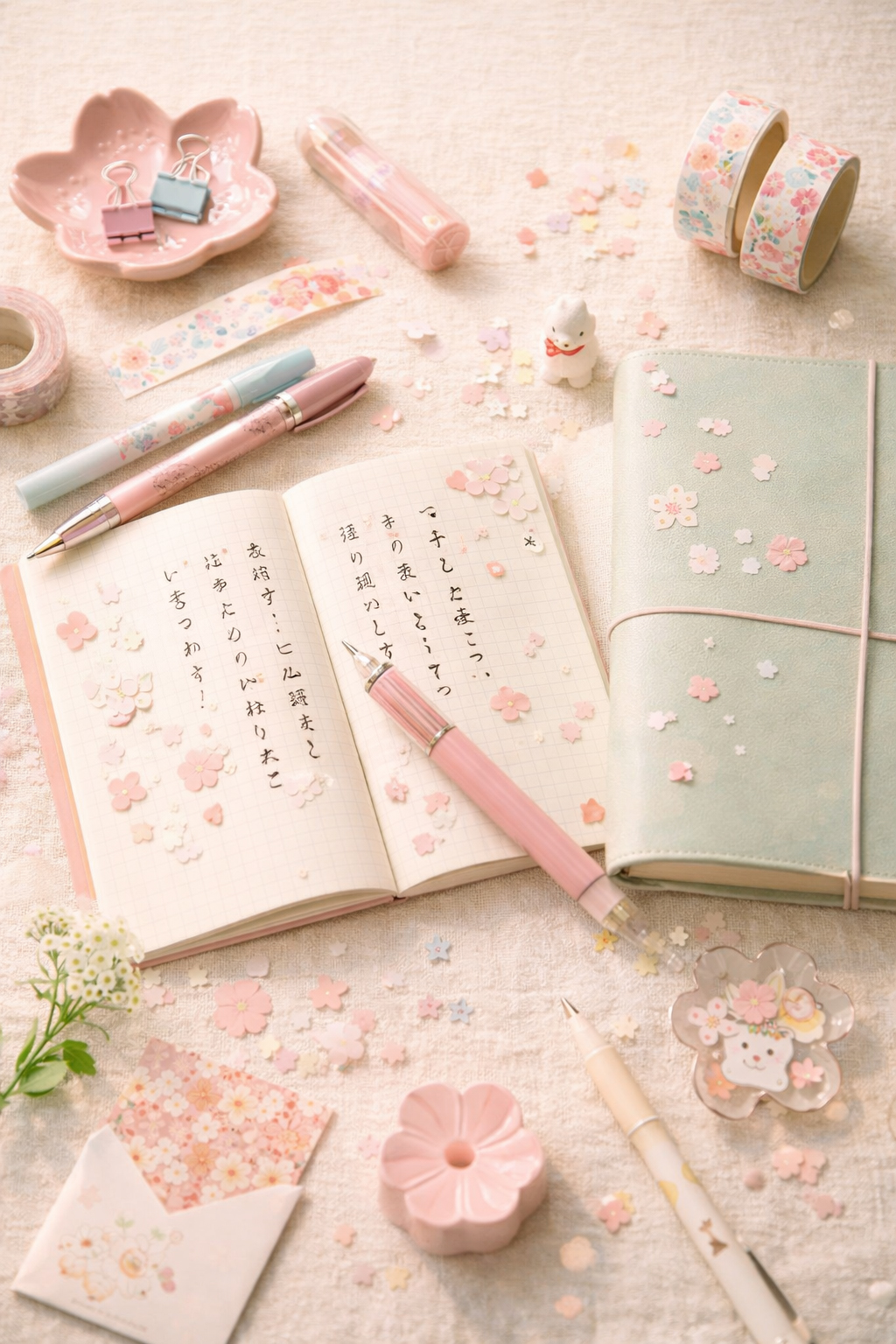
Cute stationery with emotional warmth
The dignity of little things

Kawaii treats the minor as worthy of beauty

A huge amount of kawaii culture lives not in grand fashion or famous districts, but in the ordinary: memo pads, stickers, snack wrappers, bento accessories, pen cases, train goods, lunch boxes, hand towels, little desserts, and seasonal items that would be forgettable in other contexts.

What kawaii does here is profound in its modesty. It says small things deserve care. Small pleasures deserve design. Small routines deserve brightness.

This is one reason kawaii can feel so healing. It improves the emotional surface of the everyday.

Beautifully arranged paper goods and cute design
Form and intelligence

Kawaii is often better designed than critics admit

People who dismiss kawaii as trivial often fail to notice how carefully it is composed. Color balance, line softness, proportion, spacing, material choice, character expression, and tactile experience all matter. Kawaii is not only spontaneity. It is frequently a highly refined visual language.

The best kawaii objects are not merely overloaded with sweetness. They understand rhythm. They know how much face, how much curve, how much color, how much blank space, how much charm is enough.

In this sense, kawaii is not the opposite of design discipline. It is one of its forms.

Soft seasonal charm and kawaii atmosphere in Japan
Seasonal tenderness

Kawaii often helps the calendar feel emotionally alive

Japan is exceptionally good at making the seasons visible through small objects and visual cues, and kawaii is part of that machinery. A spring motif does not have to arrive as a solemn art statement. It can arrive through a little character, a blossom colorway, a seasonal dessert decoration, or a limited-edition stationery set.

That does not make the season less meaningful. Sometimes it makes it more intimate. Kawaii can bring the calendar into your hand, onto your desk, into your bag, onto a café plate, or into a tiny object you touch every day.

It is another way Japan teaches emotion through scale.

Cute Japanese sweets and beautiful presentation
Consumption and comfort

Kawaii is commercial, but commerce is not the whole story

Of course kawaii is deeply entangled with retail and branding. It sells products. It helps markets move. It can be commodified, flattened, and mass-produced. All of this is true.

But reducing kawaii to commerce is no more accurate than reducing music to the existence of the music industry. The commercial circulation of kawaii does not erase its emotional, social, or aesthetic meanings. It only complicates them.

The important question is not whether kawaii is sold. It is what people are buying emotionally when they choose it: softness, reassurance, self-expression, play, companionship, levity, or a way to make the day feel less severe.

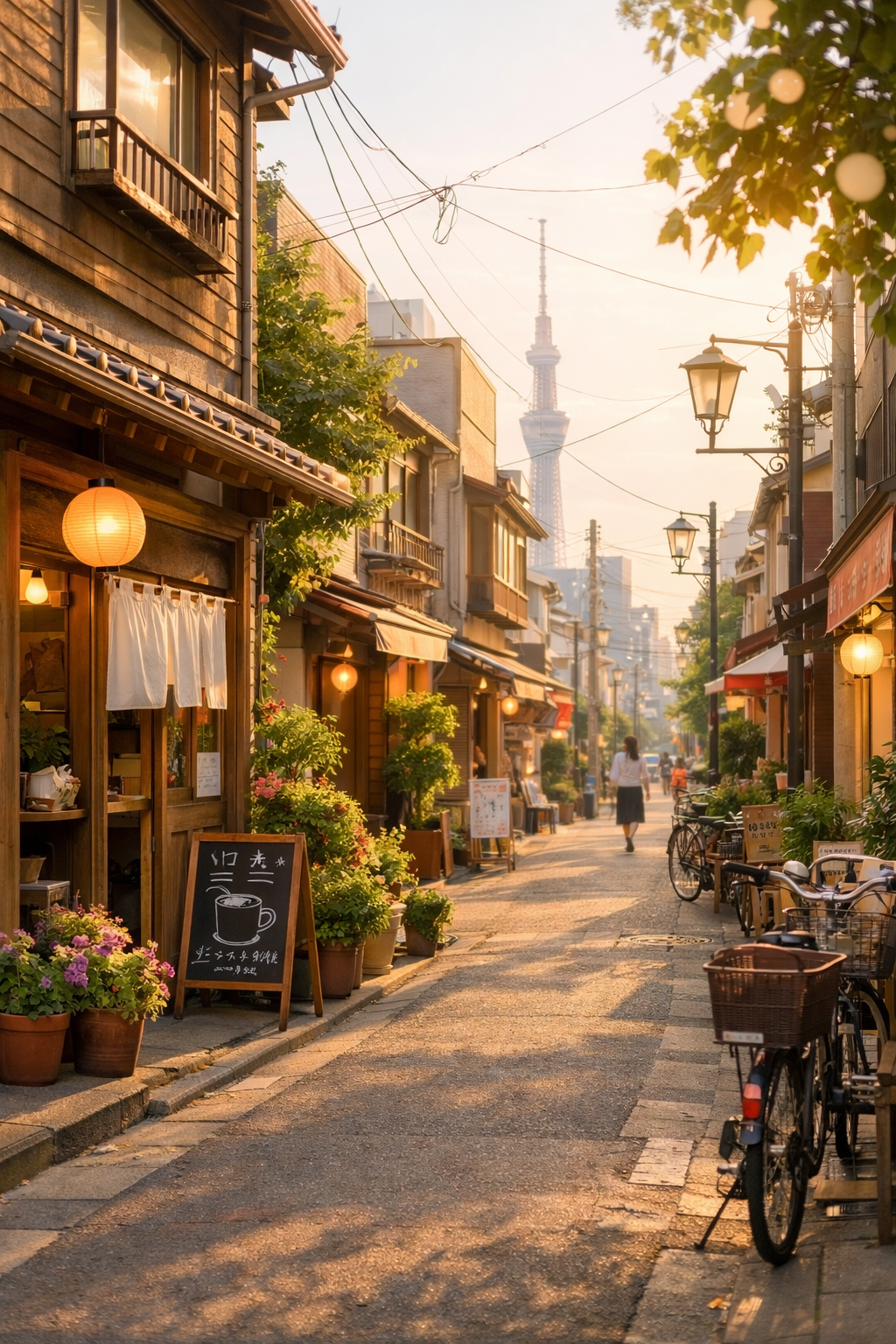
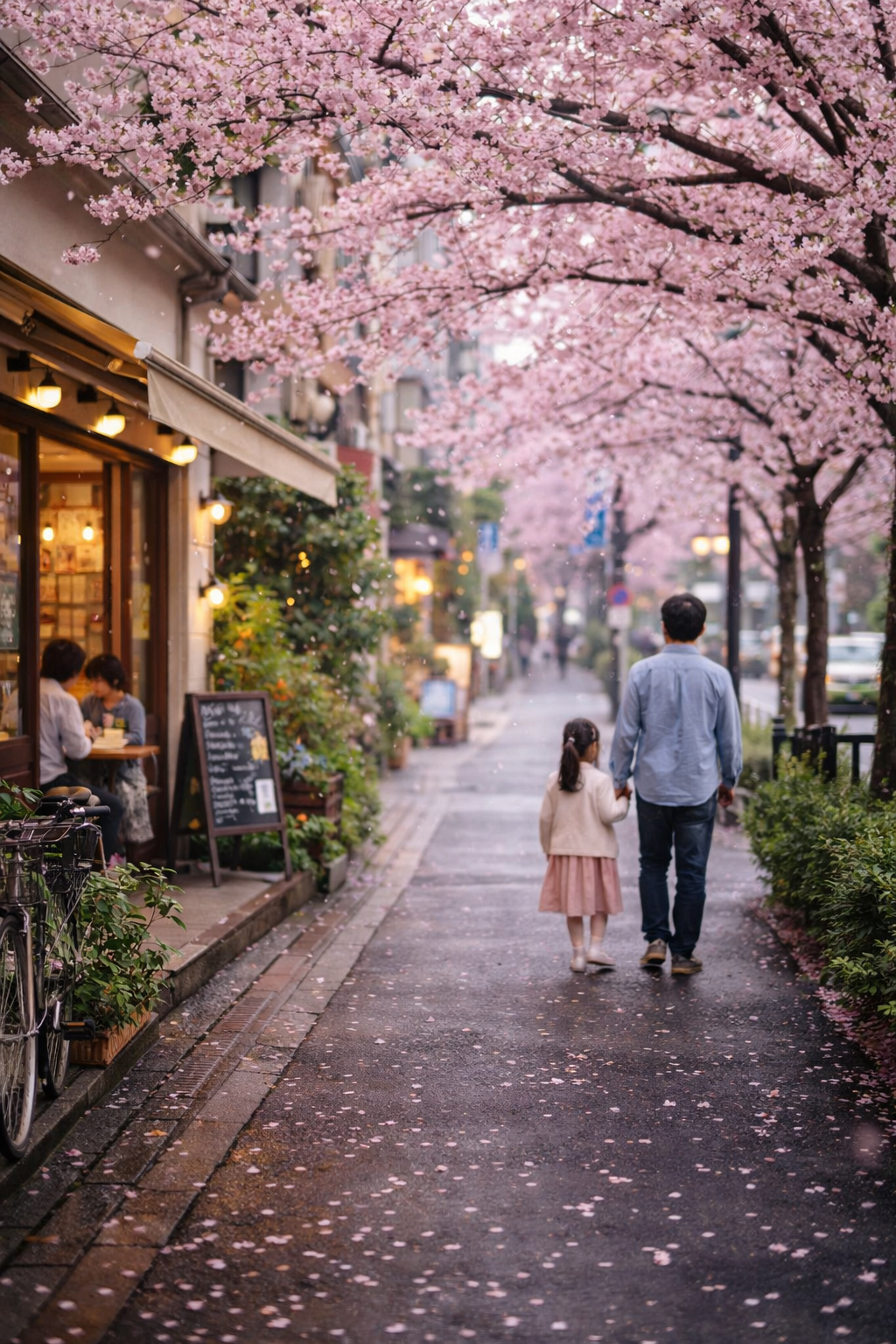
Soft urban atmosphere in Tokyo connected to kawaii culture
Social atmosphere

Kawaii changes how public space can feel

One of the least discussed but most powerful things kawaii does is alter the emotional tone of shared environments. Characters on municipal signs. cute warnings. friendly mascots for prefectures, stations, campaigns, police, sanitation, events, and institutions.

This is not random decoration. It is an atmospheric strategy. It makes institutional space less cold. It translates authority into a gentler visual register. It lowers the social temperature of rules and instructions.

Sometimes critics see this and laugh. But the joke is too easy. The better question is why so many people respond positively to environments that appear less hostile and more companionable. Kawaii often provides that answer.

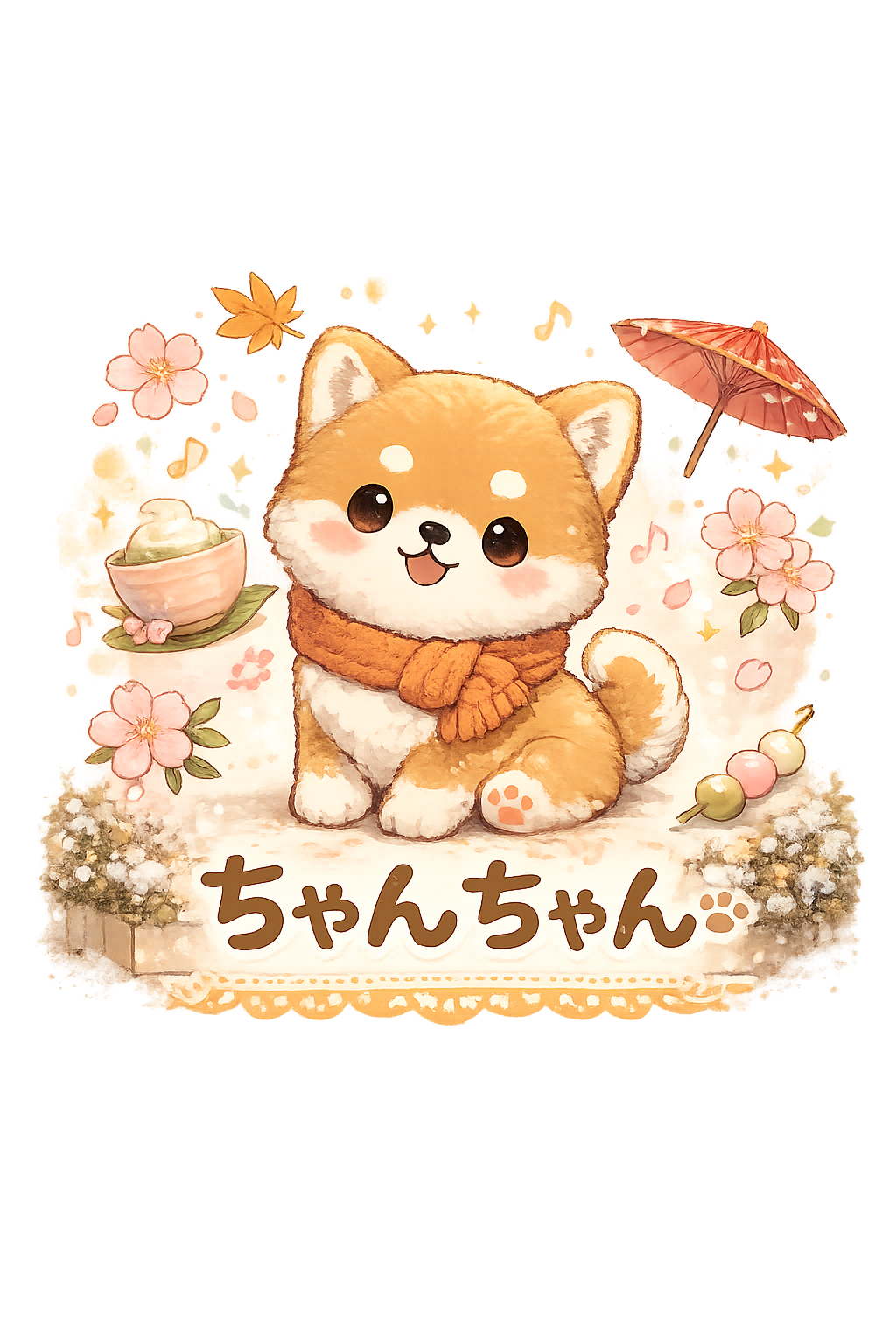
Chan-chan character and kawaii emotional presence
The deep emotional logic

Kawaii protects vulnerability by making it visible without making it unbearable

This may be the deepest reason kawaii is more than cute. It gives form to tenderness in a world that can be sharp. It allows a person or object to appear approachable, harmless, gentle, affectionate, or in need of care.

That invitation to care is important. It activates response. It creates relation. Something kawaii does not only sit there. It asks for a certain emotional posture from the viewer: softness, attention, fondness, protectiveness, or simple affection.

In this sense, kawaii is a social technology of gentleness. It encourages the heart to lean forward instead of hardening.

Kawaii is more than cute because it does more than decorate.
It changes the emotional temperature of objects, spaces, and daily life.

How to read kawaii better

Three better ways to understand its power

It helps to stop asking only what kawaii looks like, and start asking what it does.

Colorful kawaii objects and stationery
Read it emotionally

Ask how it makes a space or object feel

Does it soften? Reassure? Invite? Cheer? Comfort? Kawaii often has a practical emotional effect, even when the form seems simple.

Cute Japanese retail display detail
Read it socially

Notice what kinds of behavior it permits

Kawaii often makes tenderness, playfulness, and attachment more socially visible. That is one of its real cultural powers.

Kawaii lifestyle and emotional design collage
Read it aesthetically

Take its design discipline seriously

The strongest kawaii is rarely accidental. It is often carefully proportioned, paced, and composed to deliver softness without collapse into clutter.

A quiet theory

Kawaii survives because it answers a real human need: the need for softness that can remain visible in public.

People need play. They need tenderness. They need little objects that make the day feel less hard. They need visual languages that allow affection to circulate without embarrassment.

Kawaii is one of the cultural systems Japan has developed to meet that need elegantly and persistently.

That is why it is not superficial. It is infrastructural to feeling.

softness design language emotional atmosphere public tenderness
Cultural lesson

Kawaii is not the opposite of seriousness

Sometimes it is a serious answer to hardness, loneliness, impersonality, or social pressure — just delivered in a gentler visual form.

Design lesson

Gentleness can be engineered

Color, shape, line, scale, expression, and tactility can all be used to make a person feel safer, more cheerful, or more willing to relate.

Emotional lesson

People often need more softness than they are officially allowed

Kawaii matters because it creates forms in which that softness can still travel through everyday life.

A warm soft closing mood in Tokyo
Closing note

Maybe that is the real reason kawaii lasts. It keeps making room for affection in places where modern life might otherwise become too sharp, too efficient, or too emotionally thin.

Cute is only the beginning. Beneath it are design choices, social permissions, emotional strategies, and daily acts of softening. Kawaii is more than a look because it does more than please the eye. It persuades the heart to remain open.