Tokyo features

Why Harajuku Still Matters

Harajuku is one of those place names that people think they already understand. They imagine loud youth fashion, rainbow sugar, Takeshita Street crowds, and a district once famous for rebellion that has since become too photographed, too commercial, too copied, too obvious to still carry real meaning.

But that reading is too small. Harajuku still matters not because it stayed unchanged, but because it continues to be one of Tokyo’s most visible arguments about selfhood, style, softness, retail fantasy, youth freedom, and cultural reinvention. It matters because it remains a place where appearance is not superficial. It is language.

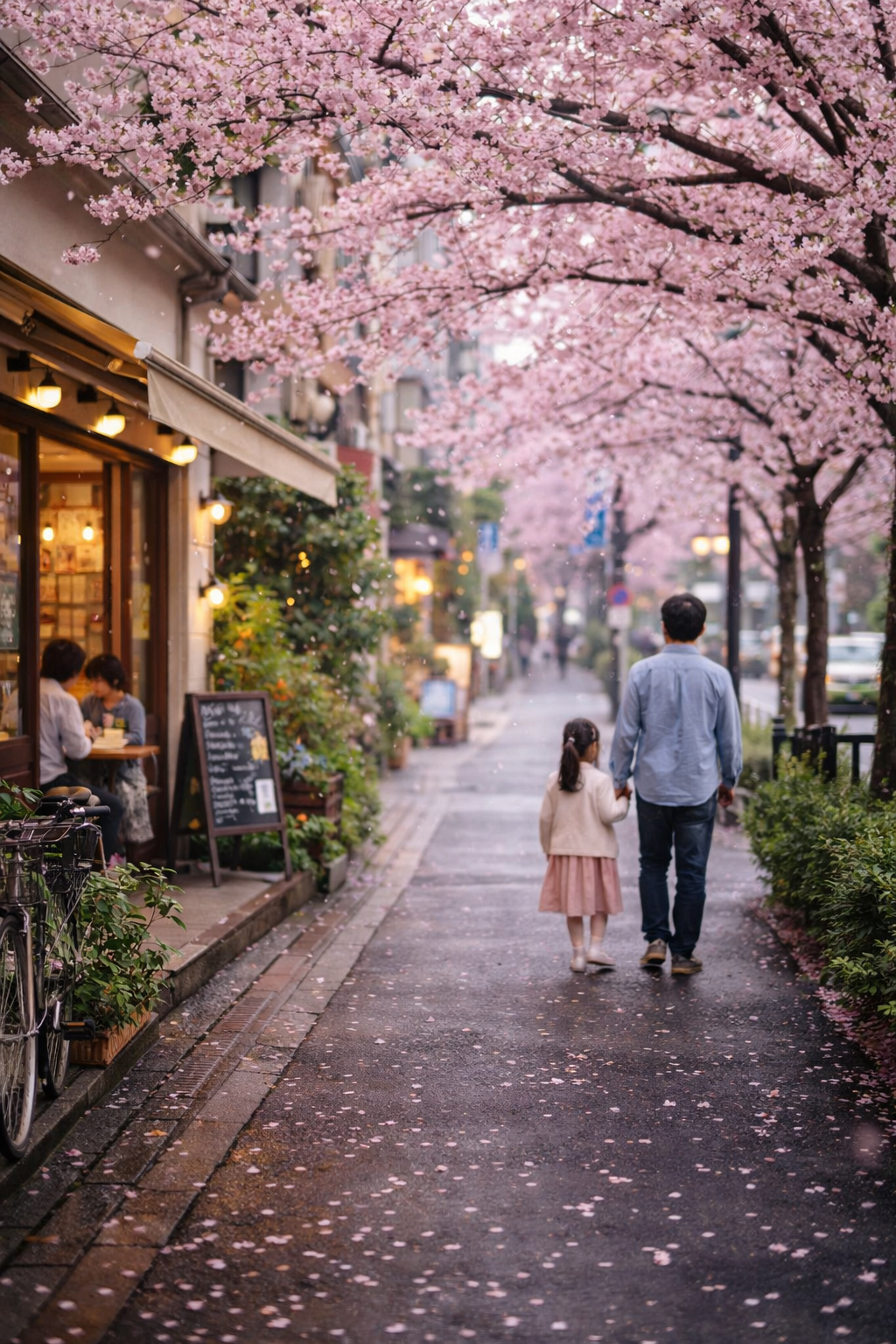
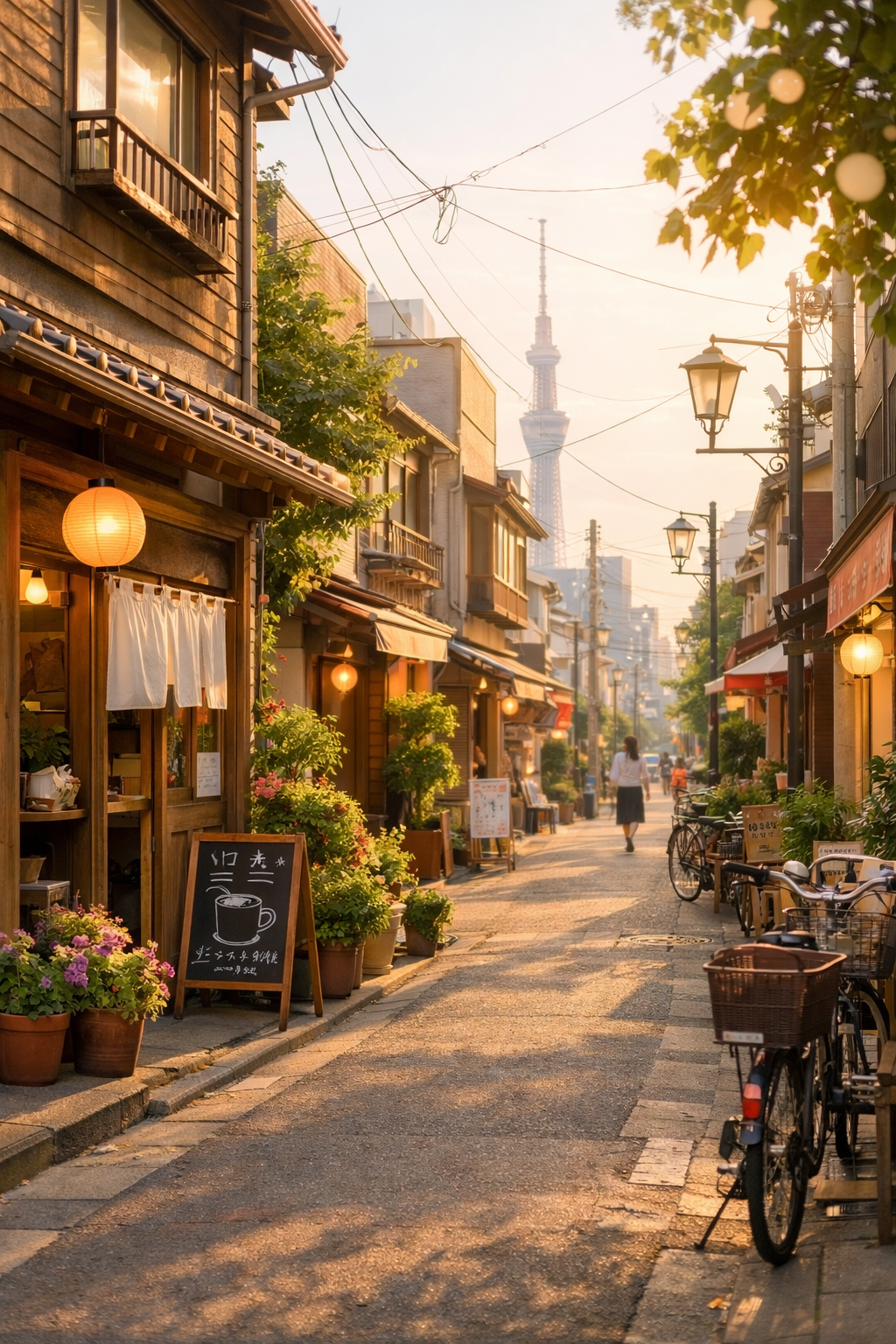
A soft and stylish Harajuku street mood
Feature mood style, youth energy, softness, spectacle, creativity, Tokyo identity, and the emotional politics of being seen
Best for readers who want to understand Harajuku as more than a tourist zone or shopping district — as a cultural signal with lasting emotional weight
A soft beginning

Harajuku is one of Tokyo’s great theaters of permission.

That may be the simplest way to begin. Harajuku has long mattered because it gave people permission. Permission to dress beyond function. permission to treat the body as surface and statement. permission to be cute in excessive ways, strange in deliberate ways, nostalgic in futuristic ways, and theatrical in a city that is otherwise often disciplined by subtlety.

It is easy to dismiss this as only fashion, but that would miss the deeper point. Clothing in Harajuku has often been a technology of emotional self-definition. It lets people say, before they speak, that they reject certain hierarchies, prefer fantasy to blandness, want tenderness in public, or simply refuse to become visually obedient.

This is why Harajuku continues to matter. Not because every outfit there is radical. Not because the area exists outside commerce. But because it remains one of the clearest spaces in Tokyo where style still carries ideological, emotional, and social meaning.

Chan-chan note
Harajuku is not only where people go to look different. It is where difference has historically been allowed to become visible, joyful, and contagious.
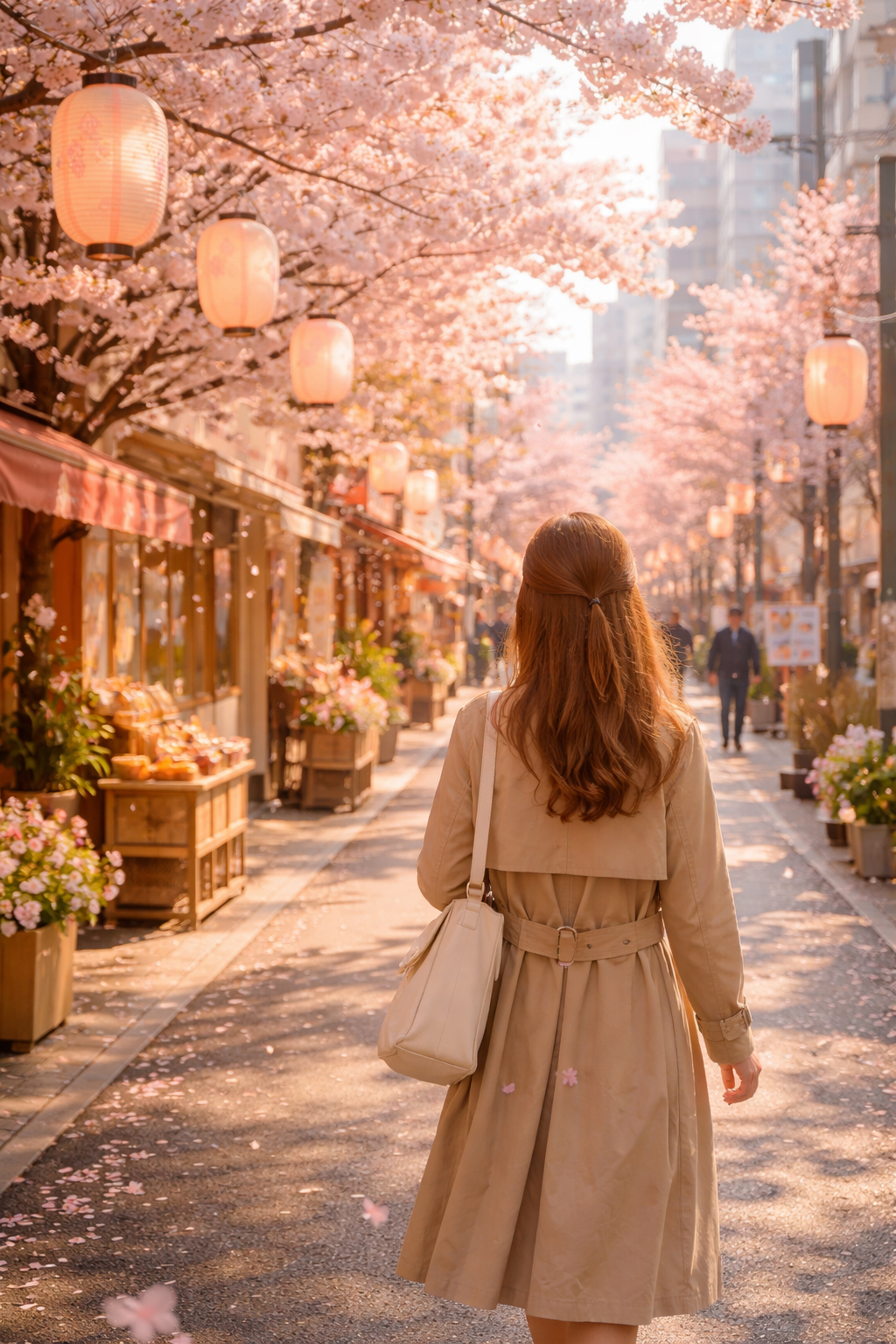
Harajuku and Tokyo street atmosphere with softness and style
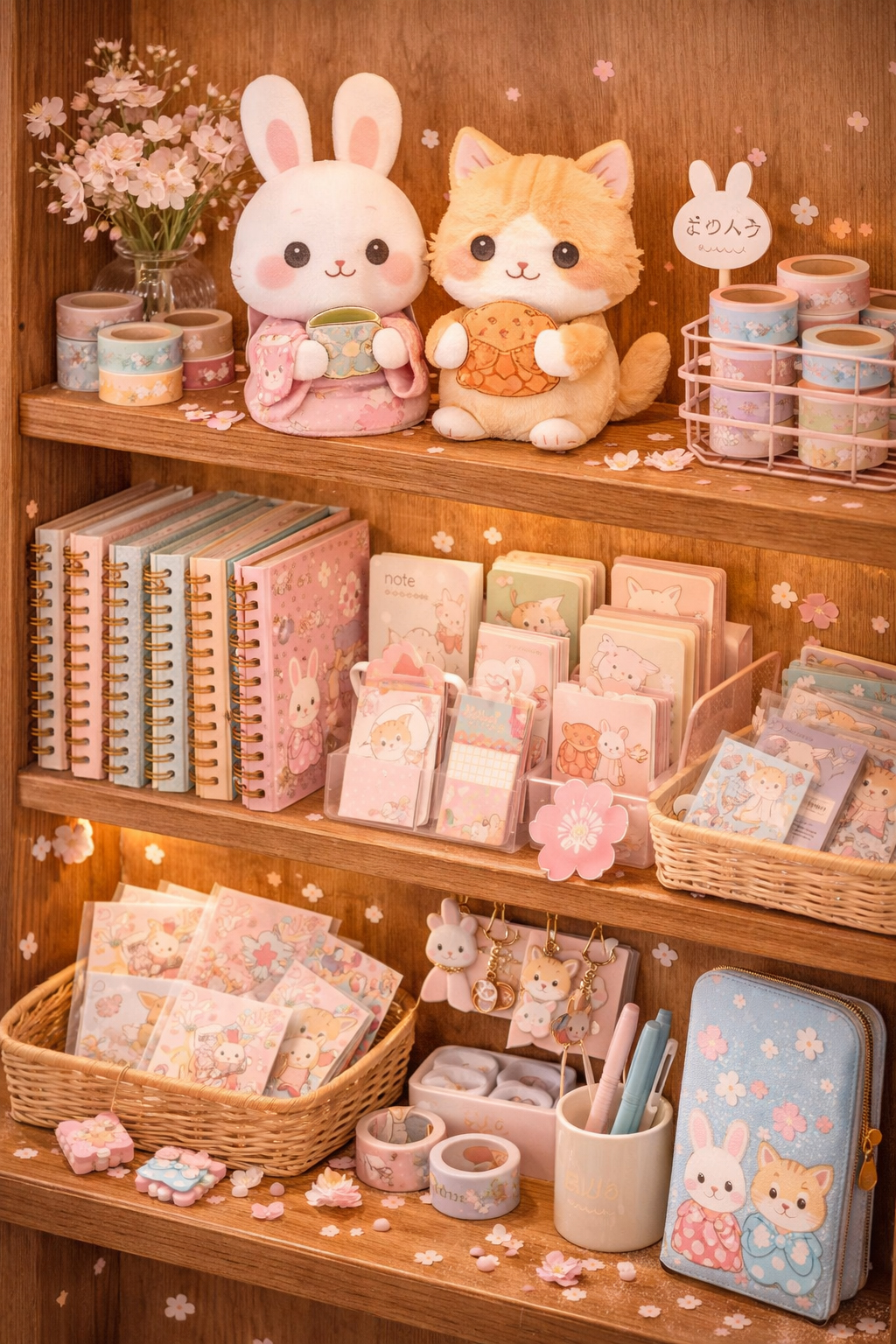
A cute Harajuku-style shop detail
Why it still matters

Harajuku remains important for reasons bigger than trend

Its significance is cultural, emotional, visual, and surprisingly durable.

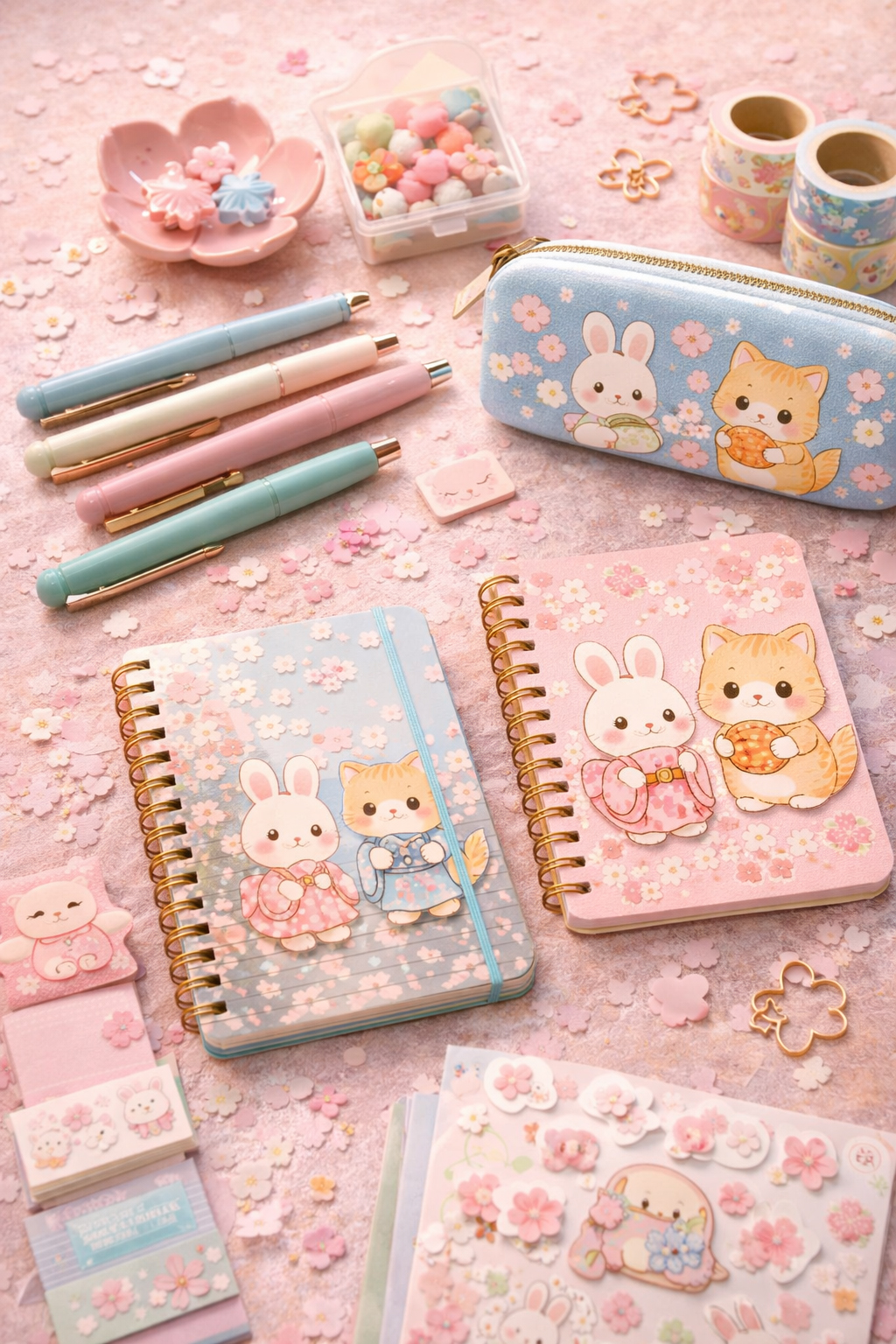
Colorful Harajuku-like visual culture mood
Style as language

Harajuku teaches that fashion can be a form of authorship

In many places, style is organized around aspiration or conformity: dress richer, dress cleaner, dress more adult, dress more correct. Harajuku has historically complicated that logic. It has made room for dressing stranger, sweeter, more referential, more layered, more character-like, more historical, more homemade, or more deliberately impossible.

That shift matters. It turns clothing from passive consumption into active authorship. A person is not only wearing items. They are building a sentence. Perhaps even a whole page.

The district’s importance lies partly in making this visible. Even people who do not dress in Harajuku style can inherit the freedom Harajuku helped normalize: the idea that clothing can narrate inner life rather than merely obey external expectation.
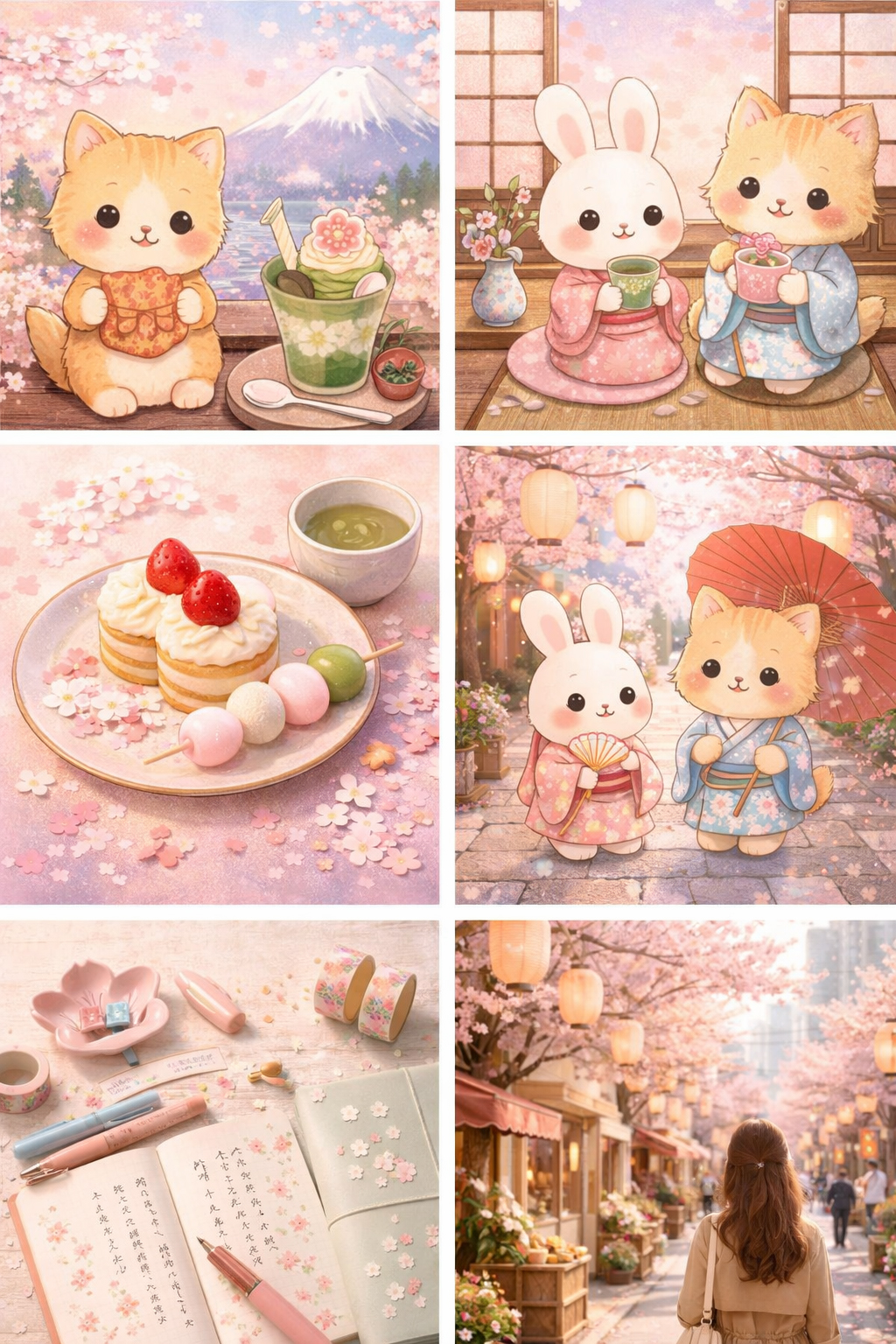
Kawaii lifestyle collage and Harajuku mood
The politics of softness

Harajuku made cuteness more complex than outsiders often realize

One of the easiest mistakes people make about Harajuku is assuming that cuteness is trivial. But Harajuku’s visual culture has long shown that softness can be strategic, expressive, protective, ironic, communal, or defiant.

Cuteness here is not only decorative. It can interrupt hardness. It can protect vulnerability by turning it into style. It can refuse adult seriousness on purpose. It can turn sweetness into armor.

This is one reason Harajuku still matters globally. It helped demonstrate that feminine-coded, youthful, playful, and soft aesthetics need not be politically empty. They can carry enormous emotional intelligence.

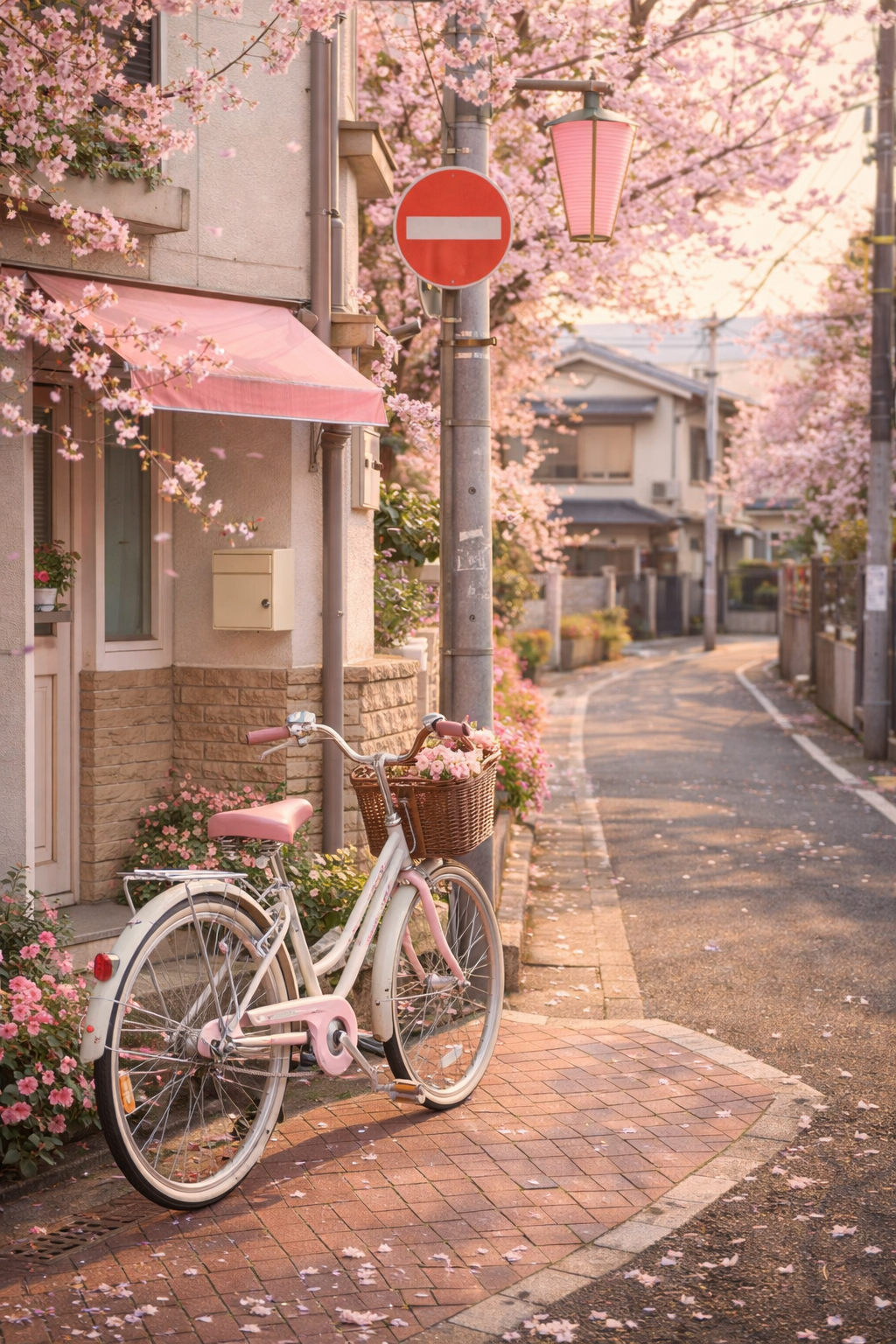
A quieter street near Harajuku backstreets
The district beyond stereotype

Harajuku is not only Takeshita Street

Another reason Harajuku still matters is that it has multiple emotional registers. There is the famous dense energy, yes — crowds, sugar, novelty, display. But there are also quieter backstreets, design shops, fashion labels, soft cafés, beauty spaces, and the gradual transition toward Omotesando’s polish.

This layered geography matters because it mirrors Harajuku’s deeper cultural truth. The district is not one aesthetic. It is a negotiation among many: youth excess, commercial fantasy, high fashion, softness, performance, nostalgia, irony, and the dream of self-invention.

People who think Harajuku is shallow often have only seen one slice of it. The district’s real meaning lives in its overlap zones.

A stylish Tokyo walk with fashion and youth culture mood
Youth visibility

Harajuku remains one of Tokyo’s clearest youth-facing stages

Tokyo contains many sophisticated adult pleasures, but Harajuku still holds a distinct relationship to youth — not only biological youth, but youth as a cultural force. Experimentation lives there. So does the right to begin.

Young people need stages. They need places where trying on selves in public can happen without immediate collapse into embarrassment. Harajuku has historically offered such a stage.

Even when trends move online faster than ever, physical districts still matter because bodies still need places to gather, compare, display, and witness each other. Harajuku continues to serve that need.

Retail fantasy and cute store atmosphere in Tokyo
Retail as fantasy architecture

Harajuku understands that shopping can be imaginative, not merely transactional

One reason Harajuku stays culturally alive is that it turns retail into world-building. Shops are not only inventory containers. They are atmospheres. They tell stories about who you might become if you enter, try on, purchase, and leave with the right object.

This is especially important in a city like Tokyo, where the line between shopping and cultural experience is often productively blurred. Harajuku is one of the places where this blur becomes most visible.

It matters because imagination still needs physical rooms. Screens can suggest style. Harajuku lets style become spatial.

Soft Harajuku street atmosphere in the afternoon
Global echo

Harajuku still matters because its influence escaped the district long ago

Harajuku has been exported, referenced, misunderstood, celebrated, simplified, copied, commodified, and reabsorbed countless times. That alone is evidence of significance.

Its visual vocabulary helped shape global conversations around street style, kawaii, youth fashion, layered identity, color, silhouette, and the legitimacy of dressing as imaginative practice. Even people far from Tokyo have inherited forms of permission traceable to Harajuku’s visibility.

When a place becomes a worldwide shorthand, people sometimes assume it has therefore become empty. But fame does not always erase meaning. Sometimes it proves that meaning was strong enough to travel.

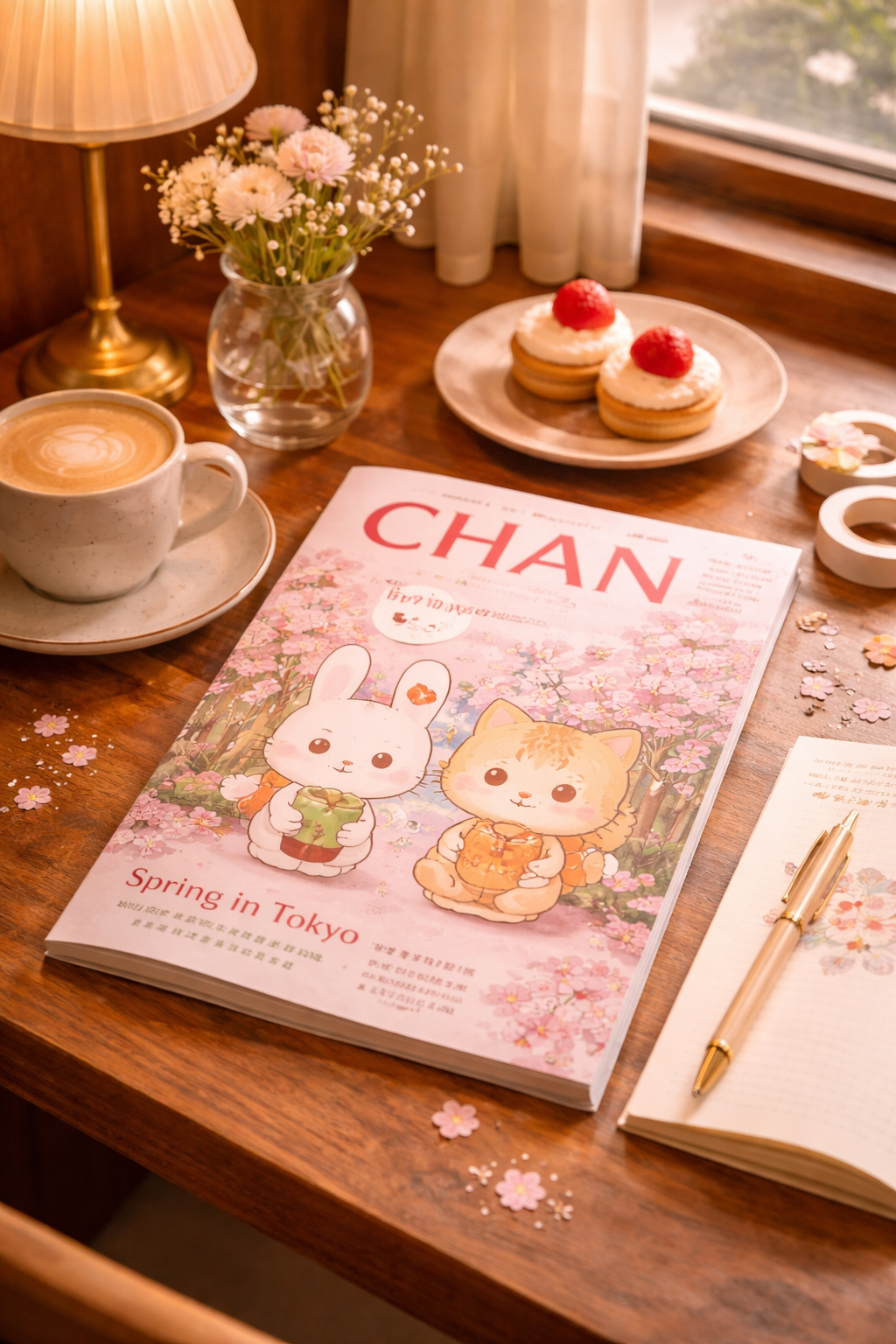
A thoughtful cultural mood with magazines and Tokyo style references
Memory and reinvention

Harajuku matters because it survives by changing while remaining recognizable

No district keeps cultural relevance by freezing itself. Harajuku has changed, and some of those changes are commercial, tourist-driven, or softened by broader market logic. But its continued importance lies in its ability to remain symbolically legible through those transformations.

It is still one of the places people look when they want to understand where Tokyo youth culture, style experimentation, softness, and expressive retail are going next — or how they are being metabolized into the mainstream.

Harajuku is important not because it stayed pure, but because it stayed generative.

A quiet stylish Harajuku cafe light scene
Emotional geography

Harajuku still gives people a place to feel visually alive

This may be the most human reason of all. Harajuku matters because some people feel more possible there. More visible. More allowed. More awake to their own taste.

Cities need such places. Not everybody will use them in the same way, and not every visit will be transformational. But it matters that a district exists where exaggeration, play, tenderness, style, and self-conscious beauty can coexist without needing to apologize for themselves.

A society’s imaginative freedom can often be measured by how many places it allows for people to look unnecessary in interesting ways. Harajuku has long been one of Tokyo’s answers to that need.

Harajuku still matters because it remains one of the places where Tokyo makes room for style not as decoration, but as emotional speech.

How to read Harajuku now

Three better ways to understand the district today

Not as a relic. Not as a joke. Not as only a sugar-coated tourist strip.

Colorful Tokyo style details
Read it as a vocabulary

Notice how many visual languages coexist

Harajuku is strongest when read as plural. Cute, polished, nostalgic, ironic, luxury, retro, street, soft, and theatrical all overlap there.

Tokyo side street and backstreet atmosphere
Read it beyond the obvious

Walk the backstreets, not only the headline strip

Harajuku becomes more legible when you move beyond its busiest artery and let the district reveal its quieter design intelligence.

A soft Harajuku afternoon mood
Read it emotionally

Ask what kinds of freedom the district still offers

The right question is not whether Harajuku is exactly what it once was. The better question is what kinds of permission, softness, display, and reinvention it still makes possible.

A quiet theory

Harajuku matters because cities need districts where imagination is allowed to dress itself.

Not every street needs to do this. Not every neighborhood should.

But a city without such places becomes emotionally narrower. Harajuku’s continuing value lies in the fact that it still keeps open a zone where performance, youth, softness, commerce, fantasy, and self-invention can meet in public.

That is not a frivolous function. It is one of the ways urban culture stays alive.

style and identity youth culture kawaii and softness Tokyo imagination
Visitor lesson

Do not visit Harajuku only to confirm stereotypes

Go looking for the district’s layers: the loud, the quiet, the playful, the polished, and the unresolved tensions between them.

Cultural lesson

Commercialization does not automatically erase meaning

Sometimes it complicates meaning. Harajuku remains interesting because it still negotiates between market forces and expressive freedom in visible ways.

Emotional lesson

Appearance can be a serious subject

Harajuku still matters partly because it reminds people that surface is not always shallow. Sometimes surface is where the inner life first becomes legible.

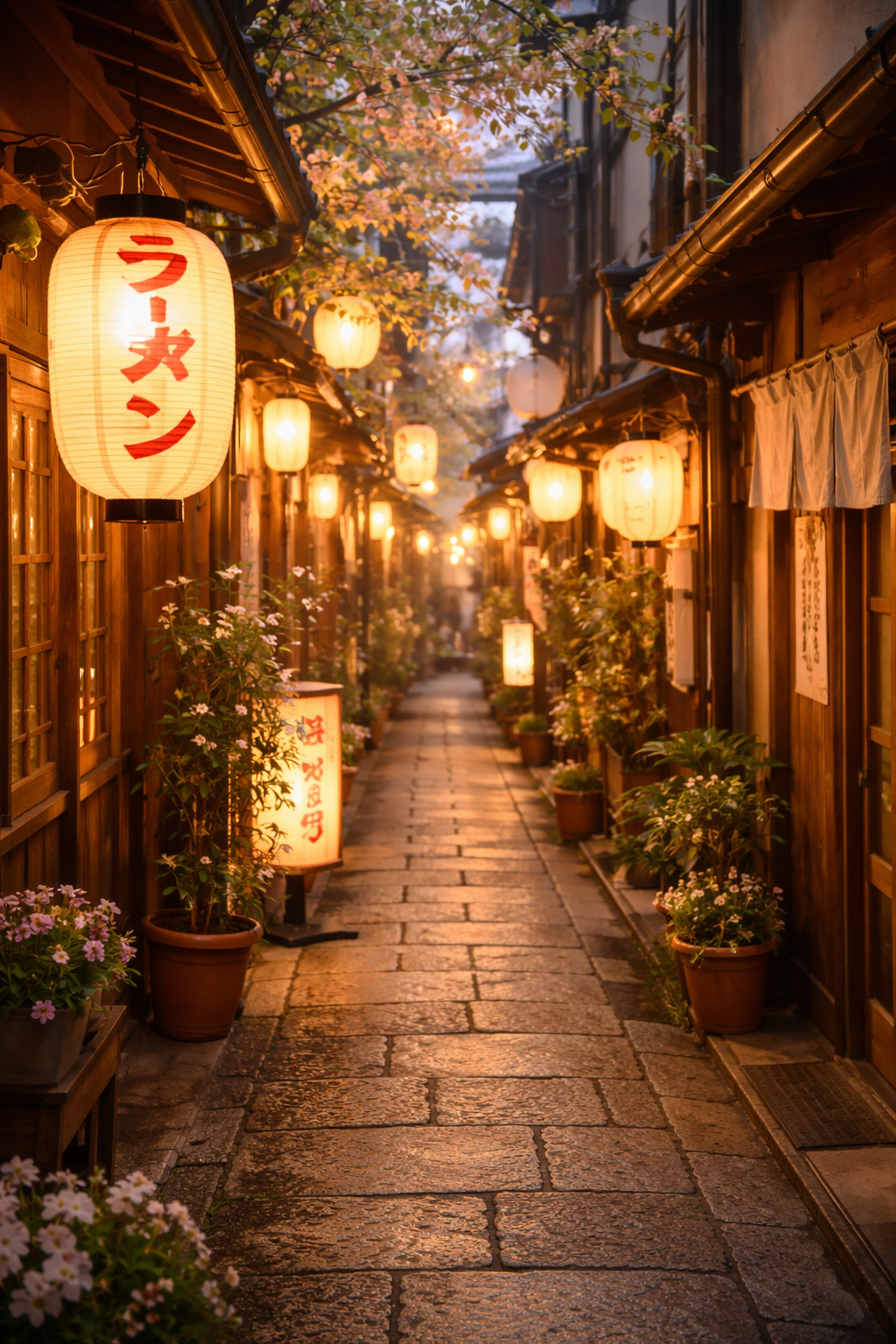
A soft stylish evening lane near Harajuku
Closing note

Harajuku still matters because it continues to insist, in public, that style can be playful, emotional, excessive, soft, strange, commercial, personal, and culturally meaningful all at once.

That insistence is not outdated. It is one of the reasons the district still feels alive. Cities need places that permit people to become visible in ways that exceed practicality. Harajuku remains one of Tokyo’s clearest answers to that need.